⏰ The Hidden Complexity of Clock Changes in Software Testing

🛠 Why It Matters & How to Tackle It
🔮 Why Clock Changes Matter in Software Testing
Time is at the heart of how software operates. A simple clock change—like moving from standard time to daylight saving time—can create unexpected issues. These changes impact scheduling systems, timestamp-sensitive data, and automation workflows.
🔍 Key Risks:
-
Misaligned timestamps
-
Data loss or duplication
-
Automation errors during the changeover
-
Potential failures in SDLC (Software Development Life Cycle) phases
Understanding this mechanical context can prevent costly failures in production environments.
🎯 How to Prepare for Clock Changes
To ensure your software remains robust during time changes, you’ll need a clear roadmap and reliable tactics.
🚀 Roadmap to Success
-
"PRESENT VALUE" Testing: Ensure your current systems can handle time transitions without failures.
-
"TOOLS & PROCESSES": Use automation tools that simulate clock changes and monitor behavior.
-
"LATEST ENVIRONMENT": Always test in an environment that mirrors your production system to spot potential issues early.
🛠 Recommended Tools:
-
🕵️♂️ Selenium & TestNG for automation
-
📊 Grafana for monitoring time-based metrics
-
🧪 Postman for API testing with time-specific scenarios
-
🛡️ License Management: Keep tools updated—many require an active license for features like time simulation.
🗺 What Steps to Take
💡 Step 1: Understand the SDLC Impact
Time-related changes affect all phases of SDLC—from development to deployment. Ensure developers, testers, and DevOps teams align their processes for seamless transitions.
💡 Step 2: Select the Right Tools
Invest in tools with time simulation capabilities. The upfront cost may seem high, but the long-term savings in avoiding outages and errors is invaluable.
💡 Step 3: Continuous Testing & Monitoring
Set up automated tests for every clock change event and monitor your logs for anomalies. Early detection can save hours of troubleshooting.
📸 Screenshot Pause for Visuals
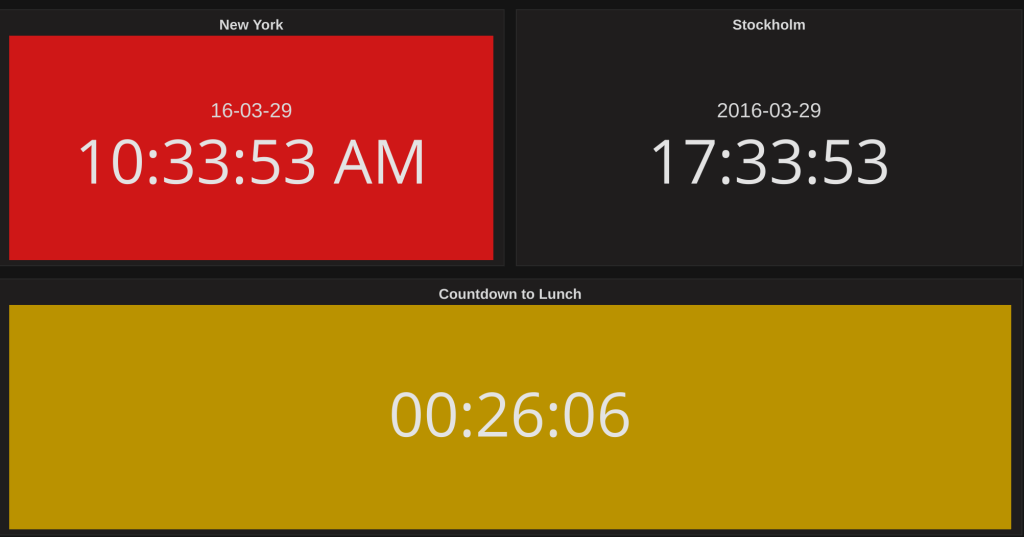
Here’s a practical example of how a time-based test is executed using Selenium and monitored in Grafana:
🌐 References
🔗 Connect with Me:
💡 This document was prepared with the assistance of ChatGPT’s content creation model on February 11, 2025.
Imported from rifaterdemsahin.com · 2026