Online Word vs MS Word and Powerpoint Limitations for Research
Pageless is there !
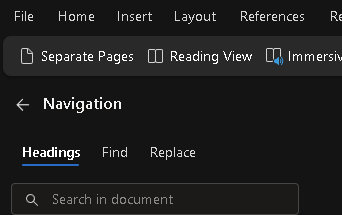
When comparing Microsoft Word Online (and by extension, Office Online) with Google Docs, both platforms offer robust online document creation and editing capabilities, but each has its own strengths and weaknesses. Here's a detailed comparison across various categories:
1. Interface and User Experience**:
-
Word Online:
-
Familiar Interface: The interface closely mirrors the desktop version of Word, which can be advantageous for users familiar with Microsoft Office products.
-
Traditional Ribbon: Features the classic Office ribbon, which can feel a bit cluttered for users who prefer a minimalist approach.
-
Complexity: More buttons and options available, but might overwhelm users looking for simple functionality.
-
Google Docs:
-
Minimalist Design: The interface is clean, simple, and intuitive, making it easy for new users to navigate.
-
Simplicity: Fewer buttons and tools make it faster to access commonly used features, though it might take longer to find more advanced options.
-
Consistency: Consistent design across Google Workspace tools, making it easy for users to switch between them.
2. Document Editing and Formatting**:
-
Word Online:
-
Advanced Formatting: Better support for complex formatting, including custom margins, advanced table options, and more precise text formatting tools.
-
Styles and Templates: A wide range of built-in styles and templates, though some advanced features from the desktop version are missing.
-
Document Layout: Superior tools for document layout (e.g., multiple columns, advanced page settings).
-
Google Docs:
-
Basic Formatting: Provides essential formatting tools, but lacks some of the advanced options available in Word Online.
-
Limited Styles: Fewer built-in styles and themes compared to Word.
-
Layout Tools: Less flexibility in terms of document layout and design, with simpler options for headers, footers, and page setup.
3. Collaboration**:
-
Word Online:
-
Real-Time Collaboration: Allows for real-time editing with others, though it can be slightly less smooth compared to Google Docs.
-
Track Changes and Comments: Supports track changes and comments, making it useful for more formal document review processes.
-
Office 365 Integration: Strong integration with other Office apps (Excel, PowerPoint) and OneDrive, making it ideal for users within the Microsoft ecosystem.
-
Google Docs:
-
Real-Time Collaboration: Arguably the gold standard for real-time collaboration, with smooth, near-instant updates and intuitive commenting.
-
Suggestion Mode: Similar to Track Changes in Word, but generally seen as more user-friendly.
-
Integration with Google Workspace: Seamless integration with other Google Workspace apps (Sheets, Slides, Drive), making it easy to switch between tools during collaboration.
4. Offline Access**:
-
Word Online:
-
No Offline Editing: Requires an internet connection for access and editing. However, files can be downloaded and edited offline using the desktop app.
-
Desktop Integration: Can easily switch to the desktop version of Word for offline work, with changes syncing back to the cloud once online.
-
Google Docs:
-
Offline Editing: Allows for offline editing through the Google Docs app (requires setup beforehand).
-
Automatic Syncing: Edits made offline are automatically synced when the internet connection is restored, making it very convenient.
5. File Compatibility**:
-
Word Online:
-
Native Office Formats: Best for working with .docx, .xlsx, .pptx files, with full compatibility for complex documents created in desktop Office apps.
-
Limited Support for Other Formats: Can open and convert Google Docs files, but with potential formatting issues.
-
Google Docs:
-
Google Formats: Works best with native Google formats (.gdoc), but can also open and edit .docx files with some limitations.
-
Conversion Issues: Converting between Google Docs and Word formats can sometimes lead to formatting discrepancies.
6. Integration and Ecosystem**:
-
Word Online:
-
Microsoft Ecosystem: Deep integration with Microsoft products like Outlook, OneDrive, Teams, and SharePoint, making it ideal for businesses using Microsoft 365.
-
Add-ins: Supports a range of third-party add-ins that can extend functionality, although the selection is smaller compared to the desktop version.
-
Google Docs:
-
Google Ecosystem: Seamless integration with Google Workspace apps (Drive, Gmail, Calendar), and third-party apps via Google Workspace Marketplace.
-
Extensions and Add-ons: Google Docs supports various add-ons, though they tend to be simpler compared to Microsoft’s add-ins.
7. Pricing and Accessibility**:
-
Word Online:
-
Free with Limitations: Available for free with a Microsoft account, but some advanced features are only available with a Microsoft 365 subscription.
-
Microsoft 365: Subscription-based, which includes the full Office suite and additional cloud storage.
-
Google Docs:
-
Free: Completely free to use for personal use with a Google account, with no paywalled features.
-
Google Workspace: Subscription available for businesses, offering additional features, storage, and admin tools.
8. Security and Privacy**:
-
Word Online:
-
Enterprise-Level Security: Microsoft 365 offers strong security features, including encryption, advanced threat protection, and compliance certifications.
-
Granular Permissions: Provides detailed sharing and permission settings, especially within corporate environments.
-
Google Docs:
-
Google Security: Google Workspace offers robust security features, including encryption, two-factor authentication, and comprehensive admin controls.
-
Data Privacy Concerns: Some users express concerns over Google’s data collection practices, though Google maintains it does not use Workspace data for advertising purposes.
Conclusion:
-
Choose Microsoft Word Online if you need advanced formatting options, strong integration with the Microsoft ecosystem, or if you’re working with complex documents that require precise layout and formatting.
-
Choose Google Docs if you prioritize seamless collaboration, offline editing, and simplicity, or if you’re already embedded in the Google ecosystem. Google Docs is also a strong choice for those who prefer a free, easy-to-use platform with a focus on collaboration.
When comparing Microsoft Word Online and Google Docs in terms of capacity, we focus on how each platform handles document size, the number of collaborators, storage, and overall performance. Here's how they stack up against each other:
1. Document Size and Complexity:
-
Microsoft Word Online:
-
Document Size: Word Online can handle documents up to 50 MB in size, which typically allows for a substantial amount of text, images, and other media. However, very large documents with complex formatting, embedded objects, or extensive use of images can slow down performance.
-
Complexity: Word Online supports complex document structures, including advanced tables, multi-column layouts, footnotes, endnotes, and more. However, some advanced features found in the desktop version (like certain styles, SmartArt, or advanced formatting) might not be fully supported or could be limited in functionality.
-
Google Docs:
-
Document Size: Google Docs supports documents up to 1.02 million characters, which roughly translates to about 1,000 pages of text (depending on formatting). There’s no hard limit on file size in terms of megabytes, but performance can degrade as the document becomes more complex or contains a large number of images and other media.
-
Complexity: Google Docs can handle moderately complex documents, but it’s less equipped to manage highly complex layouts or documents with a large number of images, tables, or extensive formatting. Performance might slow down significantly for very large or complex files.
2. Number of Collaborators:
-
Microsoft Word Online:
-
Collaborators: Word Online supports real-time collaboration with up to 100 people in a document simultaneously. While this is sufficient for most use cases, the performance can be affected as the number of active users increases, particularly if the document is large or complex.
-
Real-Time Editing: Collaborators can edit and comment in real-time, but the experience might not be as smooth as Google Docs, especially with many simultaneous editors.
-
Google Docs:
-
Collaborators: Google Docs is well-known for its capacity to handle large numbers of collaborators, supporting up to 100 simultaneous editors without significant performance issues. Some sources suggest even higher numbers, though this can depend on the document's size and complexity.
-
Real-Time Editing: Google Docs offers a very smooth real-time collaboration experience, even with many users editing at once. Changes appear almost instantly for all users.
3. Storage and File Management:
-
Microsoft Word Online:
-
Storage: Files created in Word Online are stored in OneDrive, with storage limits depending on your Microsoft 365 plan. The free version offers 5 GB of storage, while paid plans can offer up to 1 TB or more per user.
-
File Management: Word Online integrates well with OneDrive, SharePoint, and Teams, allowing for easy document management and sharing within the Microsoft ecosystem. However, managing a large number of documents might require organizing them carefully in folders due to OneDrive's interface.
-
Google Docs:
-
Storage: Google Docs stores documents in Google Drive. The free plan offers 15 GB of storage shared across all Google services (Gmail, Drive, Photos). Paid Google Workspace plans offer 30 GB to unlimited storage, depending on the plan.
-
File Management: Google Drive offers strong file management capabilities, with easy sharing and organization features. Google’s search and organization tools are generally considered superior, especially when handling a large volume of documents.
4. Performance with Large Documents:
-
Microsoft Word Online:
-
Performance: Word Online performs well for most small to moderately sized documents but can struggle with very large files, especially those with complex formatting, embedded images, or numerous revisions. The performance is generally adequate but might lag in comparison to Google Docs when handling very large documents or multiple simultaneous users.
-
Google Docs:
-
Performance: Google Docs is optimized for speed and tends to handle large documents better in terms of maintaining a smooth user experience. However, it’s still subject to performance issues when dealing with extremely large or complex documents, especially with many images or advanced formatting.
Conclusion:
-
Capacity and Performance:
-
Microsoft Word Online is better suited for users who need to work with more complex and professionally formatted documents. It handles larger files in terms of size (MB) but may struggle with performance if the document is highly complex or has many collaborators.
-
Google Docs excels in handling large-scale collaboration and performs better with documents that have many editors or are being worked on simultaneously. It may not handle highly complex documents as well as Word Online but provides a more fluid experience for documents within its character limit.
-
Storage:
-
Google Docs offers more free storage and more flexible options in the paid tiers compared to Microsoft Word Online’s reliance on OneDrive. However, both platforms offer sufficient storage for typical user needs.
In summary, if your priority is handling highly complex documents with advanced formatting and features, Microsoft Word Online may be the better choice. For superior performance in collaborative settings and simplicity in handling documents, Google Docs is likely the preferred option.
If there is 50 megabyte limit that is a no go zone in research !
2 GB on powerpoint online makes more sense and it is easier to sort it out!
When discussing the capacity limitations of PowerPoint Online (part of Microsoft 365), we're primarily focusing on aspects like file size, the number of slides, performance with large presentations, and collaboration capacity. Here’s a detailed breakdown:
1. File Size Limitations:
-
Maximum File Size:
-
PowerPoint Online supports presentations up to 2 GB in size when stored in OneDrive or SharePoint. However, practical performance issues often arise long before reaching this limit, especially if the presentation contains large amounts of multimedia content (videos, high-resolution images, etc.).
-
Performance Degradation: As file size increases, users may experience slower load times, lag when editing, and occasional issues with syncing changes.
2. Number of Slides:
-
Slide Limit:
-
While there is no official hard limit on the number of slides you can have in a PowerPoint Online presentation, performance tends to degrade with a very high slide count, especially if each slide contains complex content (like embedded videos, animations, or high-res images).
-
Performance Considerations: For best performance, it’s recommended to keep presentations to a reasonable length (typically under 200 slides). Larger presentations may result in slow load times, difficulty navigating between slides, and potential crashes.
3. Collaboration and Co-Authoring:
-
Number of Collaborators:
-
PowerPoint Online supports real-time collaboration with up to 100 simultaneous editors. However, the performance can start to degrade as the number of active editors increases, especially if they are making frequent changes or if the document is complex.
-
Syncing Issues: With many collaborators, you might encounter occasional syncing delays or conflicts when multiple people edit the same element or slide.
4. Media and Embedded Content:
-
Embedded Media:
-
PowerPoint Online can handle embedded media, but large or numerous video files can significantly increase the overall file size and affect performance.
-
Video and Audio Limitations: While videos up to several hundred megabytes can be embedded, too many large videos can slow down the presentation's performance both in editing and during playback.
5. Performance with Large Presentations:
-
Handling Large Files:
-
As the presentation size increases, users may experience slower response times when editing, saving, or navigating through the slides. This is particularly noticeable with presentations that include a lot of high-resolution images, videos, or complex animations.
-
Real-Time Editing: Large or complex presentations might sync more slowly, leading to delays when multiple users are editing in real time.
6. Storage and File Management:
-
OneDrive/SharePoint Storage:
-
PowerPoint Online presentations are stored in OneDrive or SharePoint, and the storage limit depends on your Microsoft 365 plan. While the individual file size limit for PowerPoint Online is 2 GB, the overall storage capacity can be as large as 1 TB or more per user, depending on your plan.
-
Practical Limits: Even though storage may allow for large files, practical usage (performance) tends to limit how large an individual presentation can be before it becomes unwieldy.
7. Complex Animations and Interactions:
-
Performance with Animations:
-
PowerPoint Online can handle basic animations and transitions well, but performance can slow down significantly if the presentation contains a large number of complex animations or interactive elements.
-
Limitations in Editing Animations: Editing or previewing animations in large or complex presentations may be slower and less responsive than in the desktop version.
8. Offline Access:
-
No Offline Editing:
-
PowerPoint Online requires an active internet connection for access and editing. Unlike the desktop version, you cannot work offline, which can be a limitation for users who need to work on large presentations without consistent internet access.
Conclusion
PowerPoint Online is a capable tool for most typical presentations, but it has some limitations in handling very large or complex files, both in terms of performance and collaborative capacity. For users working with extensive presentations, rich media content, or requiring a high number of collaborators, these limitations could become significant. In such cases, the desktop version of PowerPoint, which does not have these constraints and can handle larger, more complex presentations more effectively, would be a better choice.
ps: THE POWERPOINT FIND WORKS WELL ENOUGH IN THE MICROSOFT VERSION COMPARED TO THE CANVA SLIDES.
Imported from rifaterdemsahin.com · 2025