The Role of Abstraction in Cognitive Development
Abstraction is a fundamental cognitive process that allows individuals to distill complex information into generalized concepts, facilitating higher-order reasoning and problem-solving. In the realm of consciousness studies, abstraction plays a pivotal role in shaping our understanding of reality and our interactions within it.
The Role of Abstraction in Cognitive Development
From early childhood, humans develop the ability to abstract, moving from concrete experiences to more generalized ideas. Jean Piaget's theory of cognitive development outlines stages where children progress from tangible interactions to abstract thinking, particularly evident in the formal operational stage, typically beginning around age 11. During this phase, individuals develop the capacity for hypothetical reasoning and abstract thought, enabling them to process complex concepts beyond immediate experiences.
Abstraction and the Construction of Meaning
Abstraction is integral to how we construct meaning from our experiences. By identifying patterns and underlying principles, we create mental models that guide our understanding of the world. This process allows for the development of categories and concepts that simplify the vast array of stimuli we encounter, making it possible to navigate complex environments efficiently.
Abstraction in Consciousness Studies
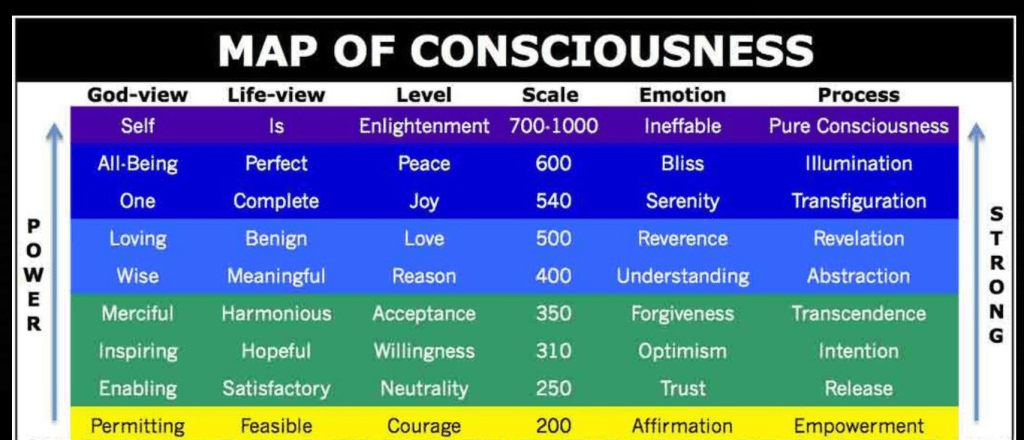
In consciousness studies, abstraction is examined to understand how the mind represents and processes information. The "maps of consciousness" metaphor illustrates how individuals create internal representations of reality, guiding perception and behavior. These mental maps are abstractions that help us predict outcomes, make decisions, and understand our place in the world.
Implications for Artificial Intelligence
Insights from abstraction psychology are informing the development of artificial intelligence systems capable of human-like reasoning and problem-solving. By modeling AI on human abstraction processes, developers aim to create machines that can understand context, infer meaning, and adapt to novel situations, moving beyond rigid programming to more flexible, intelligent behavior.
Conclusion
Abstraction is a cornerstone of human cognition, underpinning our ability to reason, learn, and adapt. In consciousness studies, it offers a lens through which we can explore the complexities of the mind and its representations of reality. Understanding abstraction not only illuminates human thought processes but also guides the development of technologies that emulate intelligent behavior.
Imported from rifaterdemsahin.com · 2025