FreemiumModel (Trust Cycle)
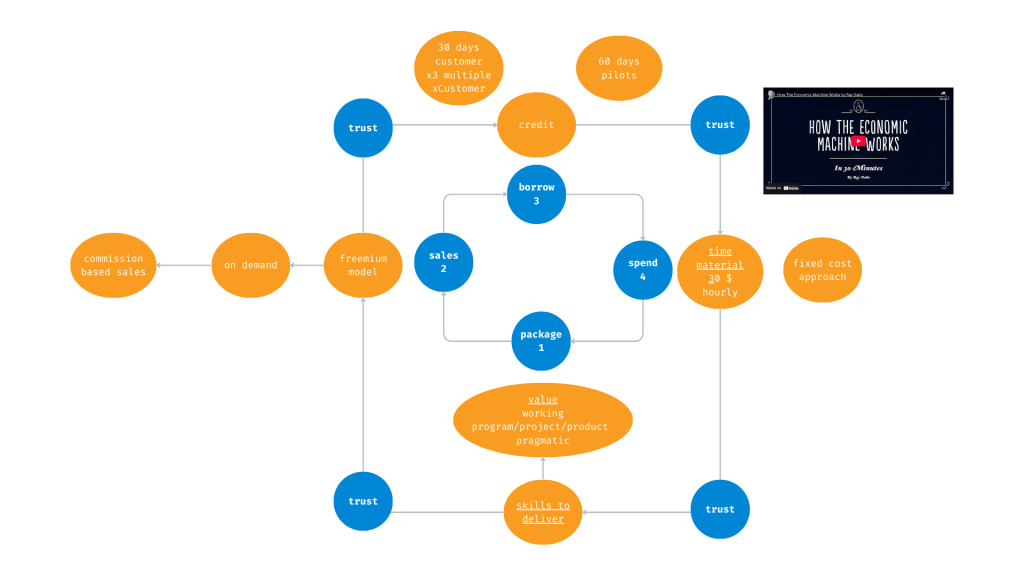
In today's dynamic business landscape, selecting the appropriate business model is crucial for success. One model that has gained significant traction, particularly in the digital realm, is the freemium model. This approach offers a basic version of a product or service for free, with the option for users to upgrade to a premium version that provides additional features or benefits.
Understanding the Freemium Model
The term "freemium" is a blend of "free" and "premium." It allows users to access fundamental features at no cost, thereby lowering the barrier to entry and attracting a broad user base. Revenue is generated when a portion of these users opt for the premium version, which offers enhanced functionalities.
Advantages of the Freemium Model
-
User Acquisition: By providing free access, companies can rapidly expand their user base, increasing brand awareness and market penetration. citeturn0search3
-
Customer Feedback: A larger user base offers valuable insights into user behavior and preferences, aiding in product development and improvement. citeturn0search9
-
Upselling Opportunities: The free version serves as a marketing tool, showcasing the product's value and encouraging users to upgrade for a more comprehensive experience.
Challenges of the Freemium Model
-
Conversion Rates: A significant challenge is converting free users to paying customers. Companies must find the right balance between free and premium offerings to incentivize upgrades.
-
Revenue Generation: Relying heavily on a small percentage of paying users can be risky, especially if the free user base doesn't convert as anticipated.
-
Resource Allocation: Supporting a large number of free users requires substantial resources, which can strain company infrastructure if not managed effectively.
Notable Examples of the Freemium Model
-
Spotify: Offers free users access to its music library with ads and limitations, while premium subscribers enjoy ad-free listening, offline access, and higher audio quality.
-
Dropbox: Provides free users with limited storage space, encouraging them to upgrade for additional capacity and advanced features.
-
LinkedIn: Allows users to create profiles and connect for free, with premium tiers offering advanced networking tools and insights. citeturn0search5
Best Practices for Implementing the Freemium Model
-
Define Clear Value Propositions: Ensure that both free and premium versions offer distinct and compelling benefits to cater to different user needs.
-
Monitor and Analyze User Behavior: Regularly assess how users interact with your product to identify opportunities for enhancement and to tailor premium offerings effectively.
-
Balance Free and Premium Features: Offer enough value in the free version to attract users while reserving exclusive features that justify the premium price.
In conclusion, the freemium model can be a powerful strategy for businesses aiming to build a substantial user base and drive revenue through premium offerings. However, it requires careful planning and execution to address its inherent challenges and to convert free users into loyal, paying customers.
Imported from rifaterdemsahin.com · 2025