Managing Monthly Expenses on a Limited Budget: A Practical Guide
Living on a limited budget requires careful planning and diligent tracking of every expense. Whether you’re saving for a long-term goal or managing unexpected financial constraints, understanding where your money goes can be the key to success. This guide will help you manage your finances effectively by offering simple strategies and tools to track your expenses, prioritize essential spending, and plan ahead for the future.
1. Track Every Expense
To get a clear picture of where your money is going, it’s crucial to track all of your expenses—both big and small. Start by categorizing your spending into essentials (such as rent, bills, groceries) and non-essentials (entertainment, subscriptions).
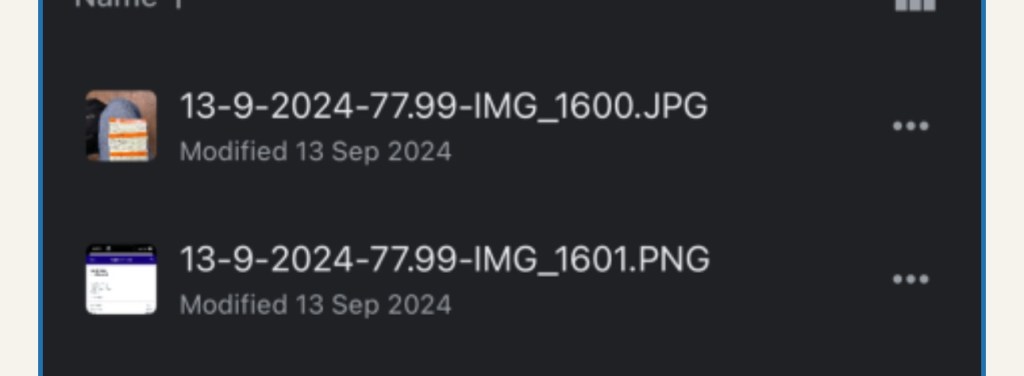
Take advantage of expense-tracking apps, spreadsheets, or even traditional methods like pen and paper. The important thing is consistency. As seen in the captured example, noting down even the smallest purchases (like the £77.99 in the files) can make a big difference when it comes to budgeting.
2. Prioritize Your Spending
Once you have a list of your expenses, prioritize them. Focus on essentials like rent, utilities, groceries, and transport. These are non-negotiable. For the rest, figure out what can be reduced or eliminated. Ask yourself:
-
Can I cut down on dining out?
-
Are there cheaper alternatives for my subscriptions or utilities?
3. Create a Budget Based on Income
The next step is to create a budget based on your monthly income. In your case, if you're working with £1,500 for the next two months, make sure you allocate this amount wisely by following the 50/30/20 rule: 50% for needs, 30% for wants, and 20% for savings or debt repayment.
4. Plan for Savings and Emergency Funds
Even on a limited budget, it’s important to save for emergencies. Build a small emergency fund to cover unexpected expenses, like a medical bill or an appliance breaking down. Start by setting aside even a small amount each month—£10 or £20 can add up over time.
5. Review and Adjust Regularly
Your financial situation may change, so review your expenses and budget at least once a month. Use the data you’ve gathered from tracking expenses to adjust where necessary and to plan better for the next month. If you’re consistently over budget, reevaluate your non-essential spending or look for areas to cut back.
Conclusion
Managing a limited budget doesn’t have to be overwhelming. By carefully tracking your expenses, prioritizing your spending, and setting aside money for emergencies, you can maintain financial control and work towards your long-term goals. Whether it’s a one-off purchase of £77.99 or monthly essentials, knowing where your money is going helps you stay on top of your finances.
Imported from rifaterdemsahin.com · 2025