Skool’s Business Model: A Deep Dive
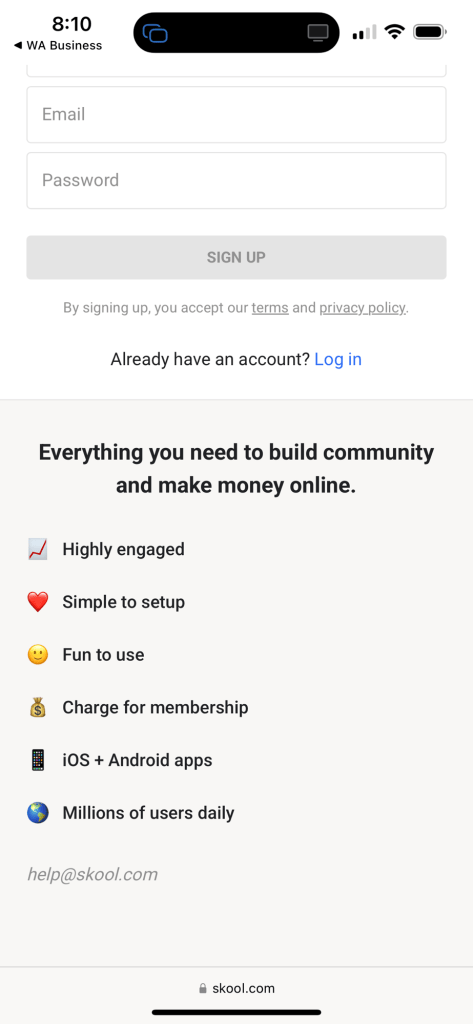
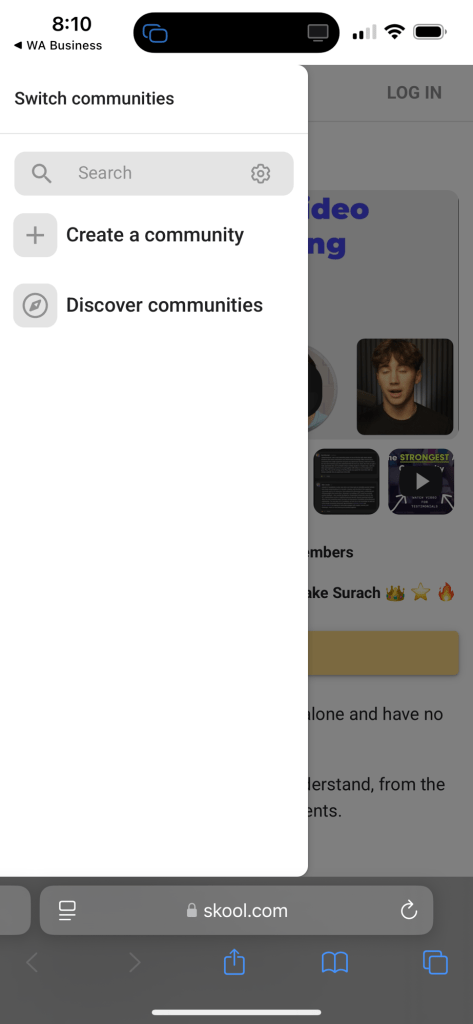

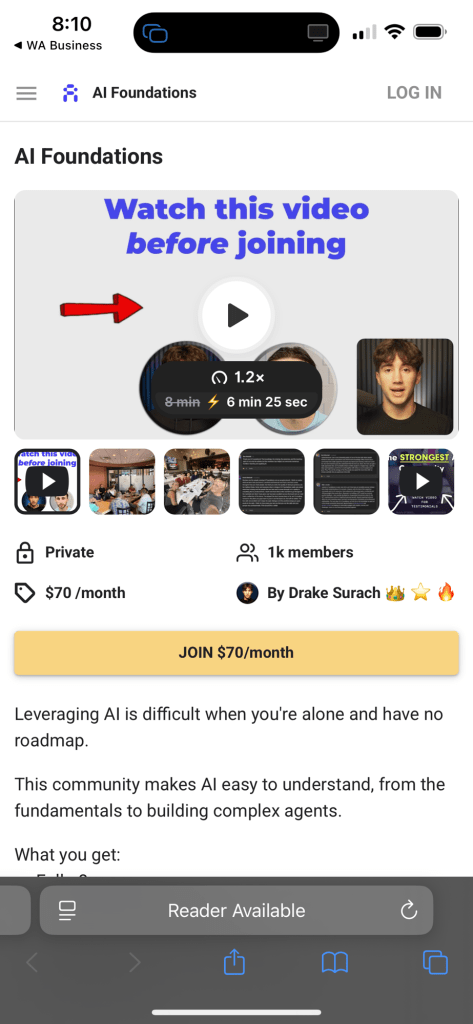
Skool is an all-in-one community, course, and membership platform that is gaining popularity among creators, educators, and entrepreneurs. It provides a simple yet powerful way to build and monetize communities without the complexity of traditional learning management systems. But how does Skool make money, and what makes its business model effective?
Understanding Skool’s Business Model
At its core, Skool operates on a subscription-based SaaS (Software as a Service) model. Users pay a monthly fee to access the platform’s features, which include community forums, courses, gamification tools, and integrations. Unlike many competitors that charge based on the number of users, Skool offers a flat pricing model, making it predictable for creators.
Key Revenue Streams
- Subscription Fees
Skool charges $99 per month per community. This fee allows community owners to host unlimited members, courses, and discussions without worrying about extra charges. This is different from platforms like Kajabi or Teachable, which often scale pricing based on user count.
- Marketplace Growth & Network Effects
Skool has a discovery feature where users can explore and join different communities. This not only helps creators attract new members but also increases retention on the platform. While Skool does not currently take a cut from transactions within communities, this could be a future monetization strategy.
- Affiliate Program
Skool incentivizes users to promote the platform with a 40% recurring commission for referrals. This referral-based growth strategy encourages word-of-mouth marketing, helping Skool acquire customers without heavy advertising spend.
- Enterprise & High-Ticket Clients (Potential)
While Skool primarily targets creators, coaches, and small businesses, there’s potential for enterprise solutions in the future. Custom features, integrations, or premium plans could become an additional revenue stream.
What Makes Skool’s Model Work?
- Simplicity & Predictable Pricing
Unlike competitors that charge per user, Skool’s flat rate makes it attractive for growing communities. This pricing model encourages large community engagement without financial stress.
- Built-In Community Engagement
Skool combines courses, discussions, and gamification into a single platform, increasing retention. Users stay engaged longer, leading to higher lifetime value (LTV) for Skool.
- Referral-Based Growth
By offering a 40% affiliate commission, Skool turns its users into marketers. This reduces customer acquisition costs (CAC) while driving organic growth.
- Low Overhead & High Scalability
As a SaaS business, Skool doesn’t rely on physical infrastructure or extensive customer support teams. This allows it to scale efficiently while maintaining profitability.
Challenges & Future Opportunities
• Competition: Platforms like Mighty Networks, Kajabi, and Circle offer similar features. Skool must continue to innovate to stay ahead.
• Feature Expansion: Advanced analytics, AI-driven engagement tools, and deeper integrations with third-party apps could help Skool attract more users.
• Marketplace Monetization: Skool could introduce premium listing options, transaction fees, or paid community promotion to diversify revenue.
Final Thoughts
Skool’s business model is designed for scalability and profitability. By offering a simple, all-in-one platform with a predictable pricing structure, it provides value to both community creators and members. As the creator economy grows, Skool is well-positioned to capitalize on the shift towards community-driven learning and membership businesses.
Would you consider using Skool for your community or business? Let’s discuss!
Imported from rifaterdemsahin.com · 2025