From DevOps to AI Solution Architect: My Journey and Plan
Transitioning from DevOps to an AI Solution Architect role is a significant shift. It’s not just about learning new technologies but also about evolving how I approach problems, design solutions, and deliver value. This blog post outlines my transition plan, the new structure I’m implementing, and how I’ll communicate this shift to everyone.
Why the Transition?
DevOps has given me a solid foundation in automation, infrastructure as code, and system reliability. But as AI continues to reshape industries, I see an opportunity to leverage my DevOps experience to build AI-driven solutions. This transition isn’t about abandoning DevOps—it’s about expanding my scope to architect AI systems that integrate seamlessly with existing infrastructure.
How I’ll Make the Shift
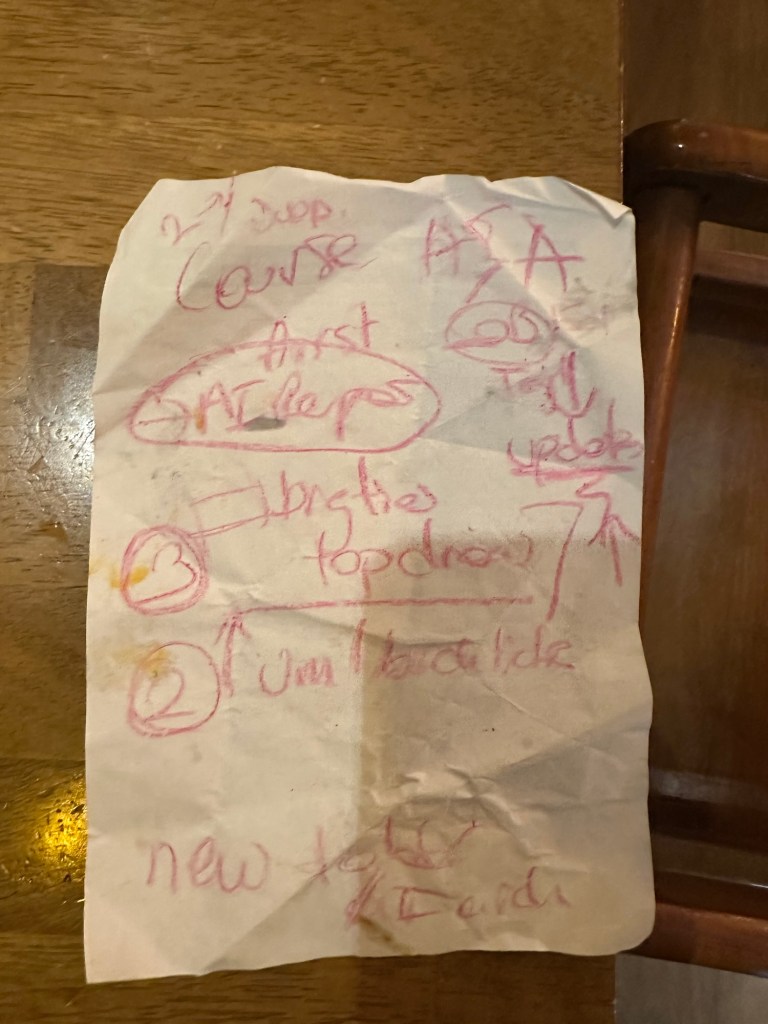
To successfully transition, I will restructure my workflow and delivery approach using agents and an updated delivery pilot structure.
- The Reel: Objectives and Key Results (OKRs)
The reel is the first and most visible part of this journey. It will define my objectives and key results (OKRs)—what I want to achieve and how I will measure progress. This will serve as both a roadmap and a way to hold myself accountable.
Example OKRs:
• Objective: Build a foundational AI architecture for automated infrastructure optimization.
• Key Result: Develop a proof of concept integrating AI-driven monitoring with DevOps pipelines.
• Key Result: Deploy a prototype AI model that predicts system failures with 90% accuracy.
• Objective: Establish an AI-first mindset in solution design.
• Key Result: Convert at least 3 existing DevOps workflows into AI-assisted workflows.
• Key Result: Train an AI agent to generate infrastructure code from high-level requirements.
- The Journey: Execution and Documentation
The journey is the second phase, where I document progress, challenges, and key learnings. This phase will be structured into an Architecture Folder, which will contain detailed blueprints, workflows, and insights on AI solution design.
The journey will cover:
• Learning and applying AI-driven automation in infrastructure management.
• Experimenting with AI-powered agents to enhance delivery efficiency.
• Evaluating different AI frameworks and tools for enterprise-scale solutions.
- Communicating the Shift
I need to make this transition clear to everyone in my network—colleagues, stakeholders, and my audience. Transparency will help align expectations and create opportunities for collaboration. I will:
• Publish updates via blog posts, LinkedIn, and internal communication channels.
• Share real-world use cases of AI in DevOps to show practical value.
• Engage with the community by discussing my experiences and learning from others making similar transitions.
Final Thoughts
This transition is more than just a career move—it’s a shift in mindset and methodology. By structuring my approach with the reel (OKRs), the journey (execution), and the architecture folder (documentation), I’ll ensure that my shift to an AI Solution Architect is both strategic and measurable.
If you’re considering a similar move, I’d love to hear your thoughts. What challenges do you foresee? What AI-driven solutions are you excited about? Let’s build the future together.
Imported from rifaterdemsahin.com · 2025