IBM’s Acquisition of Red Hat: A Strategic Move to Bridge the Gap Between OpenShift and Mainframes
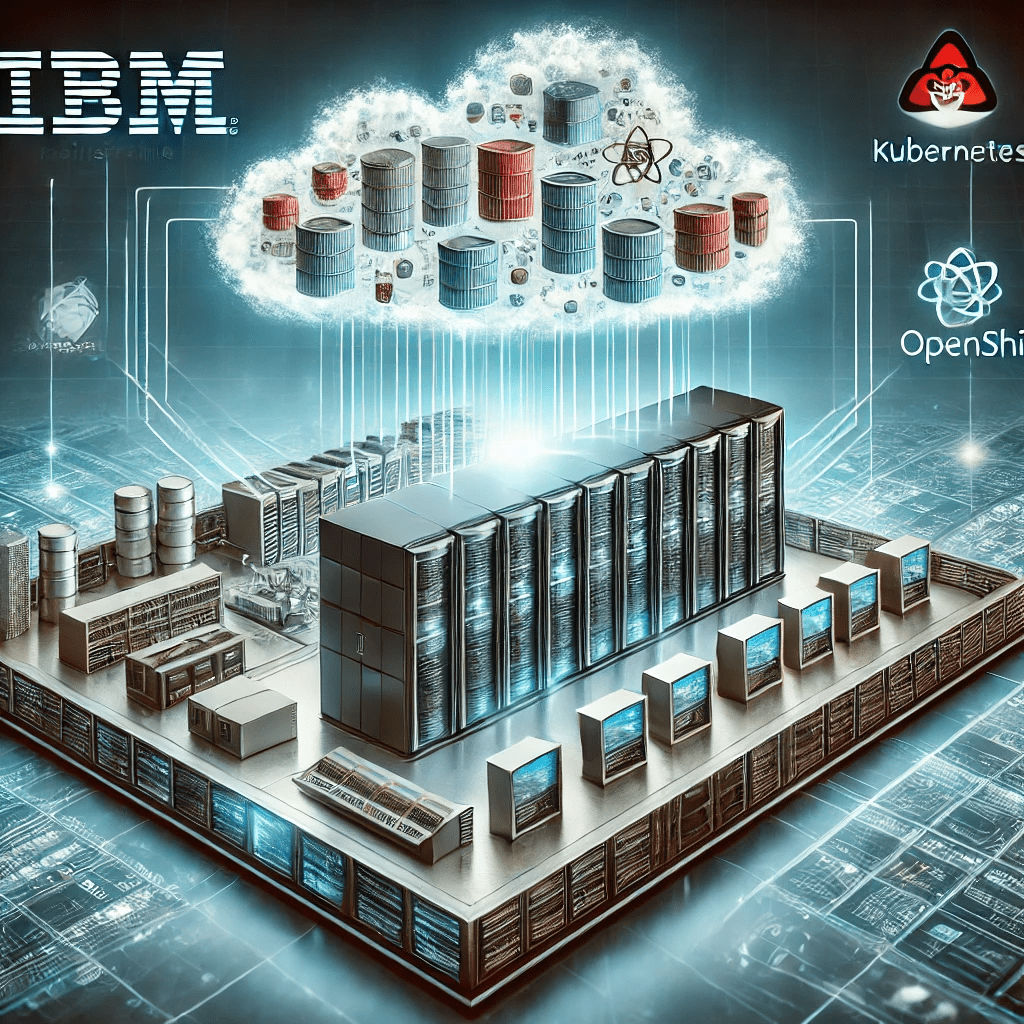
In July 2019, IBM completed its acquisition of Red Hat, a move that sent ripples across the tech industry. At $34 billion, it was the largest software acquisition ever made at the time, signifying IBM's commitment to the future of hybrid cloud and open-source technologies. But to fully understand why IBM made this monumental decision, it's essential to compare two pivotal technologies in their portfolio: OpenShift and mainframes.
The Evolution of Mainframes and OpenShift
Mainframes have long been the backbone of enterprise computing, particularly in industries where reliability, security, and performance are non-negotiable—such as banking, finance, and government. Mainframes are known for their unparalleled ability to process vast amounts of data with high-speed transactional capabilities and minimal downtime. IBM has been a dominant player in this space for decades, with its zSeries and other mainframe systems being the gold standard for mission-critical applications.
However, the advent of cloud computing has brought about a paradigm shift in how businesses deploy and manage their IT infrastructure. OpenShift, Red Hat's Kubernetes-based container platform, represents the modern approach to application development and deployment. It enables enterprises to build, deploy, and manage applications consistently across on-premises, public cloud, and hybrid environments. OpenShift’s strengths lie in its flexibility, scalability, and support for DevOps practices, making it an ideal platform for modern, cloud-native applications.
Bridging the Old and the New
The contrast between mainframes and OpenShift highlights a key challenge for enterprises: how to modernize legacy systems while leveraging the benefits of cloud computing. Mainframes are not going away—many organizations still rely on them for critical operations—but there is an increasing need to integrate these systems with modern applications and cloud services. This is where IBM’s acquisition of Red Hat makes strategic sense.
By acquiring Red Hat, IBM aimed to position itself as a leader in the hybrid cloud market, enabling clients to innovate while maintaining their legacy investments. OpenShift, with its robust support for containerization and Kubernetes, provides a bridge between traditional mainframe environments and the dynamic world of cloud computing. This synergy allows enterprises to modernize their applications gradually, moving workloads to the cloud at their own pace while still leveraging the security and reliability of mainframes.
Why IBM Acquired Red Hat: The Strategic Imperative
-
Leadership in Hybrid Cloud: IBM recognized that the future of enterprise IT lies in hybrid cloud environments, where businesses need to manage workloads across multiple cloud platforms and on-premises systems. Red Hat’s OpenShift is a leading platform in this space, and acquiring it allowed IBM to offer a comprehensive hybrid cloud solution that integrates seamlessly with its existing mainframe offerings.
-
Expanding Open Source Capabilities: Red Hat is a pioneer in the open-source community, and its technologies are widely adopted across industries. By bringing Red Hat into its fold, IBM gained access to a vast ecosystem of open-source tools and a developer community that is driving innovation in cloud computing, containers, and automation.
-
Strengthening Enterprise Offerings: IBM has always been strong in the enterprise market, particularly with its mainframe and middleware solutions. With Red Hat, IBM could enhance its enterprise portfolio with cutting-edge cloud-native technologies, offering customers a path to modernize their applications without abandoning their legacy systems.
-
Revenue Growth and Market Positioning: The acquisition was also a financial play. IBM aimed to boost its cloud revenue and reposition itself in the market as a leader in hybrid cloud. The integration of Red Hat’s technologies was expected to drive growth in IBM’s cloud and cognitive software business, which is critical as enterprises increasingly adopt cloud-first strategies.
Conclusion
IBM’s acquisition of Red Hat was a strategic move to bridge the gap between its traditional mainframe strengths and the emerging world of hybrid cloud computing. By combining the reliability and performance of mainframes with the flexibility and scalability of OpenShift, IBM is uniquely positioned to help enterprises navigate their digital transformation journeys. This acquisition not only solidified IBM’s leadership in the hybrid cloud space but also ensured that it remains relevant in a rapidly evolving technology landscape.
As businesses continue to balance the demands of legacy systems and modern applications, IBM’s integrated approach, powered by Red Hat’s open-source innovation, provides a compelling solution for the future of enterprise IT.
Imported from rifaterdemsahin.com · 2025