Managing Hypoglycemia: Why Eating Too Frequently Might Not Be Ideal 🌿
If you’ve been diagnosed with hypoglycemia, you already know that managing blood sugar levels is a daily commitment. But did you know that eating too many times a day can actually backfire? Let’s dive into why moderation in meals is essential, and what foods can help maintain stable blood sugar levels longer.
✨ The Science Behind Hypoglycemia
Hypoglycemia occurs when your blood sugar levels drop below normal. This can cause symptoms like shakiness, fatigue, confusion, and irritability. While frequent snacking might seem like the logical solution to prevent sugar dips, it can sometimes lead to spikes and crashes—creating a rollercoaster for your body. 🎉
🔧 Why Frequent Eating Isn’t Always the Best Idea
Eating multiple times throughout the day might:
-
Overwork your pancreas: Your pancreas has to produce insulin every time you eat. If you’re constantly snacking, it might lead to more significant sugar dips in the long run. 🔄
-
Cause sugar spikes: Frequent meals can make it harder for your body to stabilise blood sugar levels, especially if those meals aren’t carefully balanced.
-
Increase calorie intake: If you’re snacking too often, you may accidentally consume more calories than your body needs, leading to weight gain—which can also impact your blood sugar regulation. 🏋️
🌱 What You Should Eat Instead
Here’s how to build a diet that keeps your blood sugar steady:
☑️ High-Fibre Foods
-
Whole grains (oats, brown rice, quinoa)
-
Leafy greens (spinach, kale)
-
Beans and lentils
-
Fruits with low glycaemic indexes (apples, berries)
☑️ Healthy Fats
-
Avocados
-
Nuts (almonds, walnuts)
-
Seeds (chia, flax, pumpkin)
-
Olive oil
☑️ Lean Protein
-
Chicken breast
-
Fish (salmon, mackerel)
-
Tofu or tempeh
-
Eggs
☑️ Low-GI Snacks
-
Greek yoghurt with a handful of nuts 🍇
-
A boiled egg and some raw veggies 🥗
-
Cottage cheese with cucumber slices
🎥 Screenshot Moment: Blood Sugar Stabilising Meal Plan
Here’s an example of a balanced daily plan to stabilise blood sugar:
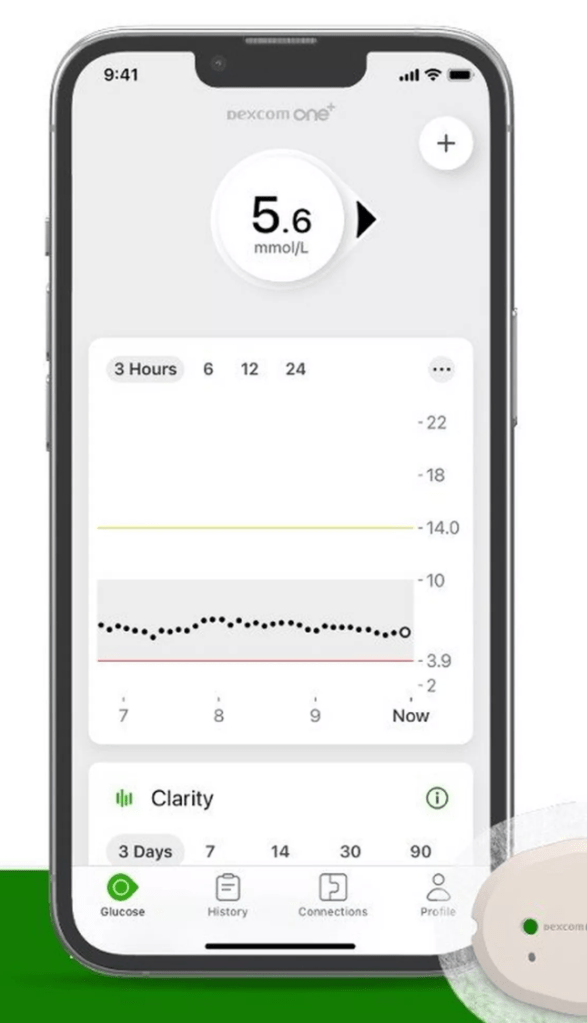
Check them with a glucose meter and than decide>
my case : breakfast >>> blood sugar too high >> so skipping some and doing social ones are ok!
MealExampleBreakfast ( skip )Scrambled eggs with spinach and a slice of whole-grain toast 🍅Mid-Morning ( skip )A small handful of almonds and an apple 🍏Lunch ( only for social events)Grilled chicken salad with olive oil and quinoa 🌱Afternoon ( main )Greek yoghurt with chia seeds 🌾Dinner ( only social )Baked salmon with roasted vegetables and brown rice 🍾
✅ Tips to Hold Sugar Longer
-
Eat balanced meals: Focus on combining protein, fat, and carbs in each meal. This slows digestion and keeps sugar levels steady.
-
Hydrate properly: Dehydration can mimic low blood sugar symptoms, so drink plenty of water. 🚰
-
Time your meals: Space them out—around 4-5 hours between meals works best for most people with hypoglycemia.
-
Avoid processed sugars: They cause quick spikes and drops, leaving you feeling worse later.
-
Listen to your body: Everyone’s different. Monitor how you feel and adjust your eating habits accordingly. 🧠
🚀 Final Thoughts
Managing hypoglycemia doesn’t have to feel overwhelming. By being mindful of your meal timing and making smart food choices, you can avoid sugar crashes and enjoy steady energy throughout the day. Remember: it’s not about eating more often but eating smarter. 🌍
🔗 Connect with me:
Let’s continue this journey towards better health together! 🌟
Side Note:
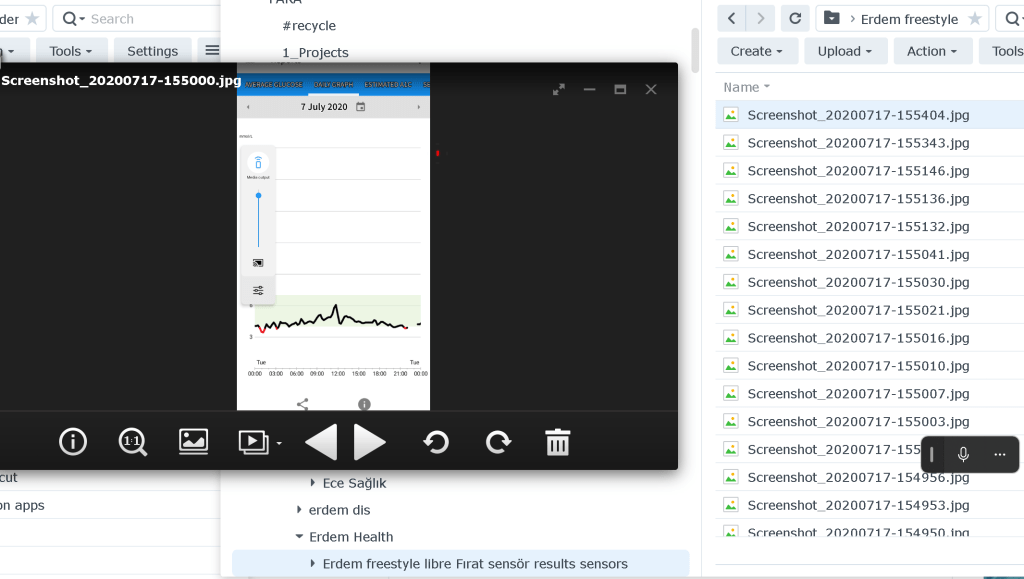
Check the data and recollect and learn
Imported from rifaterdemsahin.com · 2025