🔬 Which AI Engines Support Image-to-Text?
AI is transforming the way we interact with visual data, and image-to-text technology is a prime example. Imagine extracting text from a photo or understanding the contents of an image with ease. Here's a look at some of the top AI engines that support this revolutionary feature.
🚀 What is Image-to-Text Technology?
Image-to-text technology leverages Optical Character Recognition (OCR) and deep learning algorithms to convert text within an image into editable, searchable formats. But it's not just about text – some AI engines can also describe objects, scenes, and even emotions in the image.
🌍 AI Engines That Support Image-to-Text
🎨 1. Google Cloud Vision API
Google's Cloud Vision API is a powerful tool for recognising text and objects in images. It supports multiple languages and can detect handwriting.
Key Features:
-
OCR for printed and handwritten text.
-
Automatic language detection.
-
Ability to classify objects and scenes.
🔄 Pausing to admire Google’s clean and easy-to-integrate API.
Gemini as UI
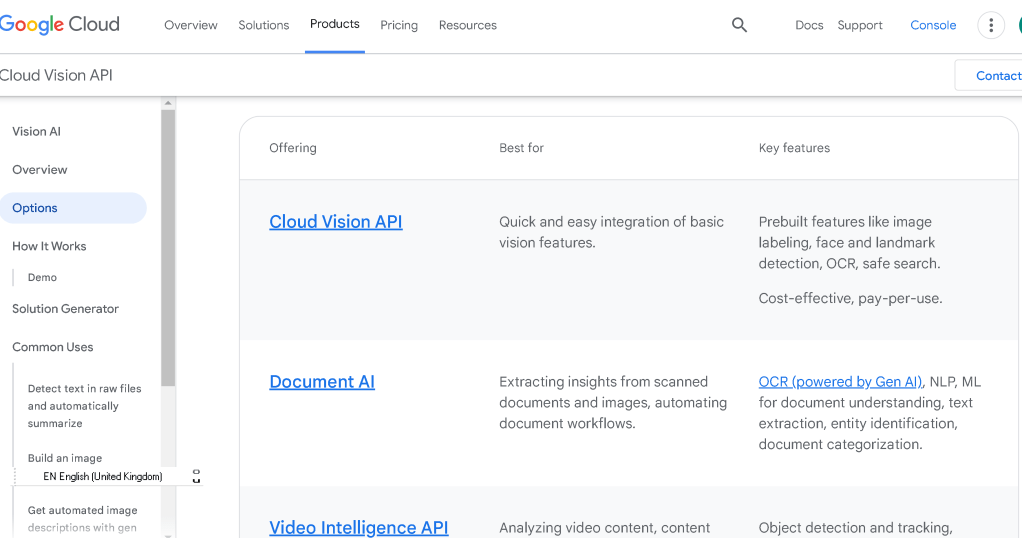
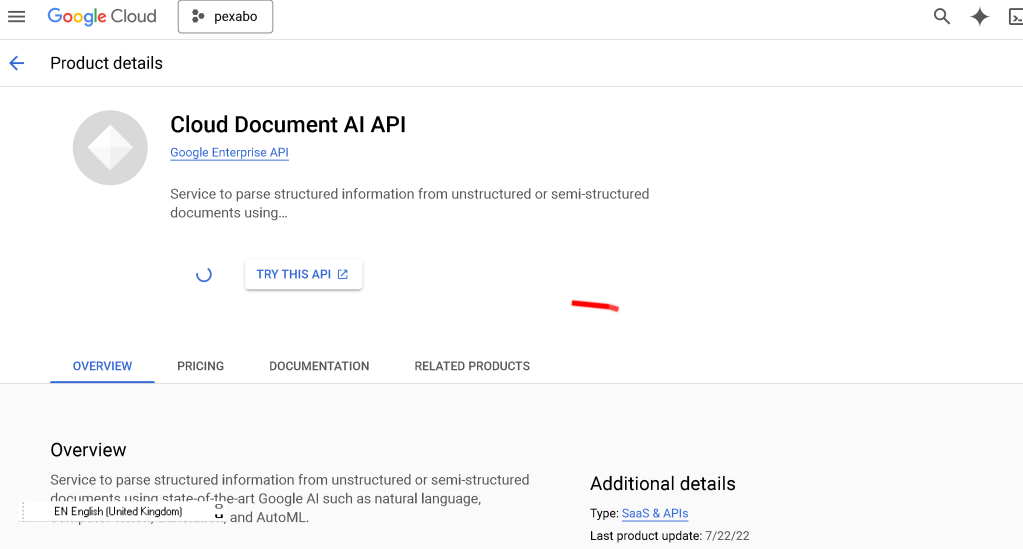
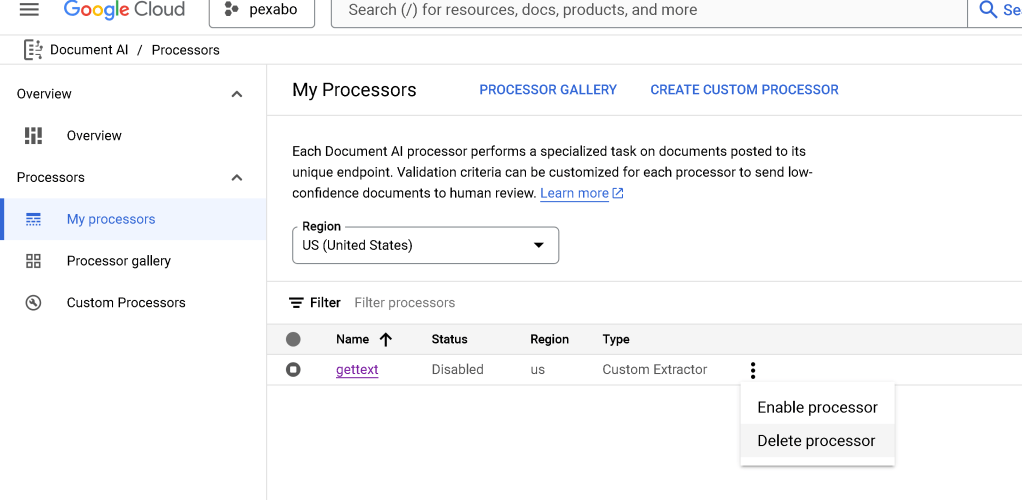
Deleted as they could have running costs
🕹️ 2. Microsoft Azure Computer Vision
Microsoft Azure’s Computer Vision service is another robust solution. It offers advanced OCR capabilities and even spatial text recognition.
Key Features:
-
Detects text from scanned documents and images.
-
Spatial analysis of text layout.
-
Integration with Azure AI services for enhanced workflows.
🔄 Pause for a screenshot to appreciate the Azure dashboard’s layout.
🌟 3. OpenAI GPT Models with Vision
With advancements in GPT models, OpenAI has integrated image-to-text capabilities through APIs like DALL-E and ChatGPT’s vision features.
Key Features:
-
AI-powered image analysis.
-
Text-to-image prompts and vice versa.
-
Combined image and text understanding for rich outputs.
🔄 Pause to imagine combining GPT’s creativity with visual data.
📡 4. AWS Rekognition
AWS Rekognition provides text-in-image detection and a range of additional features like face recognition and object detection.
Key Features:
-
Extracts text from photos, videos, and PDFs.
-
Integrated with AWS’s powerful cloud ecosystem.
-
Supports real-time analysis.
🔄 Pause to visualise the massive scalability AWS offers.
📸 5. Tesseract OCR
For open-source enthusiasts, Tesseract is a standout choice. It is a free OCR engine supported by Google.
Key Features:
-
Completely free and open-source.
-
Supports over 100 languages.
-
Flexible for integration into custom applications.
🔄 Pause to marvel at how far open-source has come.
🍎 Final Thoughts
Image-to-text technology is enabling countless applications, from automating data entry to making content accessible. Each AI engine offers unique strengths, so the choice depends on your specific needs and ecosystem.
Which of these tools have you tried? Share your experiences below!
🔗 Connect with me:
-
💼 LinkedIn: https://www.linkedin.com/in/rifaterdemsahin/
-
🐥 Twitter: https://x.com/rifaterdemsahin
-
🎥 YouTube: https://www.youtube.com/@RifatErdemSahin
-
💻 GitHub: https://github.com/rifaterdemsahin
Imported from rifaterdemsahin.com · 2025