🚀 The Sales, Borrowing, Spending, and Packing Cycle: A Usability Perspective
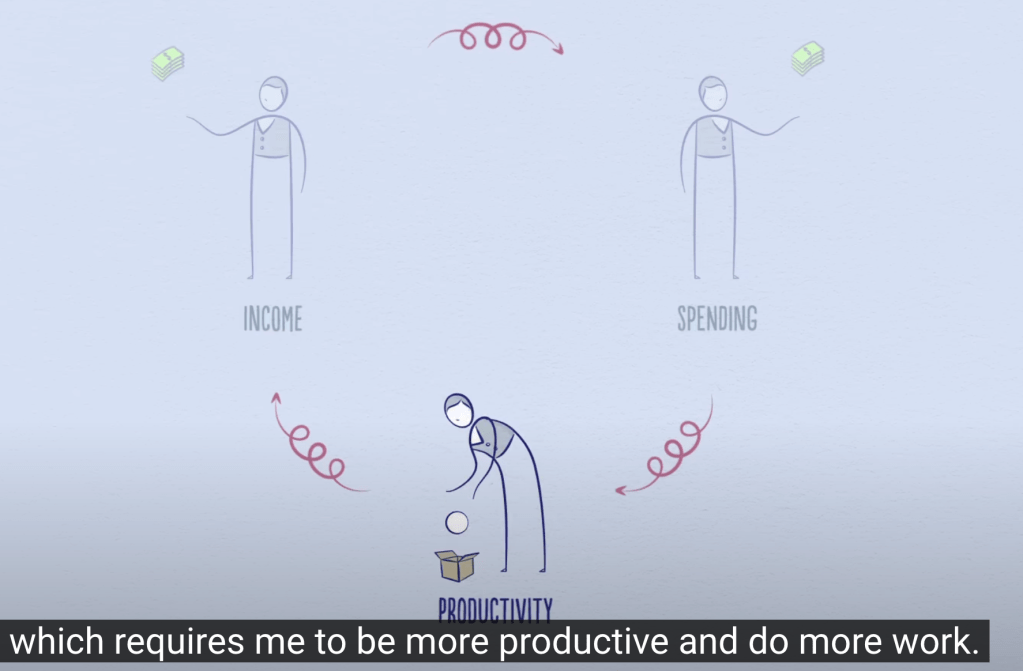
In my latest conversations with a partner, I realized something critical: the cycle of sales, borrowing, spending, and packing often defines how we approach our personal and professional lives. But here’s the twist: instead of focusing on sales or profits as the driving force, the first principle should always be usability. Let’s dive into why usability is the cornerstone for sustainable success.
🔄 Understanding the Cycle
-
Sales: While sales drive revenue, it’s not where the journey begins. Without usability, you might sell once but lose your audience quickly.
-
Borrowing: We borrow ideas, time, and even resources to fuel our endeavors. Borrowing is not bad, but it’s a double-edged sword.
-
Spending: Spending wisely ensures we’re focusing on activities that add value—to ourselves, our partners, and our users.
-
Packing: Packing represents preparation and forward-thinking—ensuring we’re ready for the next stage.
When these elements align, they create a virtuous cycle. However, usability ensures that every step of the cycle leads to meaningful outcomes.
🧩 Why Usability Matters
Imagine building a product or service that is hard to use. No matter how great your sales pitch is, your audience will disengage. Usability focuses on:
-
Simplifying workflows.
-
Enhancing user satisfaction.
-
Prioritizing long-term retention over one-time wins.
When we borrow time or resources, it’s usability that dictates whether our investments yield results.
💰 A Balanced Approach to Spending
Helping friends or investing in a side gig can be rewarding, but it’s essential not to overcommit. Remember:
-
Don’t bet everything on uncertain outcomes. Instead, allocate your resources to activities with clear, measurable returns.
-
Invest in what you can pack. Use your time and effort wisely to prepare for future growth, rather than betting on the short-term.
🤝 Collaborating with Friends and Partners
Spending time helping friends or starting a side hustle is okay. In fact, it’s one way to expand your horizons. But to make it sustainable:
-
Align your side projects with your core goals.
-
Avoid letting these activities detract from your usability-first focus.
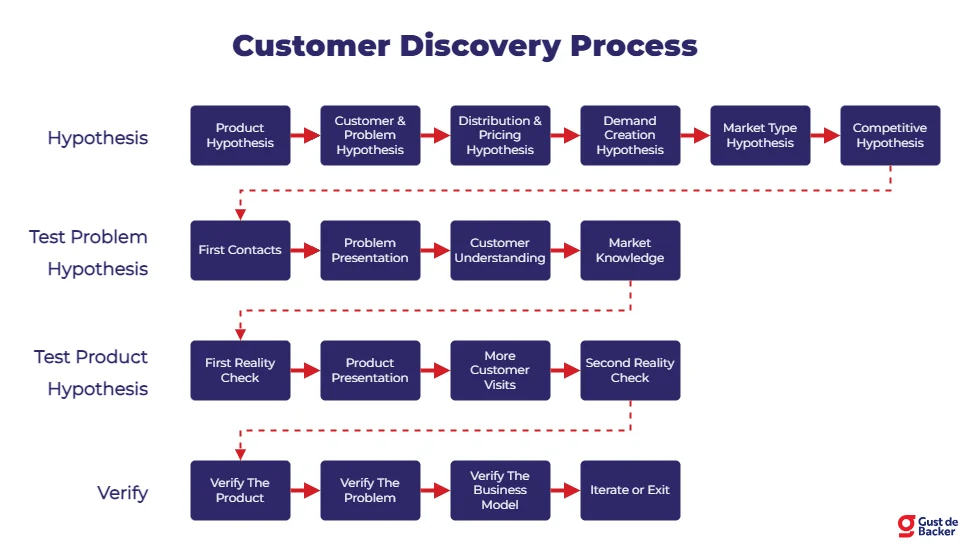
Here’s a quick step-by-step guide on how I evaluate usability when starting a project:
-
Sketch the User Journey: Map out the process from a user’s perspective.
-
Ask These Questions:
Is the process intuitive?
-
Can the user achieve their goal efficiently?
-
What’s missing or confusing?
-
Test and Iterate: Simulate real-world scenarios and gather feedback.
top for the user > bottom for the customer
🚀 Key Takeaways
-
Usability is the foundation of sustainable growth.
-
Align your spending and borrowing with activities that provide value.
-
Helping friends or pursuing side gigs is fine—just ensure they align with your main goals.
-
Always pack for the future by preparing today.
By focusing on usability first, you create a cycle that’s not just profitable but also meaningful. 🌟
🔗 Connect with me:
-
💼 LinkedIn: https://www.linkedin.com/in/rifaterdemsahin/
-
🐦 Twitter: https://x.com/rifaterdemsahin
-
🎥 YouTube: https://www.youtube.com/@RifatErdemSahin
-
💻 GitHub: https://github.com/rifaterdemsahin
Imported from rifaterdemsahin.com · 2024