Conflicting my ideas on skills gaps
Coin Side A
Coin Side B
2 year argument
AI automation and world forum > promote change
-220k courses in Udemy
2030 prediction >>>> merged
Arguments with Emojis: The "Skills Gap" Myth
1. Shifting Blame 🤔
👉 The "skills gap" is an easy excuse for companies to shift responsibility to workers.
🚫 It avoids addressing deeper issues like underinvestment in training or poor job conditions.
2. Wage Suppression 💵⬇️
👉 Employers can demand more skills than necessary to justify lower wages.
📉 Workers are often forced to accept lower pay due to "gaps" they supposedly have.
3. Disappearing Act 🎭
👉 When unemployment is low, the "skills gap" seems to vanish.
📊 Research shows skill requirements rise when unemployment is high and drop when labor is scarce.
4. Low Pay, High Expectations 😤
👉 Many "in-demand" jobs don't pay enough to justify retraining costs.
💼 Teachers, nurses, and tradespeople face tough working conditions for mediocre pay.
5. Corporate Profit 🏦
👉 Companies profit from the myth by outsourcing training costs to workers or governments.
🎓 Retraining programs and corporate training have become billion-dollar industries.
6. Incentives Matter 💻
👉 High-paying, rewarding jobs (e.g., tech in the 2000s) naturally attract skilled workers.
🚨 But poorly compensated roles with high stress drive people away, not toward training.
7. Misdirection 🔄
👉 Focusing on a "skills gap" hides real labor market issues like poor job quality, discrimination, and lack of worker protections.
📢 Politicians and businesses use this narrative to justify inadequate wages and benefits.
Conclusion: Is the "Skills Gap" the Real Problem? 🤷♀️
🚧 The myth of the skills gap benefits corporations and politicians, but it distracts from systemic problems.
💡 Fixing the real issues—better pay, respect, and working conditions—could close this so-called gap.
Where i wanna go ?
Value
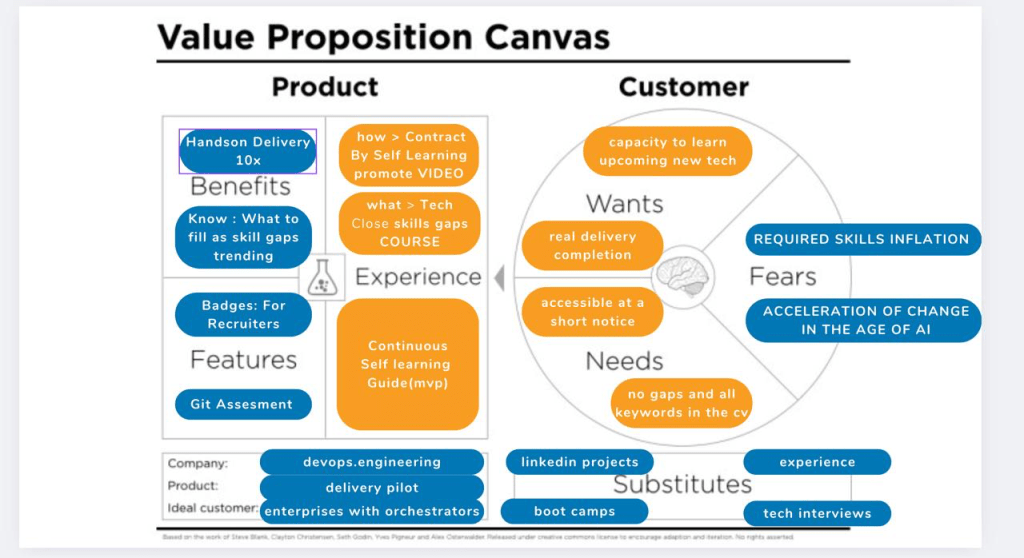
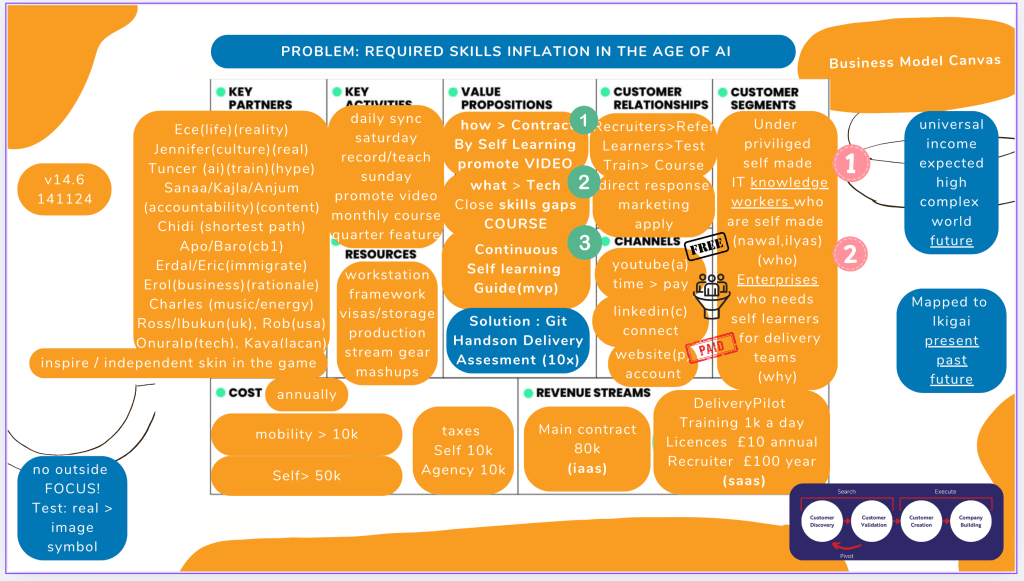
Model
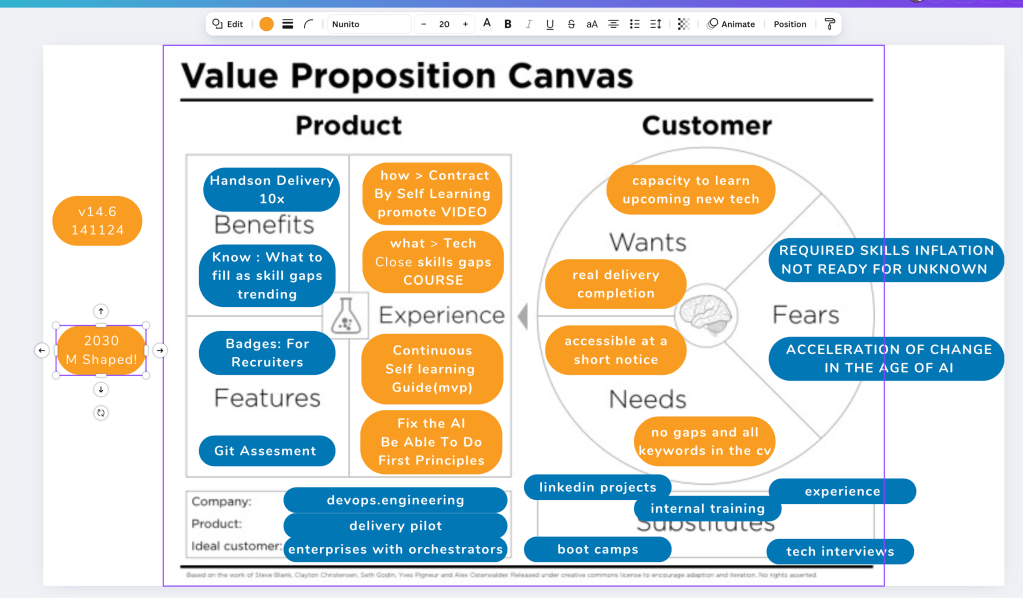
Addde 2030 would be m shaped
Instead of easy dopamine work on the project than binge watching

Imported from rifaterdemsahin.com · 2024