💸 Why a Six-Figure Income No Longer Feels Like “Enough” for a Family of FourThe Realities of Capitalism and the High Cost of Selling Our Time
🚀 Introduction
For many, the six-figure income—$100,000 or more—used to be synonymous with financial security. But in today’s economic climate, even this impressive-sounding number often feels stretched thin, especially for families. We’ll explore why six figures no longer guarantees financial ease, and how modern capitalism amplifies this challenge by undervaluing time in a fiercely competitive landscape.
📉 Why Six Figures Isn’t What It Used to Be
💡 Cost of Living Surge: From housing to healthcare, education, and even groceries, costs have soared. The expenses for basic needs like childcare, food, and transportation consume more of our income than ever before, leaving families with little to save or invest.
🏠 Housing Crisis: Real estate prices have skyrocketed. Many families are forced to rent, unable to break into the housing market due to soaring prices and mortgage rates. Renting, unfortunately, often means paying more without building any equity.
🚸 Childcare and Education: Childcare is a significant expense that often parallels rent or mortgage payments. Education costs are high, too, especially for parents hoping to save for their children’s college funds.
🩺 Healthcare Costs: A single health emergency can be devastating. Even with insurance, out-of-pocket costs for copays, prescriptions, and surprise bills add up.
⏳ Capitalism and the Time Trap
In capitalism, our time is often a product sold for profit. Here’s why this system often works against us:
1. ⛓️ Competitive Workforce: Selling time is inherently limiting. There are only so many hours in a day, and we have competitors who may work longer, cheaper, or under different terms, which lowers the overall value of each individual’s time.
2. 🚫 The Income Cap on Time: Even with a high hourly rate, there’s a hard cap on earnings because time is finite. Salary, contracts, and wages are directly tied to hours worked, creating an income ceiling that’s difficult to surpass.
3. 💻 Automation and Outsourcing: Companies have a strong incentive to replace high-cost human labor with automated solutions or outsource to areas where labor is cheaper, creating intense competition that drives down the value of individual time.
4. 📈 Inflation’s Toll on Wages: While wages may rise gradually, inflation often outpaces these increases. This erosion of purchasing power makes it increasingly difficult to maintain financial security with a wage-based income.
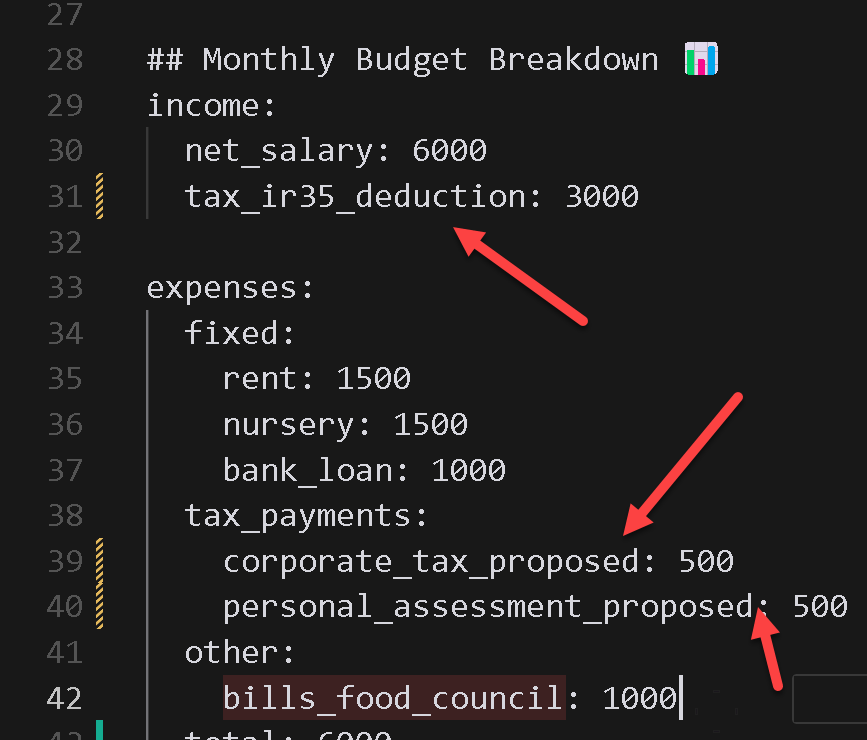
🏠 Rent/Mortgage Payment
An image showing rising mortgage rates and real estate prices.
🚗 Car Payment & Insurance
Screenshot of a monthly car payment breakdown, insurance premiums, and rising gas prices.
🏫 Childcare & Education
A breakdown of daycare or tuition fees.
🌱 Moving Beyond Selling Time: Creating a Path to Financial Freedom
1. 🚀 Invest Wisely: Look for opportunities to create passive income streams, whether through investments, rental properties, or side businesses. This moves you away from relying solely on wages.
2. 💡 Embrace Skills That Can’t Be Automated: High-value skills, creative work, and innovative problem-solving are areas where machines struggle. Developing these skills can help create income streams that aren’t easily outsourced or automated.
3. 📊 Diversify Income Sources: Even with a full-time job, a side hustle or gig economy job can diversify your income, easing the strain of relying on a single source.
📬 Connect With Me!
If you’re interested in discussing more about financial freedom and modern work strategies, feel free to connect. Let’s share insights, build resilience, and work toward a more stable future for all of us. 🌟
🔗 Connect with me:
-
💼 LinkedIn: https://www.linkedin.com/in/rifaterdemsahin/
-
🐦 Twitter: https://x.com/rifaterdemsahin
-
🎥 YouTube: https://www.youtube.com/@RifatErdemSahin
-
💻 GitHub: https://github.com/rifaterdemsahin
Let’s make financial resilience accessible to every family, regardless of income.
Imported from rifaterdemsahin.com · 2024