🌍 The Rising Skill Demands in Today’s Job Market: How Did We Get Here?
💡 Over the past 50 years, the job market has experienced what can only be described as “inflation” in skill expectations. What was once sufficient to land and keep a job may no longer be enough. With rapid technological advancements, shifting industry standards, and globalization, the expectations for a skilled workforce have transformed dramatically. Let's explore the key drivers of this shift:
1. 💻 Advancements in Technology
The digital age has brought a continuous wave of innovation. New tools, software, and automation are constantly being introduced, and they’re changing the nature of traditional jobs. Roles that once didn’t require a tech background now demand a level of digital literacy and adaptability. For instance, customer service roles may now involve CRM software, while marketing often requires proficiency with digital analytics tools.
2. 🎯 Specialization + Multitasking
In a highly competitive environment, companies strive to set themselves apart, which has led to increased specialization across roles. However, the twist is that while roles have become more specialized, they also expect versatility. Employees may need to juggle multiple responsibilities that once belonged to separate roles. This dual demand for depth in one area and breadth across others is pushing workers to build more diverse skill sets.
3. 🎓 Higher Educational Standards
Many positions now have higher educational requirements. A job that might have required a high school diploma a few decades ago might now demand a bachelor’s degree or even specific certifications. This trend is evident across a range of industries—from administration to healthcare—where baseline educational requirements have risen.
4. 🧠 The Growing Importance of Soft Skills
Soft skills like communication, problem-solving, and adaptability have become essential. With teamwork and customer service increasingly central to company culture, soft skills are no longer seen as a “nice-to-have” but as a critical component of success. Many employers now prioritize hiring people who are not only technically capable but also excel at collaboration and effective communication.
5. 🌐 Globalization and Competition
As companies expand internationally, employees need to be culturally aware and often multilingual. Language skills, cultural competence, and an understanding of diverse markets are now significant assets for roles that interact with global teams or serve international customers.
6. ✨ Emphasis on Innovation
Innovation is at the heart of staying competitive. Many companies value employees who can not only execute tasks efficiently but also contribute ideas that drive change. This emphasis on creativity and problem-solving can be especially challenging as it requires employees to think critically and proactively, beyond the scope of traditional tasks.
📈 A Broader Skill Set Expected from Day One
The end result? Companies increasingly expect that new hires arrive with a wide-ranging and advanced skill set. This trend not only places pressure on job seekers but also on current employees to stay on top of industry changes and maintain their relevance.
Whether you’re entering the workforce or navigating a mid-career shift, investing in continuous learning has never been more crucial. Developing a blend of hard skills, soft skills, and adaptability can help ensure you’re prepared for whatever the future of work brings.
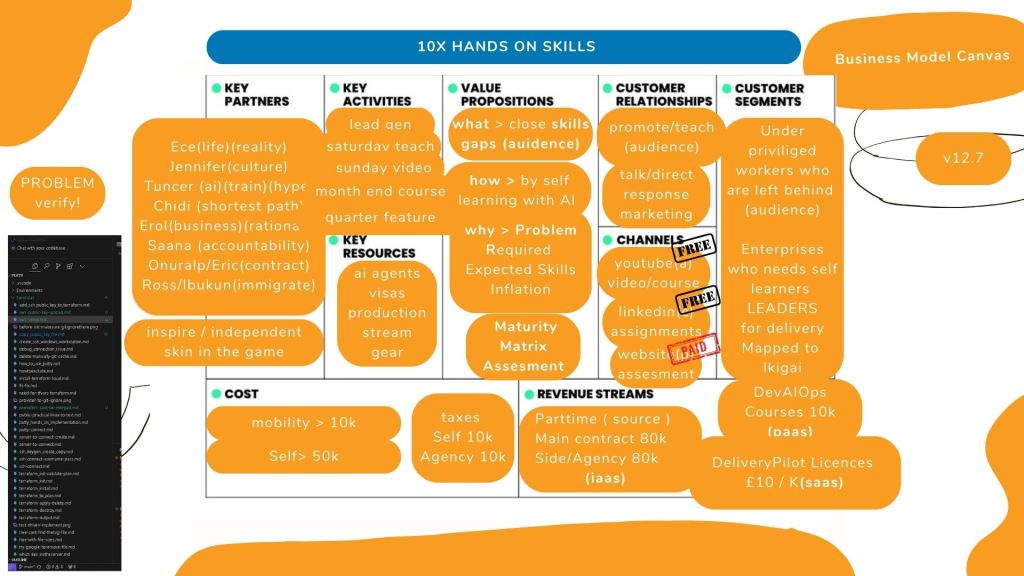
Created a business plan around this problem
🔗 Connect with me:
Take a screenshot and share your thoughts! 📸 Pauses, ponders, or maybe a thoughtful emoji? Let’s discuss: How are you adapting to the “inflation” in skill requirements? 💬
Imported from rifaterdemsahin.com · 2024