Tears Are Cathartic, But Why Do We Still Need to Be Antifragile? 💧✨
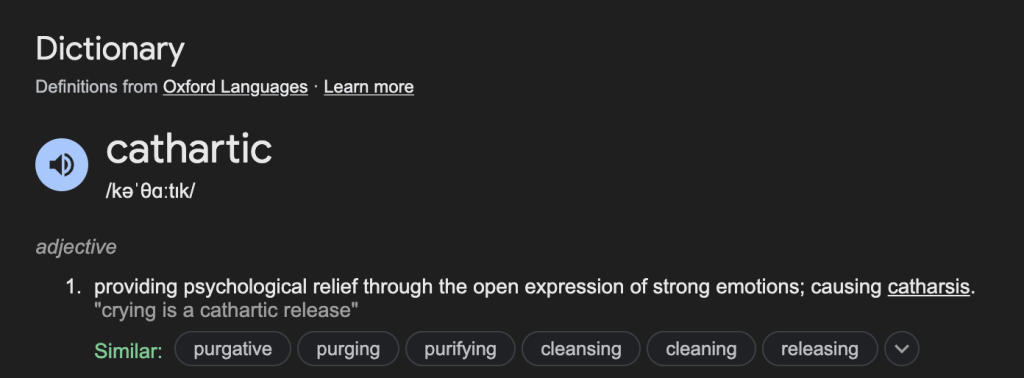
We've all been there—when the weight of the world feels too heavy, and the only release is through tears. Tears can be cathartic, a way to let go of emotions we've held in for too long. But here's the thing: while tears can help us process and heal, we still need to be antifragile in a world full of challenges.
💡 What Does It Mean to Be Antifragile?
Being antifragile goes beyond just being resilient. It's about thriving in the face of stress, chaos, and disorder—not just surviving. It's about taking the challenges and uncertainties life throws at us and growing stronger because of them.
Think of it like this: Resilience is about bouncing back. Antifragility is about bouncing forward. 🚀
🛠️ Why Both Are Important:
1. Emotional Release (Tears) = Healing
Tears allow us to release pent-up emotions. They provide a temporary break from our internal storms and help us come back to a place of calm. It’s like rebooting your emotional system when things get too overwhelming. 🧘♀️
2. Antifragility = Growth
While tears heal, they don't necessarily make us stronger. Antifragility does. It’s about using adversity as a springboard to develop new skills, new mindsets, and new perspectives. 🌱
So, why can't we just cry our way through life? Because true growth happens when we face challenges head-on, learn from them, and adapt in ways that make us stronger for future battles. 💪
💭 Takeaway: Why We Still Need to Be Antifragile
Tears remind us that we're human. But being antifragile ensures that we can transform pain, struggle, and uncertainty into growth. Life’s tough moments shouldn’t just break us—they should make us even more capable of handling whatever comes next.
So, next time you shed a tear, remember: you're healing, but you're also preparing to bounce forward. 🚀✨
🔗 Connect with me:
Imported from rifaterdemsahin.com · 2024