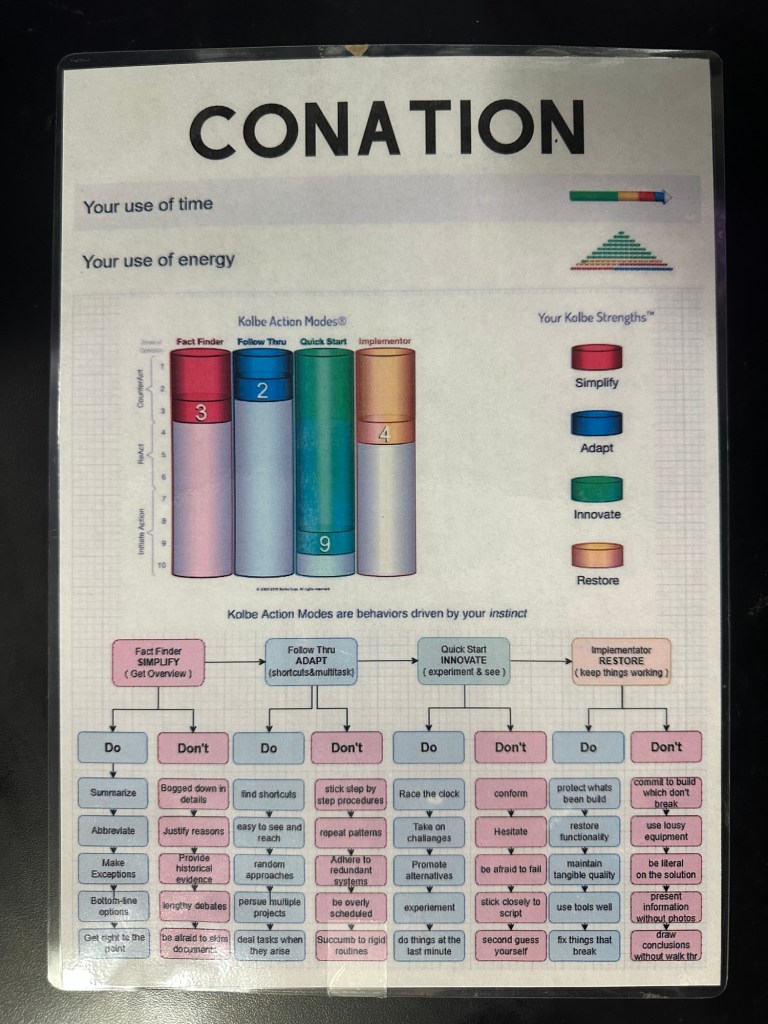
Conation Cheat sheet
Why I Loved Using OneNote and Hands-On Convergence for Fact Gathering: No More Getting Stuck on Structure
When it comes to gathering information, one of the most frustrating things is getting bogged down by structure. Too many tools force you to work within rigid frameworks, making it hard to capture ideas as they flow. That's where OneNote and a hands-on approach to convergence have transformed how I work.
OneNote: The Ultimate Freeform Tool for Idea Collection
OneNote offers the perfect platform for capturing ideas, facts, and bits of information in a freeform manner. Unlike traditional note-taking apps or word processors, OneNote allows you to simply drop thoughts wherever they fit. You can start typing anywhere on the page, draw a diagram, or even paste a screenshot—there’s no fixed structure. This freedom means I can move through information-gathering quickly without worrying about formatting or organizing on the go.
Whether it's research for a new project or brainstorming ideas for a presentation, OneNote lets me jump around without friction. I can build the structure later when I'm ready to think through how everything ties together.
Hands-On Convergence: Allowing Ideas to Evolve
Once I’ve captured a wealth of information in OneNote, I use a hands-on convergence method to sort through it all. Convergence is all about taking scattered ideas and bringing them together in a cohesive way. But instead of planning everything out meticulously from the start, I allow the facts I’ve gathered to guide the process.
For example, I often find that unrelated pieces of information start to click when I see them together in OneNote. I may not have thought of connecting them during the collection phase, but by converging different facts, new insights emerge. This flexibility keeps me from getting stuck on the structure and instead allows my work to evolve organically.
Fact Gathering Without Structural Bottlenecks
The key takeaway from using OneNote and hands-on convergence is that it removes the pressure of immediate organization. When you're not stuck trying to force everything into a strict format, you can focus on what’s most important: the ideas themselves. The structure can come later, once you have a rich set of data to work with.
In my experience, this approach has led to more creative outcomes, fewer delays, and a deeper understanding of the material I'm working with. If you find yourself overwhelmed by rigid workflows, give OneNote and hands-on convergence a try—you might just unlock a new level of productivity.
Imported from rifaterdemsahin.com · 2024