Exploring Your New Neighborhood: A Guide to Finding the Perfect Home 🏡
Moving to a new place can be both exciting and overwhelming. Whether you're relocating for work, family, or just a change of scenery, finding the right home is crucial. With so many factors to consider—like proximity to schools 🏫, heating costs 🔥, and neighborhood vibes 🌳—it can feel like a daunting task. But with some careful planning and a bit of local knowledge, you can find a place that fits your needs perfectly.
1. Take a Walk Around the Area 🚶♂️
Before making any decisions, it's a good idea to explore the neighborhood. If possible, take a stroll around and get a feel for the area. Pay attention to the little things: How windy is it? 🍃 Are there a lot of trees? 🌲 Does the area feel welcoming? These details can significantly impact your day-to-day life.
Example > Reading
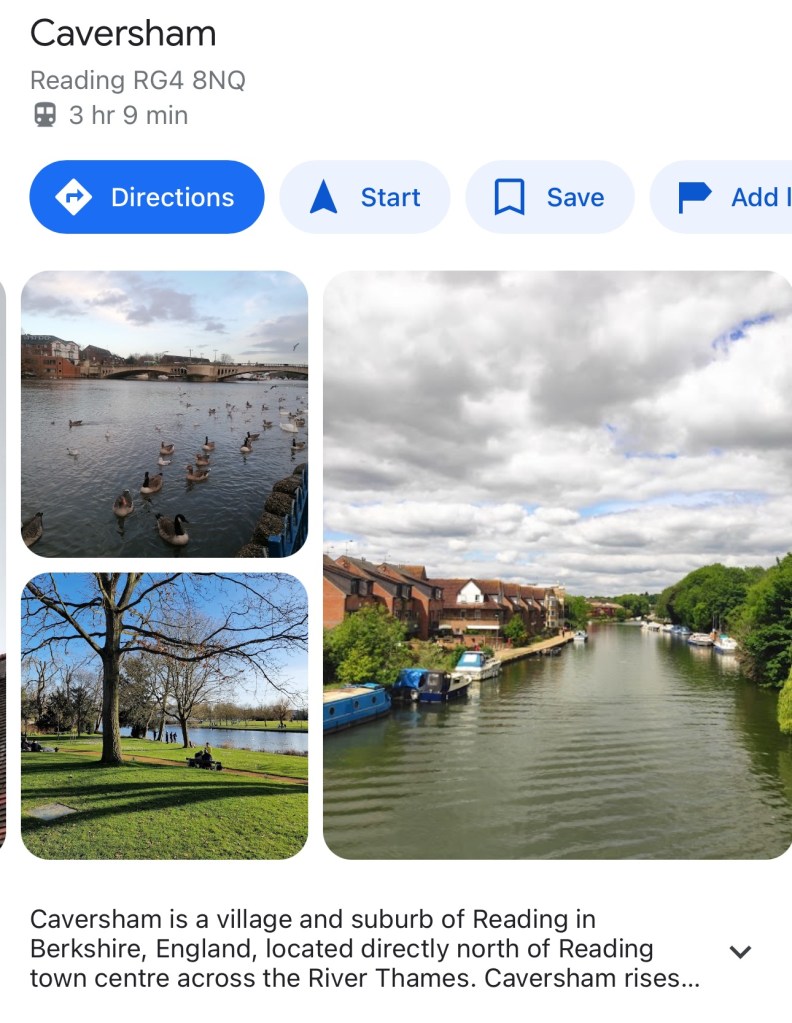
If your potential home is close to a river or other water bodies 🌊, be aware that these locations tend to be colder. This could be a factor in your heating bills during the colder months. Also, if the property is in an open area with a lot of airflow, you might find that the front of your house is constantly windy—something that could become annoying over time.
2. Compare the EPC Rating 💡
Energy Performance Certificates (EPC) provide a good indication of how energy-efficient a property is. Given that energy costs, especially gas 💸, can be quite high, it's essential to compare the EPC ratings of potential homes. A house with a higher EPC rating might be more expensive initially but could save you money on energy bills in the long run.
For example, a big, detached house might seem appealing, but consider the cost of heating it 🏠. Sometimes, spending a little more on a home with better insulation and energy efficiency can save you money overall
3. Consider Your Family's Needs 👨👩👧👦
If you have children, it's important to think about their safety and comfort. A house with a maximum of two floors might be safer for kids and less tiring for you. Additionally, living in an area with good schools is often a priority for families. These neighborhoods tend to attract more intellectual families, creating a more enriching environment for your children as they grow.
4. Social Life and Community 👫
Moving to a new area isn't just about the house; it's also about the community. Try to engage with the locals—chatting with them can provide valuable insights into the neighborhood. You might learn about the best places to shop, eat, and relax 🛍️🍽️. If there’s a local WhatsApp group, especially one for your cultural or ethnic community, join it! These groups can be incredibly helpful, offering support and advice on everything from local services to social events.
5. Plan for the Future 📅
Think long-term when choosing your new home. Consider the potential changes in your lifestyle, such as a new job or expanding your family. Planning ahead can save you from the hassle of having to move again in a few years. For instance, if your partner is looking for work, consider the commute 🚗 and local job market. If you’re thinking about having more children, assess whether the home and neighborhood will accommodate your growing family.
Conclusion 📝
Finding the perfect home is about more than just the property itself—it's about the community, the costs, and the comfort it will provide for you and your family. Take your time, do your research, and don't be afraid to ask for advice from locals. By considering all these factors, you can make an informed decision that will ensure your new home is a place where your family can thrive for years to come. 🌟
Imported from rifaterdemsahin.com · 2024