Income Inequality: The Case for Looking to the Stars
https://en.wikipedia.org/wiki/Social_inequality
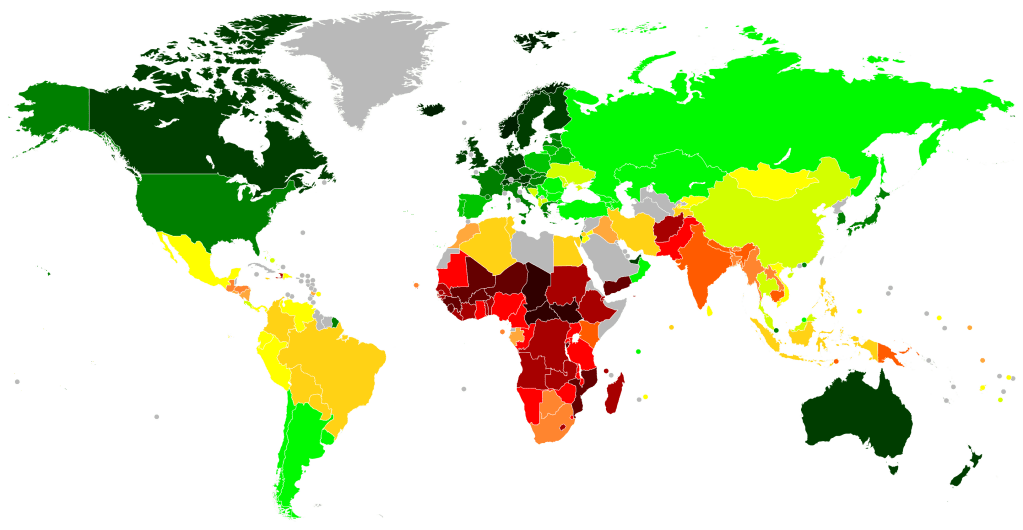
In our modern world, income inequality is a persistent and growing issue. The divide between the ultra-rich and the average worker has widened, with many struggling to meet basic needs while a select few amass unimaginable wealth. For years, solutions have been proposed to bridge this gap—higher taxes on the wealthy, universal basic income, better education, and fair wages. However, these solutions often feel like band-aids on a much larger problem rooted in the finite resources and opportunities available on Earth.
But what if the answer to income inequality lies not on our planet, but in the stars?
The Earthly Limits
The resources on Earth are finite. Whether we are talking about land, water, energy, or even opportunities, our planet has a limit. These constraints inevitably create competition. In this competitive environment, those with more resources (be it capital, knowledge, or connections) tend to win, further widening the gap between the rich and the poor.
Moreover, the economic systems we have in place—capitalism, socialism, mixed economies—are all designed around the assumption of scarcity. The fundamental challenge of economics is the allocation of limited resources. In such a system, inequality can easily become entrenched.
Space: The Infinite Frontier
Space, however, is the opposite of finite. It offers an almost limitless supply of resources and opportunities. From asteroid mining to space-based solar power, the potential wealth to be generated is staggering. The key to reducing income inequality may lie in expanding our horizons beyond Earth and tapping into the vast, untapped resources of space.
Consider asteroid mining: Asteroids are composed of valuable minerals, including platinum, gold, and rare earth elements, worth trillions of dollars. By developing technologies to mine these asteroids, we could inject massive amounts of wealth into the global economy, reducing the scarcity of these resources on Earth and potentially lowering prices for everyone.
Similarly, space-based solar power could provide unlimited energy to the Earth, reducing energy costs and making it more accessible to all, particularly in developing regions. The democratization of energy could lead to the development of new industries and opportunities, reducing the income gap.
Expanding Human Potential
Beyond resources, space exploration has the potential to fundamentally alter our understanding of what’s possible for humanity. As we push the boundaries of science, technology, and human endurance, we will create new industries, jobs, and opportunities that don’t yet exist on Earth.
Consider the early days of the internet: It created entirely new industries and ways of working that have since become essential to the global economy. Space exploration could have a similar impact, creating jobs and wealth in ways we can’t even imagine today.
The Ethical Imperative
Finally, expanding into space could force us to rethink our approach to economics and ethics. With access to seemingly limitless resources, the concept of scarcity—a driving force behind much of the inequality we see today—could become obsolete. This shift would require a new economic model, one that prioritizes the well-being of all humanity rather than the accumulation of wealth by a few.
Moreover, space exploration offers a unique opportunity for humanity to unite around a common goal. The challenges of space are so immense that no single nation or corporation can tackle them alone. This could lead to unprecedented levels of international cooperation and, by extension, a more equitable distribution of the benefits.
Conclusion: A New Dawn
The path to reducing income inequality might not be found in tweaking our current systems or redistributing the wealth we have. Instead, it may lie in expanding our horizons—literally. By looking to the stars and harnessing the resources and opportunities that space offers, we could create a future where wealth is more evenly distributed, and the concept of income inequality becomes a relic of the past.
In the end, the solution to our earthly problems may not be on Earth at all but in the infinite possibilities that lie beyond our atmosphere. The stars are calling, and with them, the potential to redefine the future of humanity.
Imported from rifaterdemsahin.com · 2024