Understanding Wealth Inequality Through the Wealth Inequality Index
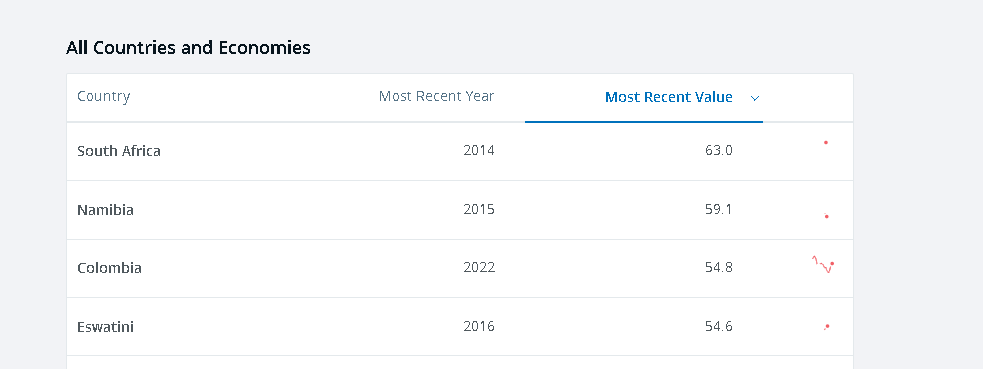
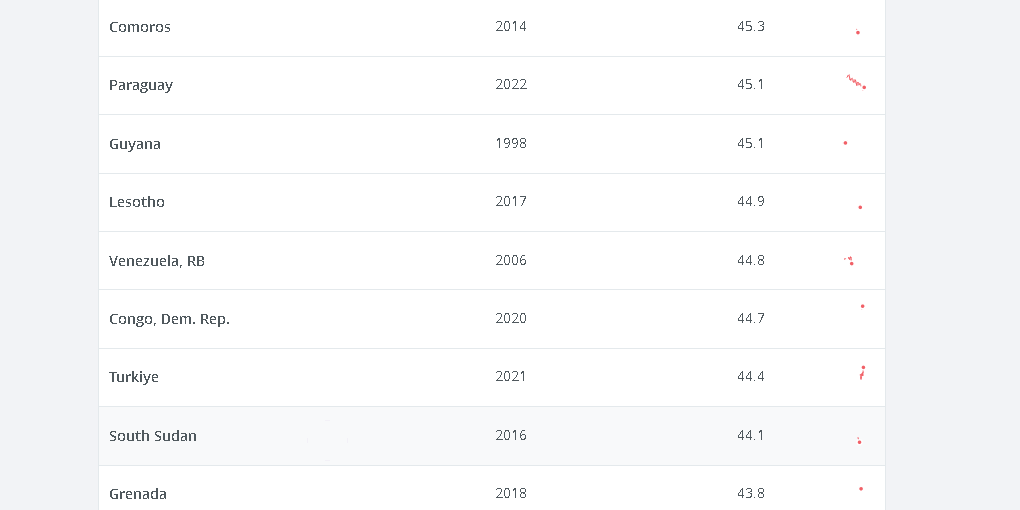
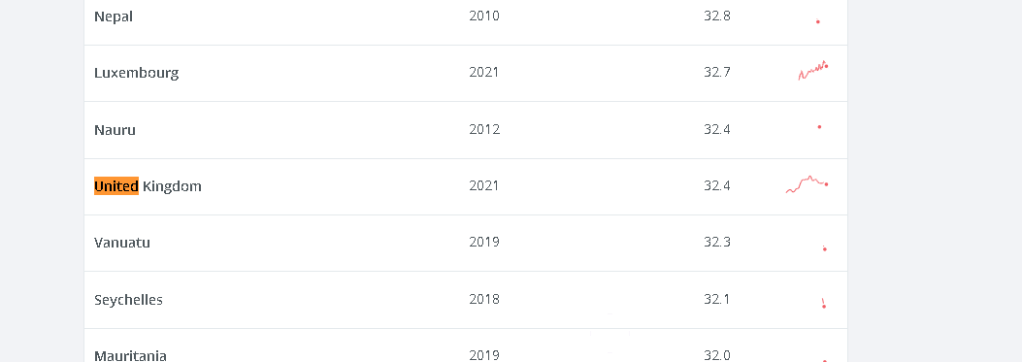
Wealth inequality is one of the most pressing issues in today's world, affecting economic stability, social cohesion, and even the overall well-being of societies. To better understand and measure this phenomenon, economists and researchers often turn to the Wealth Inequality Index, commonly known as the Gini coefficient or Gini index when applied to wealth distribution.
What Is the Wealth Inequality Index?
The Wealth Inequality Index is a statistical measure that represents the inequality in wealth distribution within a population. It offers a straightforward way to visualize how evenly or unevenly wealth is spread across a society. The index ranges from 0 to 1 (or 0 to 100 when expressed as a percentage), with the following interpretations:
-
0 signifies perfect equality, where everyone in the population has an equal share of wealth.
-
1 (or 100) indicates perfect inequality, where all the wealth is held by a single individual or a very small group, leaving everyone else with nothing.
How Is the Wealth Inequality Index Calculated?
The Gini coefficient for wealth is calculated by plotting the cumulative share of the population (ordered from the poorest to the wealthiest) on the x-axis, and the cumulative share of wealth on the y-axis, creating what is known as a Lorenz curve. The area between the Lorenz curve and the line of perfect equality (a 45-degree line) is used to derive the Gini index. The greater the area, the higher the level of inequality.
Interpreting the Wealth Inequality Index
The Gini coefficient offers a clear interpretation of wealth distribution:
-
A low Gini coefficient (closer to 0) indicates that wealth is more evenly distributed among the population, suggesting a more equitable society.
-
A high Gini coefficient (closer to 1) signals significant wealth inequality, where a small portion of the population controls a large share of the wealth, creating stark disparities between the rich and the poor.
Applications of the Wealth Inequality Index
The Wealth Inequality Index is a crucial tool for various stakeholders:
-
Economists use it to analyze and compare inequality levels across different countries or regions, providing insights into the economic health and stability of societies.
-
Policymakers rely on the index to design and evaluate economic policies, such as taxation and social welfare programs, aimed at reducing inequality.
-
Researchers employ the index to study the long-term trends of wealth distribution, helping to inform public debates on economic justice and fairness.
The Importance of Measuring Wealth Inequality
Understanding and addressing wealth inequality is vital for the well-being of societies. High levels of inequality are often linked to numerous social and economic issues, including lower economic mobility, increased social unrest, and hindered economic growth. By measuring wealth inequality, we can better understand its impact and work towards creating a more balanced and just society.
While the Gini coefficient is the most widely used measure, other metrics like the Palma ratio or the share of wealth held by the top 1% are also valuable in analyzing wealth inequality. Together, these tools provide a comprehensive picture of the distribution of wealth and help guide efforts to promote greater equity.
In conclusion, the Wealth Inequality Index is not just a number; it's a lens through which we can view and address one of the most significant challenges of our time. Understanding it is the first step towards building a more equitable world.
Reference
https://data.worldbank.org/indicator/SI.POV.GINI?most_recent_value_desc=true
Imported from rifaterdemsahin.com · 2024