Why I Moved the Outline Process Before the Beatboard in Video Production
In the world of video production, every creator seeks to optimize their workflow to enhance creativity and efficiency. After much trial and error, I discovered a crucial adjustment that significantly improved my process: moving the outline phase before the beatboard. This seemingly small change made a substantial impact on the overall quality and coherence of my projects. Here’s why:
The Importance of Skimming the Words at the Planning Stage
At the heart of every successful video project lies meticulous planning. Traditionally, many producers dive straight into creating a beatboard—a visual representation of the narrative’s key beats—after some initial research and development. However, I found that skimming the words through an outline first allowed for a clearer and more focused vision.
Outlining forces you to distill your ideas into concise summaries, helping you to see the bigger picture without getting lost in the minutiae. This step ensures that you have a solid foundation before investing time and resources into visualizing each beat. It’s like sketching the blueprint of a house before deciding on the interior decor.
Reducing Divergence in Research and Development
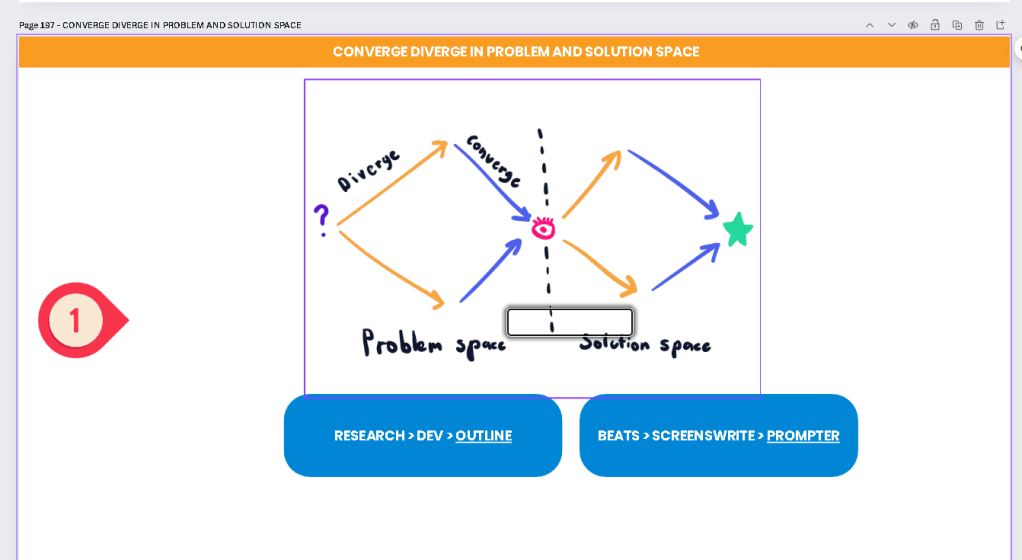
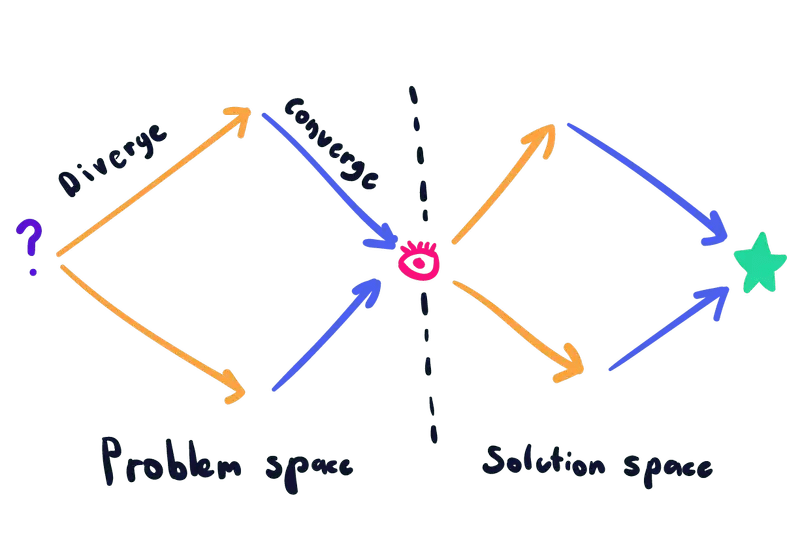
Research and development can often be a double-edged sword. While essential for gathering necessary information and inspiration, it can also lead to a divergence of ideas that may stray far from the original concept. An outline acts as a convergence point, helping to reel in these ideas and align them with the core narrative.
By having a structured outline, you create a framework that keeps your research focused and relevant. This reduces the risk of scope creep and ensures that every piece of information gathered serves the story you want to tell.
Creating a Convergent Point Before Divergence on the Beatboard
Once the outline is in place, it serves as a convergence point, bringing together all the essential elements of your story. This convergence allows for a more organized and efficient creation of the beatboard. The beatboard can now focus on visualizing the key moments outlined, ensuring that each beat is purposeful and aligned with the overarching narrative.
Without an outline, the beatboard creation process can become chaotic and disjointed, as it tries to accommodate every divergent idea from the research phase. An outline ensures that the beatboard is a coherent visual representation of a well-thought-out story, rather than a collection of loosely connected ideas.
The New Workflow: Research > Development > Outline > Beatboard > Screenwriting
Here’s a breakdown of the new workflow that has streamlined my video production process:
-
Research: Gather all necessary information, inspiration, and resources relevant to your project.
-
Development: Brainstorm and explore various ideas and concepts, allowing for creative freedom and exploration.
-
Outline: Distill your research and development into a clear, concise outline that highlights the main story beats and structure.
-
Beatboard: Visualize the key moments of the story as outlined, ensuring each beat aligns with the narrative.
-
Screenwriting: Develop the full script, using the beatboard as a visual guide and the outline as a structural backbone.
By following this workflow, you ensure that each stage of the process builds upon a solid foundation, leading to a more coherent and polished final product.
Conclusion
Moving the outline process before the beatboard in video production has transformed my approach to storytelling. It has enabled me to maintain clarity and focus throughout the production process, ensuring that each element serves the overall narrative. This adjustment might seem minor, but its impact on efficiency and creativity is profound. If you’re looking to streamline your workflow and enhance the quality of your projects, I highly recommend giving this method a try.
Imported from rifaterdemsahin.com · 2024