Push marketing limitations at web 2.0
Introduction
In the ever-evolving digital landscape, marketers must adapt their strategies to the nuances of different platforms. The shift from Web 1.0 to Web 2.0 has brought about some notable changes, particularly in the realm of push marketing. One prominent case is the new limitations imposed by LinkedIn on sending invites.
Push Marketing in Web 2.0
Push marketing in Web 2.0 has been significantly transformed compared to its predecessor, Web 1.0. The interactive nature of Web 2.0, characterized by user-generated content and social networking, has necessitated a more sophisticated approach to push marketing. It's no longer enough to merely 'push' messages to consumers; marketers must also engage and interact with their audience. However, this shift has also created new limitations. For instance, spamming users with unsolicited messages can be counterproductive, as it may lead to negative perceptions of the brand and potential penalties from the platform.
LinkedIn's Invitation Restrictions
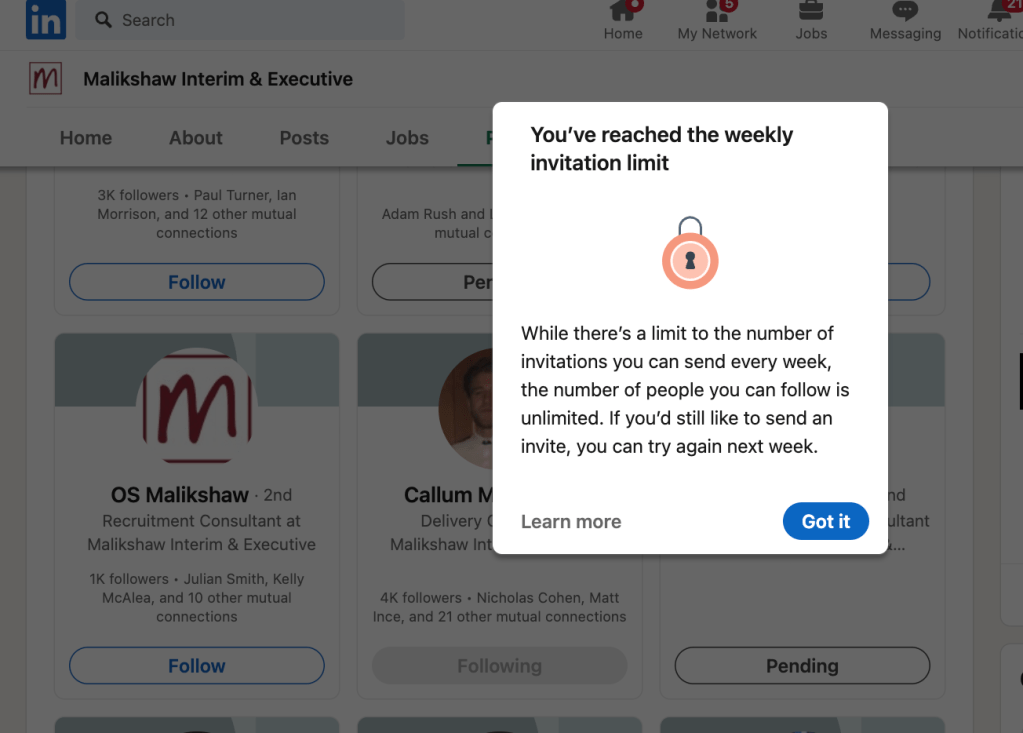
LinkedIn, a professional networking platform, epitomizes the transformation of push marketing in the transition to Web 2.0. To prevent users from being inundated with unwanted connection requests, LinkedIn has implemented limitations on the number of invites a user can send. This measure aims to encourage more meaningful networking by incentivizing users to send connection requests to individuals they genuinely know or have a professional interest in. While this restriction may seem like a hindrance to marketers, it could also be seen as an opportunity to craft more personalized and effective outreach strategies.
The Evolution from Spam to Platform Limits
The limitations seen today on platforms like LinkedIn are reminiscent of the anti-spam measures introduced during the Web 1.0 era. Back then, internet service providers imposed spam limits to prevent users from being overwhelmed with unsolicited emails. Today, social media platforms are taking a similar approach by implementing their own restrictions to maintain a positive user experience. While these platform limits might pose a challenge for marketers, they also stimulate innovation in marketing strategies, as marketers must now balance quantity with quality.
Conclusion
The shift from Web 1.0 to Web 2.0 has necessitated a reevaluation of push marketing strategies. As platforms like LinkedIn implement their own restrictions, marketers are encouraged to focus on quality over quantity. Although these changes may initially seem limiting, they ultimately lead to more effective and personalized marketing efforts. By understanding these limitations and adapting accordingly, marketers can leverage the unique opportunities presented by Web 2.0 to engage their audience in meaningful ways.
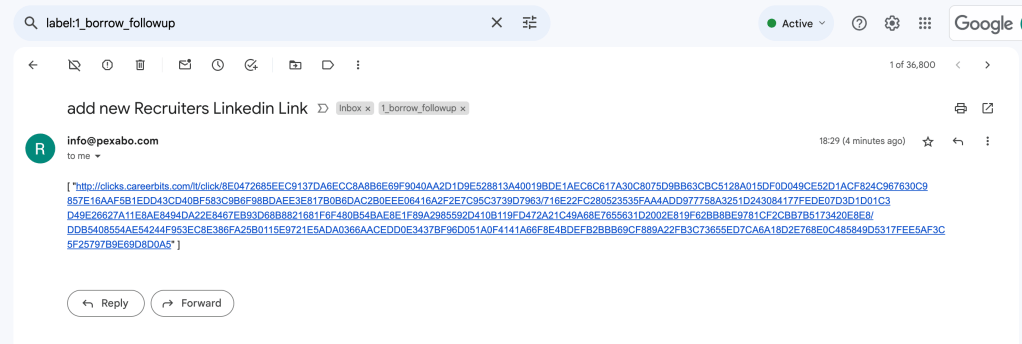
Reference Email Automation of the Linkedin Links
Imported from rifaterdemsahin.com · 2024