Retro after 7 years business in the uk
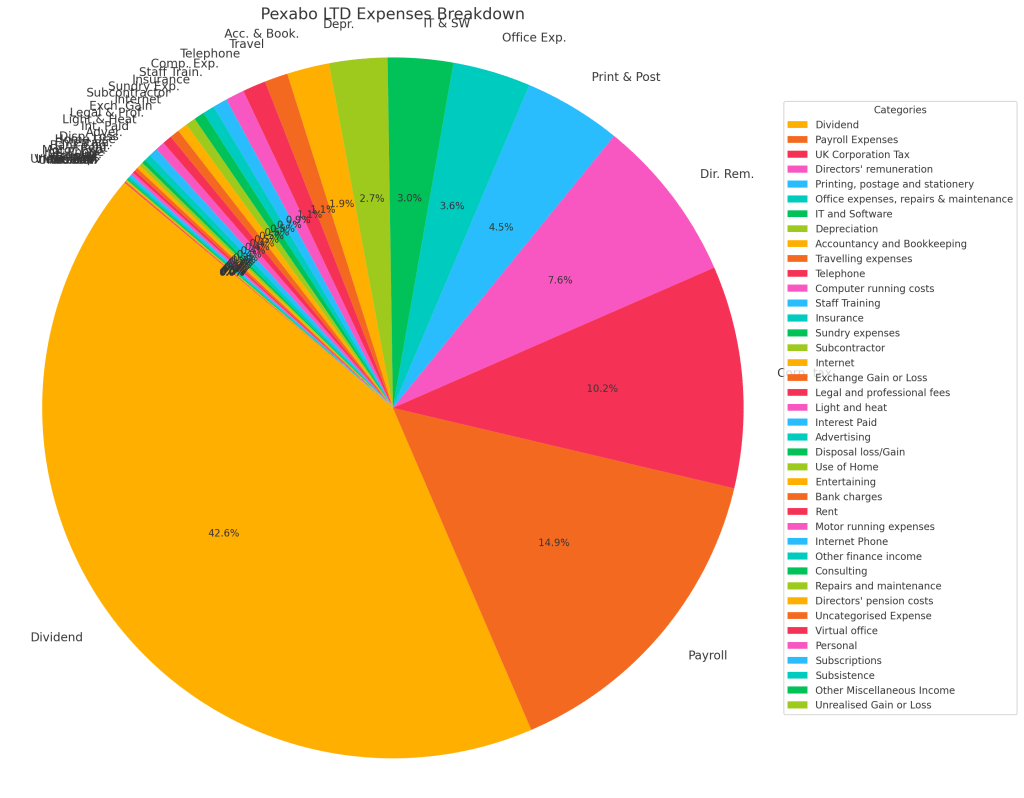
Small business expenses by percentage
https://chatgpt.com/c/5979cfd6-195c-4ec6-b5c3-63caa840eded
Title: Understanding the Key Expenses for IT Contractors in the UK
As an IT contractor in the UK, managing your finances is crucial to ensure the sustainability and growth of your business. One of the essential aspects of financial management is understanding your expenses. This blog post will provide an overview of the typical expenses an IT contractor might incur, based on the expense breakdown for Pexabo LTD, and how these expenses can impact your profitability.
Expense Breakdown and Percentages
Here is a detailed breakdown of the key expenses, presented as percentages of total expenses. This will help you see where your money is going and identify areas where you might be able to save:
-
Dividend (42.6%): A significant portion of income is often taken as dividends, which can be tax-efficient. However, it’s essential to manage this carefully to comply with HMRC regulations.
-
Payroll Expenses (14.9%): These include salaries, pensions, and National Insurance contributions. Efficient payroll management is vital to ensure compliance and optimize tax benefits.
-
UK Corporation Tax (10.2%): Corporation tax is a substantial expense. Keeping accurate records and planning can help minimize this cost.
-
Directors' Remuneration (7.6%): This is the salary paid to directors, separate from dividends. Balancing between salary and dividends can provide tax advantages.
-
Printing, Postage, and Stationery (4.5%): While often overlooked, these costs can add up. Consider going digital where possible to reduce these expenses.
-
Office Expenses, Repairs & Maintenance (3.6%): Regular maintenance and office supplies are necessary for smooth operations. Look for ways to reduce overheads without compromising on quality.
-
IT and Software (3.0%): Investing in the right software and tools is crucial for efficiency and staying competitive. Regularly review your subscriptions to ensure you’re getting value for money.
-
Depreciation (2.7%): This accounts for the wear and tear on your assets. Properly accounting for depreciation can provide tax relief.
-
Accountancy and Bookkeeping (1.9%): Professional accounting services are vital for compliance and strategic financial planning. Investing in good accountancy can save you money in the long run.
-
Travelling Expenses (1.9%): Travel costs can be significant, especially if you travel frequently for client meetings. Consider travel-efficient options and track these expenses for potential tax deductions.
-
Insurance (1.1%): Professional indemnity and other business insurances protect you against risks. Ensure you have the right coverage to avoid costly issues later.
-
Internet and Phone (1.0%): Reliable internet and phone services are non-negotiable in the IT sector. Look for bundled packages that offer better rates.
-
Consulting and Training (0.6%): Investing in continuous learning and consultancy services can enhance your skills and business offerings. Allocate a budget for professional development.
-
Other Minor Expenses (8.4%): This includes sundry expenses, subscriptions, rent, repairs, and various smaller costs. Regularly reviewing and optimizing these can lead to savings.
Optimizing Your Expenses
Understanding and optimizing your expenses can significantly impact your net income. Here are a few tips to manage your expenses effectively:
-
Regular Financial Reviews: Conduct monthly reviews of your expenses to identify patterns and areas for cost-saving.
-
Budgeting: Create a budget for each expense category and stick to it. This helps in controlling overspending.
-
Tax Planning: Work with a professional accountant to plan your taxes efficiently. This can help in maximizing your take-home pay.
-
Invest in Technology: Use accounting and expense tracking software to automate and streamline financial management.
-
Continuous Learning: Stay updated with the latest tax laws and financial management practices for contractors.
Conclusion
Managing expenses is a crucial part of running a successful IT contracting business. By understanding where your money goes and optimizing your expenses, you can improve your profitability and ensure the long-term sustainability of your business. Regular financial reviews, budgeting, and professional advice are key to effective expense management.
By implementing these practices, you can focus more on delivering exceptional services to your clients and less on financial worries.
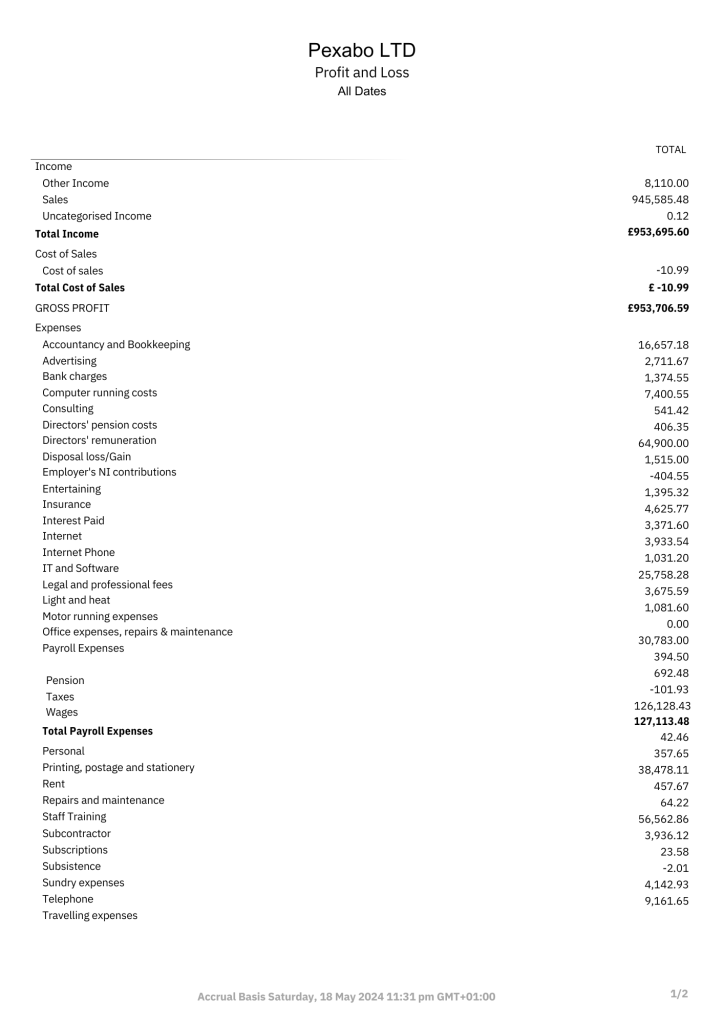
Reference
Imported from rifaterdemsahin.com · 2024