Navigating the Tax Terrain: When Should You Consider Changing Countries?
Should you change your country based on taxes?
The decision to relocate your business or personal residency for tax purposes is a multifaceted one, and not just a question of the tax rates. While lower tax liabilities can significantly impact your financial landscape, other critical factors like the Corruption Perception Index (CPI), market potential, and long-term strategic goals must also be taken into account. In this blog post, we'll explore the various considerations you should weigh when thinking about changing countries due to taxation.
Understanding the Tax Game
First and foremost, it's crucial to understand the tax environment of a country. Taxes can be a significant expense for any business or individual, and different countries offer varied tax benefits that can potentially lower your liabilities. Countries like Ireland, Singapore, and Switzerland have been popular for their relatively lower corporate tax rates and favorable tax regulations. However, the decision to relocate should not be made solely on the basis of current tax rates. Here’s what else you should consider:
1. Stability and Predictability of Tax Laws
A low tax rate is appealing, but it's equally important to consider the stability of a country's tax laws. Frequent changes in tax legislation can result in unpredictability and might complicate financial planning. Countries with stable tax policies provide the predictability businesses need to make long-term strategic decisions.
2. Corruption Perception Index (CPI)
The CPI indicates the level of public sector corruption as perceived by business people and country analysts. A lower corruption level suggests a transparent and reliable business environment, which is crucial for effective and fair enforcement of laws, including tax regulations. High corruption can lead to unpredictable costs, legal troubles, and an unlevel playing field. Thus, a good score on the CPI could be more beneficial in the long run than lower taxes in a highly corrupt environment.
3. Market Opportunities
The potential to land and expand customer bases is critical. Tax advantages might be tempting, but they mean little if the relocation results in fewer business opportunities or a smaller market. Consider countries that not only offer favorable tax conditions but also have strong economic fundamentals, a growing market for your products or services, and a good logistical infrastructure to support your business operations.
4. Regulatory Environment
Apart from tax regulations, the overall regulatory environment of a country impacts business operations. This includes labor laws, environmental regulations, import-export policies, and intellectual property protections. A more business-friendly regulatory environment can enhance operational efficiency and improve profit margins.
5. Quality of Life and Infrastructure
For individuals, the quality of life is a significant consideration. This includes healthcare, education, safety, and general living conditions. Infrastructure like transport, telecommunications, and internet speed also play a critical role in both personal and business decisions.
6. Five-Year Average and Long-Term Strategic Fit
Analyzing the economic performance and stability of a country over the past five years can provide insights into future trends and help in making an informed decision. This long-term perspective is essential to ensure that the benefits of lower taxes are not offset by economic instability or downturns.
Conclusion
Changing countries for better tax conditions can be beneficial, but it's a complex decision that requires a holistic view. Consider not only the immediate financial benefits but also long-term strategic factors such as market potential, regulatory environment, quality of life, and economic stability. By evaluating all these factors, you can make a more informed decision that aligns with both your personal and business goals. Remember, what works for one business or individual may not work for another, so tailor your decision to your unique circumstances.
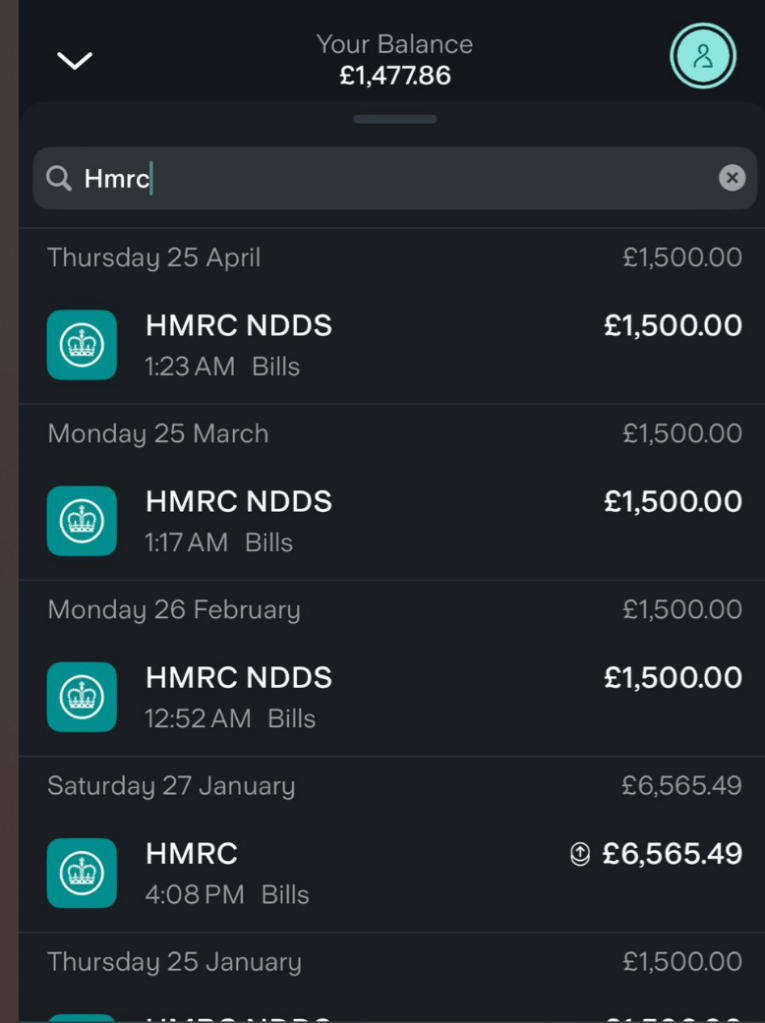
Games by HMRC
VAT Game
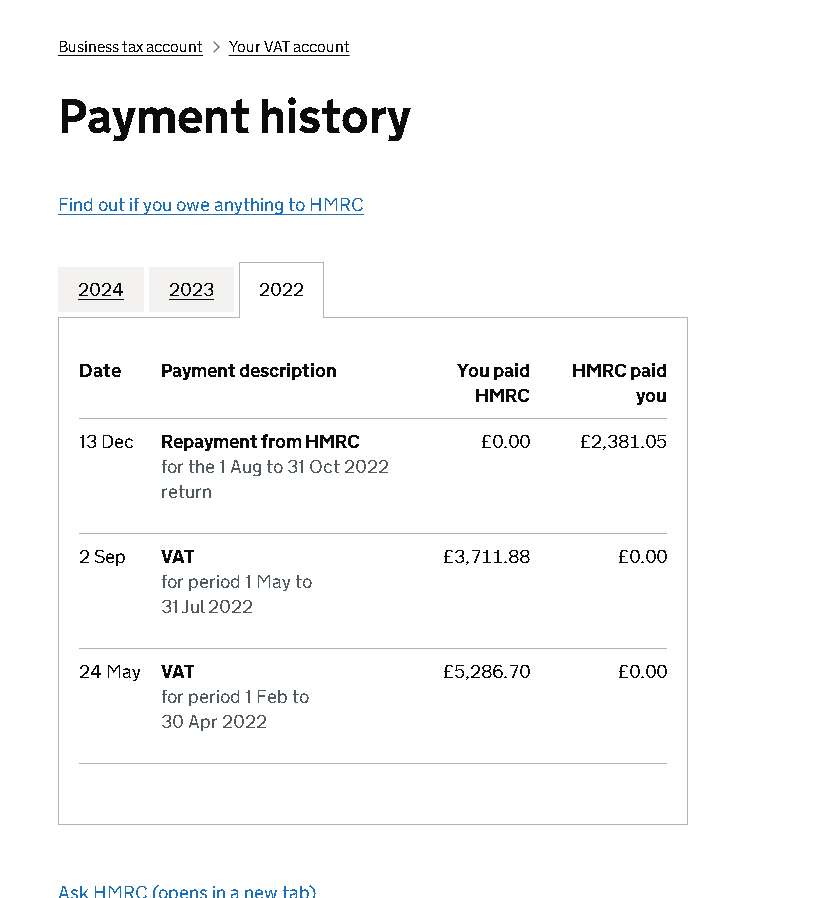
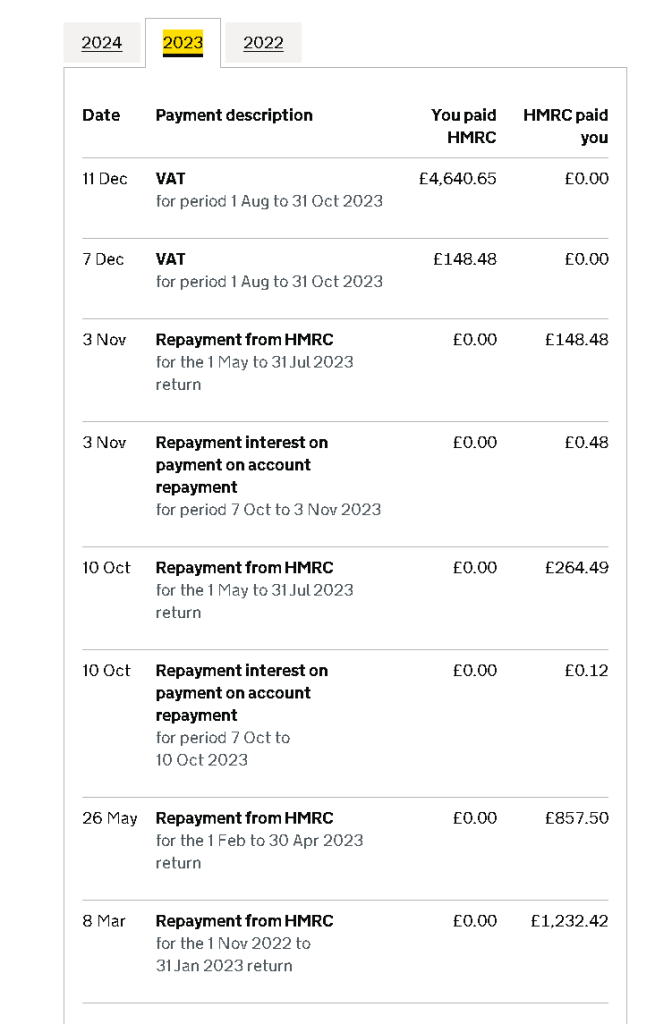
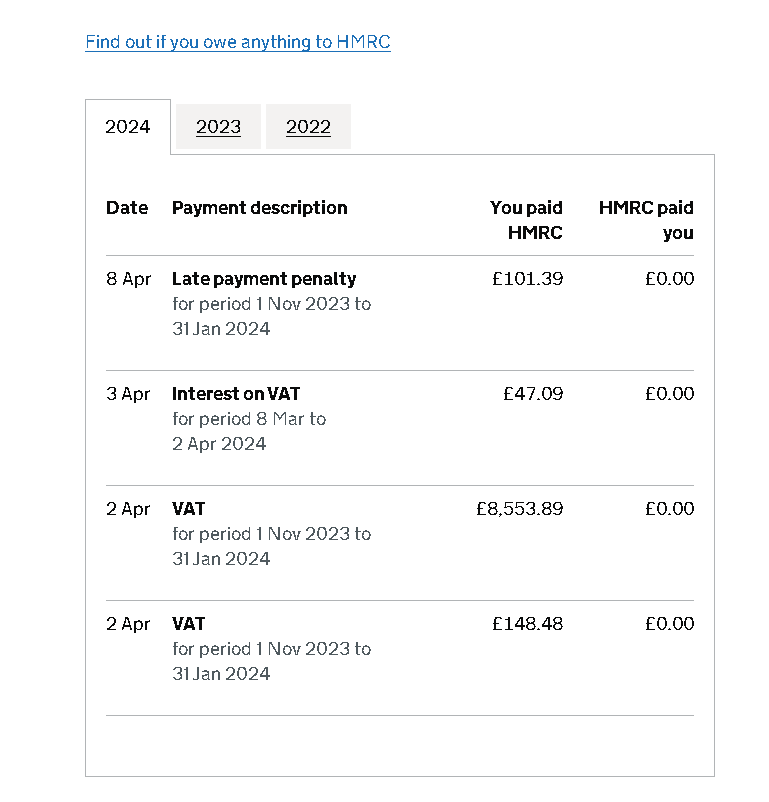
Total 20k not 40k a year > not all have VAT
Personal Assesment Game
Imported from rifaterdemsahin.com · 2024