Using the evolve keyword rather than release on demand in devaiops
Why "Evolve" is the New "Release" in DevOps
In the dynamic world of software development, the language we use often shapes our mindset and practices. This is particularly true in DevOps, where the rapid evolution of technologies demands equally agile linguistic adaptability. A significant shift is occurring from using the term "release" to "evolve" in DevOps. This change is not just semantic; it represents a deeper transformation in how development and operations teams approach product lifecycles.
The Limitations of "Release"
Traditionally, the term "release" in software development has been associated with the final stage of a development process, where software becomes available to users. This term carries connotations of finality and completeness, suggesting that the product is a finished artifact, ready for delivery. However, in the continuous integration and continuous deployment (CI/CD) practices central to DevOps, this concept of finality seems increasingly outmoded.
"Release" implies a significant event that often includes version cuts, extensive testing, and a formal rollout. This can encourage a mindset where teams work toward infrequent, large updates. Such an approach may not only slow down the development process but also increase the risks associated with each release due to the bulk of changes being pushed at once.
Embracing "Evolve"
The term "evolve" reflects a more fluid, ongoing process of change. In biological terms, evolution is the gradual development of traits and features over successive generations. When applied to software, "evolve" suggests a product that is continually adapting and improving, rather than moving between static states. This is a paradigm shift towards seeing software not as a series of versions and releases but as a living entity that grows and adapts over time.
Continuous Improvement
By adopting "evolve" as a keyword, teams can foster a culture of continuous improvement. This aligns perfectly with Agile methodologies and DevOps principles, which emphasize iterative development, regular feedback, and frequent adaptation. A product that "evolves" is always under refinement, reducing the pressure on teams to make everything perfect in a single release cycle.
Risk Reduction
Shifting to an "evolve" mindset also helps in managing risks more effectively. Smaller, more frequent updates allow for issues to be addressed as they arise, rather than waiting for the next big release. This not only minimizes the impact of any single problem but also allows for quicker pivots in response to user feedback or changing market conditions.
Enhanced Collaboration
Using "evolve" emphasizes the collaborative nature of DevOps. It underlines the idea that development, operations, and other stakeholders are engaged in a continuous dialogue, working together to nurture and refine the product. This can lead to more dynamic team interactions and a more integrated approach to development and deployment.
Implementing an "Evolve" Strategy
To successfully implement this strategy, teams need to adjust both their tools and their mindset:
-
Tooling: Invest in tools that support continuous monitoring, testing, integration, and deployment. These tools should facilitate rapid changes and easy rollback options.
-
Processes: Develop processes that allow for quick decision-making and flexibility. Encourage teams to adopt practices that reduce lead times for changes and feature implementations.
-
Culture: Foster a culture that values learning and experimentation. Teams should feel encouraged to try new things, learn from their mistakes, and iterate on their successes.
Conclusion
In conclusion, adopting "evolve" over "release" in DevOps is more than just a change of terminology—it's about embracing a philosophy that is better suited to the fast-paced, user-centered, and iterative nature of modern software development. By viewing software as an evolving entity, teams can become more adaptive, responsive, and ultimately more successful in meeting the needs of their users. This shift can lead to not just better software but also more dynamic and innovative development cultures.
Sell direction > devaiops

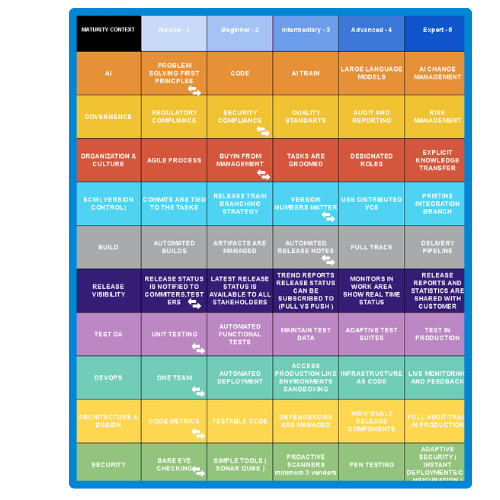
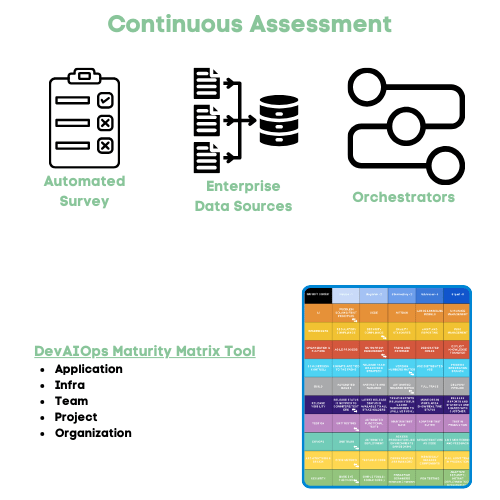
set the direction on devops.engineering
more and more coming on mvp state and needs to evolve
Imported from rifaterdemsahin.com · 2024