Comparing Conjur and HashiCorp Vault: Which is Best for Your Security Needs?
In the world of DevOps, managing secrets and protecting sensitive data is crucial. Two popular tools that help in this endeavor are Conjur from CyberArk and HashiCorp Vault. Both tools offer robust solutions for secrets management, but they have distinct features that may make one more suitable than the other depending on your specific needs. This blog post dives into the functionalities, use cases, and differences between Conjur and HashiCorp Vault to help you decide which tool is best for your organization.
What is Conjur?
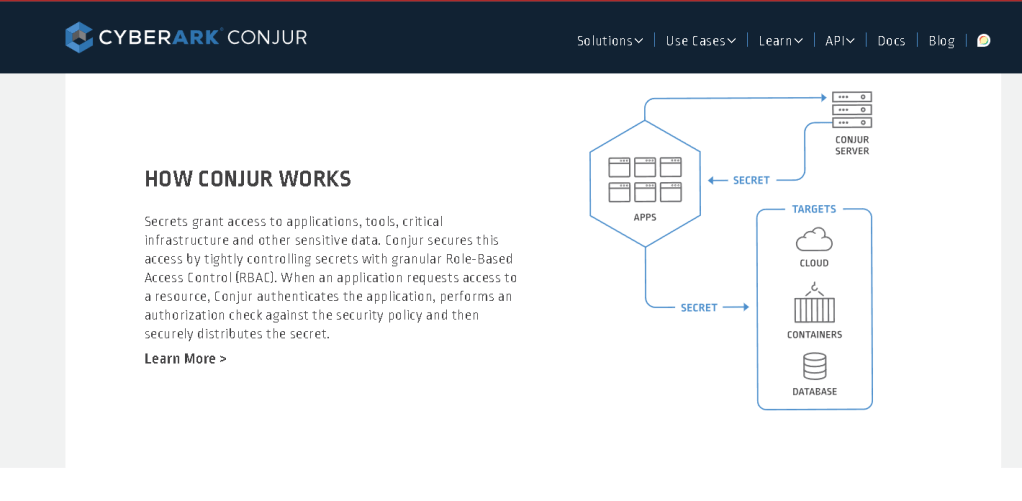
Conjur, developed by CyberArk, is a security service that manages secrets and other sensitive data. It is designed specifically for containerized environments and can be integrated seamlessly with popular orchestration tools like Kubernetes and OpenShift. Conjur focuses heavily on securing dynamic and scalable environments and is particularly strong in handling identity-based access to secrets.
What is HashiCorp Vault?
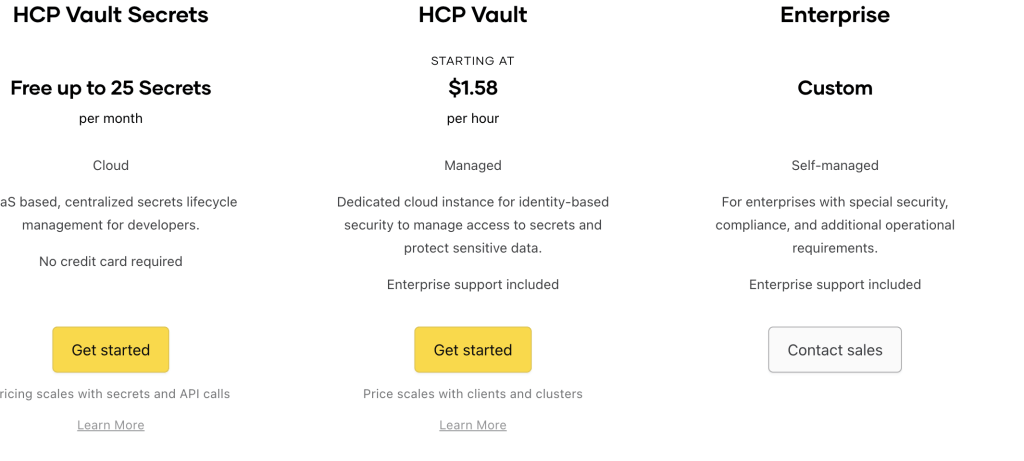
HashiCorp Vault, on the other hand, is a tool to securely access secrets and other sensitive data. Vault encrypts sensitive information and provides tight access controls to manage who can and cannot access these secrets. It supports multiple backends, including cloud environments, and offers features like dynamic secret generation, data encryption, leasing and renewing, and revocation.
Key Features Comparison
-
Secrets Management
-
Conjur: Provides robust mechanisms for storing and accessing secrets with a strong focus on identity management and machine-to-machine authentication.
-
HashiCorp Vault: Offers comprehensive features for secrets management, including dynamic secrets, which are generated on the fly and can be automatically revoked.
-
Integration with Infrastructure
-
Conjur: Easily integrates with modern DevOps environments and configuration management tools. It is optimized for high scalability in containerized deployments.
-
HashiCorp Vault: Supports a wide array of infrastructure platforms and can integrate with numerous applications and systems, providing more flexibility in non-containerized environments.
-
Access Controls
-
Conjur: Uses role-based access control (RBAC) and allows for defining policies that dictate who can access which secrets, based on roles and responsibilities within an organization.
-
HashiCorp Vault: Features fine-grained access control mechanisms and can handle multiple authentication methods, including tokens, username/password, and multi-factor authentication.
-
Ease of Use
-
Conjur: Offers a straightforward setup for users who are specifically managing containerized environments, making it less cumbersome for those embedded in a Kubernetes ecosystem.
-
HashiCorp Vault: While it can be complex to set up due to its extensive capabilities, its flexibility makes it a strong candidate for organizations with diverse environments.
Use Cases
-
Conjur is ideal for organizations that are heavily invested in containerized environments and require a solution that scales dynamically with their deployment architecture.
-
HashiCorp Vault is suited for organizations that need a versatile secrets management tool that can handle complex and heterogeneous environments, and who require detailed audit trails and compliance reporting.
Conclusion
Choosing between Conjur and HashiCorp Vault largely depends on your organization's specific requirements. If your priority is seamless integration with container orchestration and managing machine identities, Conjur might be the better fit. However, if you need a more versatile solution that accommodates a broader range of environments and offers dynamic secrets capabilities, HashiCorp Vault could be the way to go. Both tools offer strong security features, so your choice should align with your operational needs and security priorities.
Contact Simplier in USA
Imported from rifaterdemsahin.com · 2024