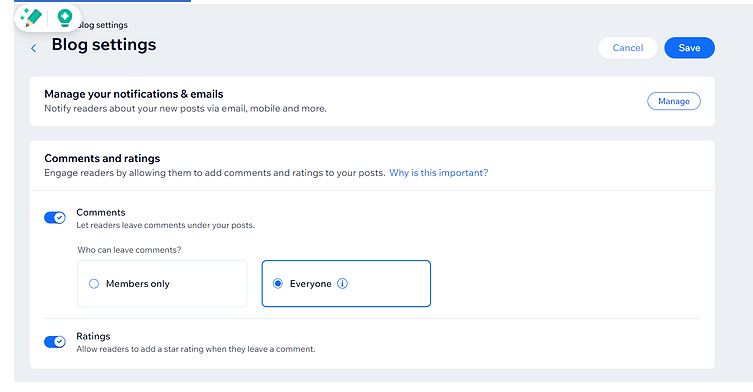
Enabled comments and rating to have the customer discovery
The continuous evolution of data analytics technology has provided businesses with unprecedented opportunities to harness the power of data for strategic decision-making. Let's delve deeper into some key aspects that underline the importance of your argument and explore additional considerations for companies embarking on this journey.
The Importance of Data-Driven Decision Making
-
Real-Time Insights: In the digital age, consumer behaviors and market trends evolve rapidly. Real-time data analytics allow businesses to make decisions that are timely and relevant, thereby providing a competitive edge.
-
Personalized Customer Experiences: Data analytics enable businesses to understand individual customer preferences and behaviors at a granular level. This understanding can drive the creation of personalized experiences, which are crucial for customer retention and satisfaction.
-
Predictive Analytics: Beyond understanding current customer behaviors, predictive analytics can forecast future trends and behaviors. This allows businesses to anticipate customer needs and develop products and services that meet these future demands.
-
Operational Efficiency: Data isn't just about understanding customers; it's also about optimizing operations. Analytics can identify inefficiencies in business processes, enabling companies to reduce costs and improve productivity.
Challenges and Considerations
While the benefits are clear, there are challenges and considerations that businesses must navigate:
-
Data Privacy and Security: Collecting and storing customer data comes with the responsibility of ensuring its security and compliance with data protection regulations (e.g., GDPR, CCPA). Businesses must invest in robust security measures and be transparent with customers about how their data is used.
-
Data Quality: The insights derived from data analysis are only as good as the data itself. Companies must establish processes to ensure the accuracy, completeness, and consistency of the data they collect.
-
Skill Set and Infrastructure: Effective data analysis requires both the right technology and the right talent. Companies need to invest in analytics tools and platforms, as well as in training or hiring staff with the necessary analytical skills.
-
Ethical Considerations: As companies gain deeper insights into customer behaviors and preferences, they must navigate the ethical implications of how this information is used. It's important to balance business interests with respect for customer privacy and autonomy.
Final Thoughts
The journey towards becoming a data-driven organization is both challenging and rewarding. It requires a strategic approach to data collection, analysis, and utilization. However, with the right practices in place, the benefits for customer understanding, operational efficiency, and strategic foresight can be significant. As we move forward in the digital age, the ability to effectively leverage data will continue to be a key determinant of business success.
Imported from rifaterdemsahin.com · 2024