DevOps Engineer waiting times at OVF creation
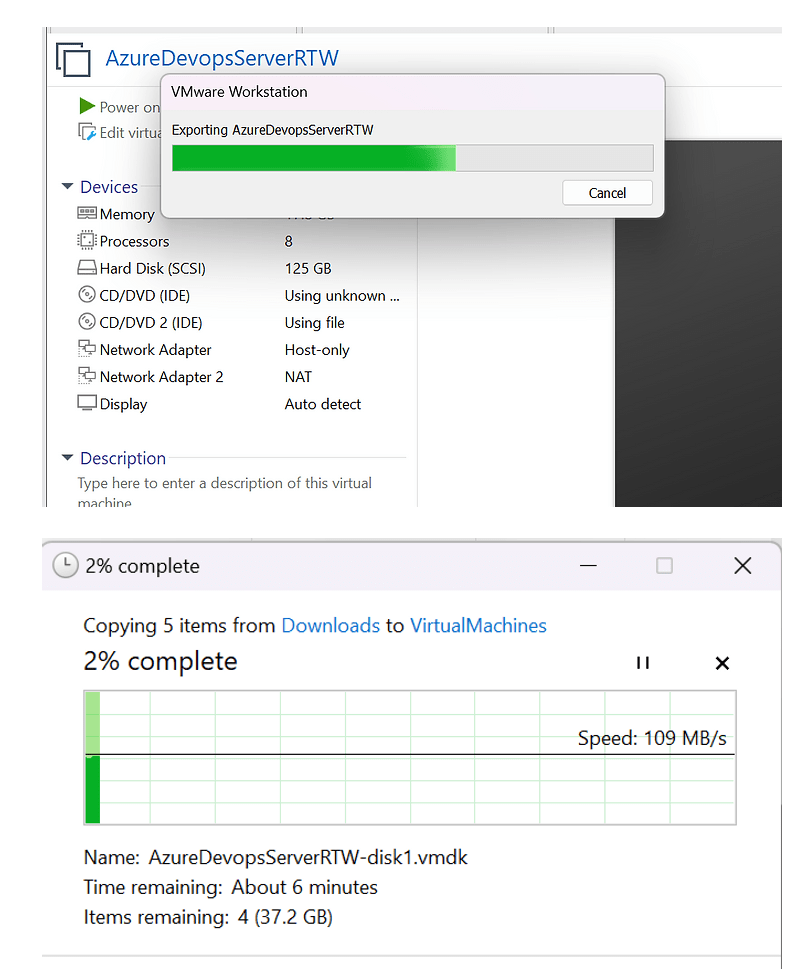
You've outlined a nuanced view of the factors that contribute to the waiting time for creating an Open Virtualization Format (OVF) and proposed several solutions to mitigate these delays. OVF is a standard for packaging and distributing software applications for virtual machines, and the efficiency of its creation process is crucial for DevOps operations, particularly in environments that rely heavily on virtualization and cloud services.
Here's a deeper look into the aspects you've mentioned and additional considerations:
Size and Complexity of the OVF
The size and complexity of the OVF package directly influence the time required for creation and deployment. Larger and more complex applications require more time for packaging into an OVF template, especially if they involve multiple virtual machines or complex configurations.
Solutions:
-
Automation Tools: Utilize automation tools for packaging and deploying OVF templates. These tools can streamline the process, reduce errors, and save time.
-
Modularization: Break down complex applications into smaller, modular components that can be packaged and deployed independently. This approach not only simplifies the creation of OVF templates but also makes the applications more manageable and scalable.
Availability of Resources
The availability of computational resources and infrastructure can significantly impact the OVF creation process. Limited resources can lead to bottlenecks, especially in environments with high demand for virtualization tasks.
Solutions:
-
Resource Scaling: Leverage cloud-based resources that can be scaled up or down based on demand. This flexibility can help accommodate spikes in workload without requiring permanent investment in hardware.
-
Resource Optimization: Implement resource management strategies to optimize the use of existing resources. Techniques such as load balancing and resource pooling can help ensure that available resources are used efficiently.
Demand for DevOps Engineer's Services
High demand for a DevOps engineer's services can lead to longer waiting times, as the engineer may be juggling multiple tasks and projects.
Solutions:
-
Prioritization and Scheduling: Implement a system for prioritizing projects and tasks based on their urgency and importance. This can help ensure that critical tasks are addressed promptly.
-
Team Expansion: As you suggested, hiring additional DevOps engineers can help distribute the workload more evenly and reduce waiting times. However, it's also important to ensure that the team has the right mix of skills and expertise to handle the diversity of tasks efficiently.
Got any questions ask in Linkedin > https://www.linkedin.com/in/rifaterdemsahin/
Imported from rifaterdemsahin.com · 2024