Hackerrank Challange
It looks like you're setting up an Objective and Key Results (OKRs) framework for securing a contract offer based on achieving a certain score on HackerRank. This framework is aimed at guiding you through the necessary steps to improve your skills, specifically targeting HackerRank challenges to bolster your coding proficiency. Here's how you can structure and approach your OKRs:
Objective:
Secure a contract offer by achieving a high score on HackerRank.
Key Results:
1. Complete the Training
-
Action Steps:
-
Identify and enroll in online courses or tutorials that focus on the languages and topics covered in HackerRank assessments.
-
Set a daily or weekly learning schedule to consistently engage with the material.
-
Utilize resources like Pluralsight for structured learning paths and incorporate tools like Miro for planning your study schedule and tracking progress.
-
Practice coding problems on platforms similar to HackerRank to broaden your understanding.
2. Earn the Certification
-
Action Steps:
-
Once you're comfortable with your training progress, aim for a certification that's recognized in your industry and relevant to the skills assessed by HackerRank.
-
Use practice exams and study groups to prepare for the certification exam.
-
Schedule the certification exam in advance to give yourself a clear deadline for preparation.
3. Succeed on the Third Attempt
-
Mindset for Success:
-
First Attempt: View it as an exploratory phase where your main goal is to understand the type and difficulty of questions asked, without stressing about the score.
-
Second Attempt: Use the insights gained from your first try to focus on your weak areas. This is your "runway" to build up speed - focus on practicing problems that challenge you the most.
-
Third Attempt: With the knowledge from your failures and focused practice, give it your all. Treat this attempt as a concentrated 3-day final push where you review key concepts, practice your weakest problems, and sharpen your problem-solving speed and accuracy.
Actionable Tips:
-
Feedback Loops: After each practice session or test, spend time reviewing your answers, especially the incorrect ones. Understand where you went wrong and how to approach similar problems differently in the future.
-
Consistency Over Intensity: It's better to practice a little every day than to cram a lot of information sporadically. Building a daily habit will improve your coding skills more steadily over time.
-
Health is Wealth: Don't forget to take care of your physical and mental health during this intense preparation period. Regular breaks, exercise, and adequate sleep are crucial for maintaining peak performance.
By following this structured approach and continuously refining your strategies based on feedback from your attempts, you'll be well on your way to achieving your objective. Remember, resilience and adaptability are key to overcoming challenges and achieving your goals.
GCP is the case this time
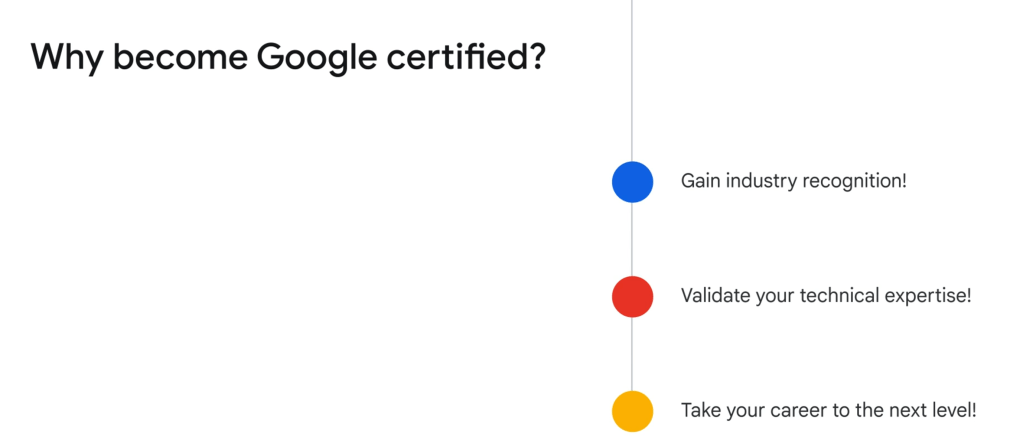
Handson associate person
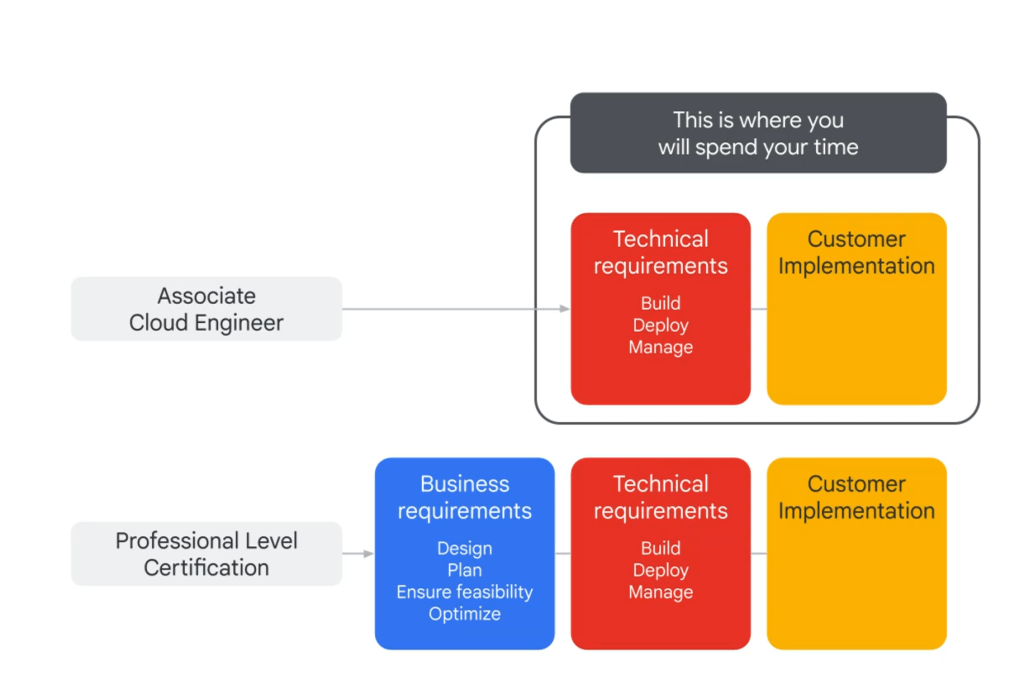
Roadmap
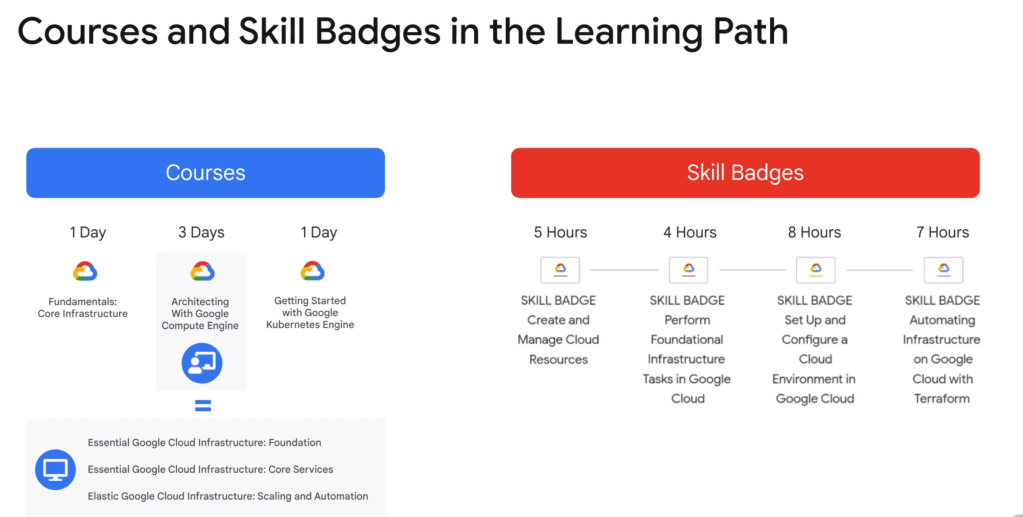
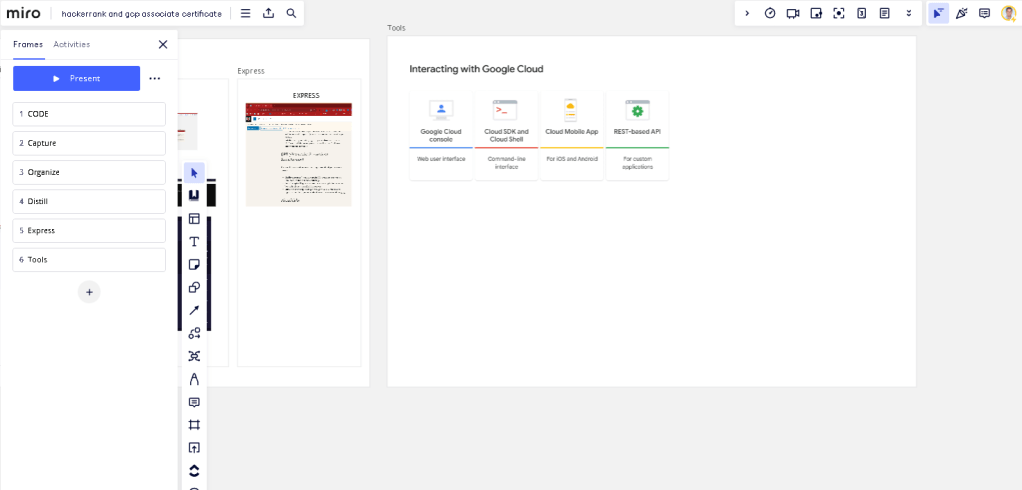
Miro board is on
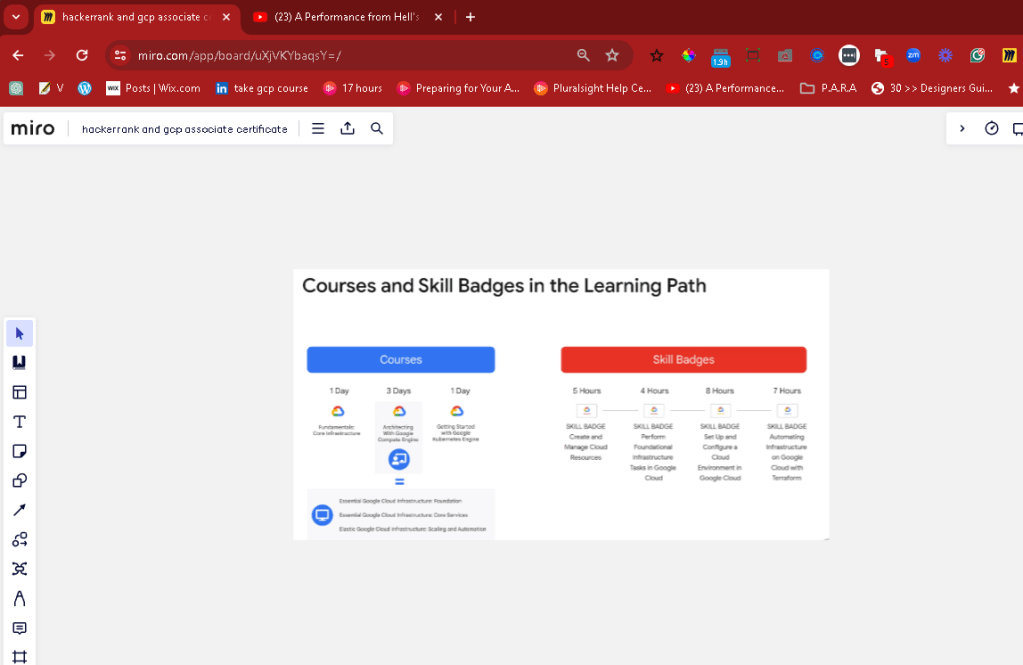
Key value logic is there for certification and the hackerrank probably market asks for it let go for it oin our own way
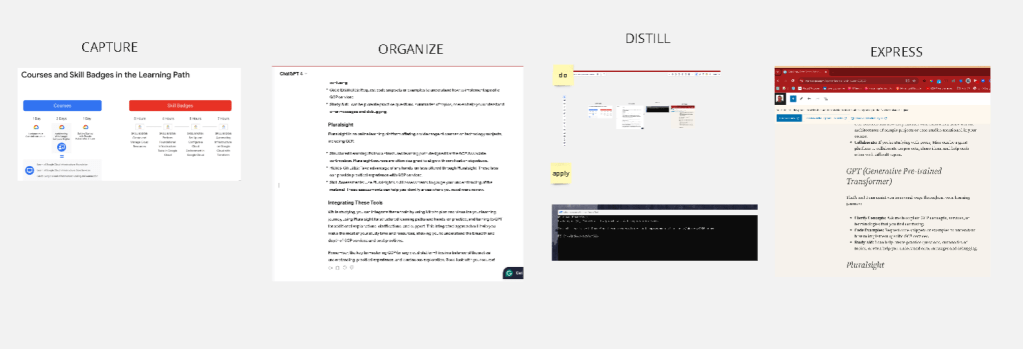
Starting a course on Google Cloud Platform (GCP) as an associate level is a great move towards understanding cloud technologies and enhancing your career in cloud computing. Utilizing tools like Miro, GPT (like this one!), and Pluralsight is an excellent strategy to deepen your understanding and effectively manage your learning process. Here's how you can leverage each tool to maximize your learning experience:
Miro
Miro is a collaborative online whiteboard platform designed to enable distributed teams to work effectively together. It can be particularly useful for mapping out your learning journey, creating visual aids to understand complex cloud architectures, or even brainstorming project ideas.
-
Organize Your Learning Path: Use Miro to create a visual roadmap of your GCP Associate course syllabus. You can break down the course into modules, topics, and key areas you need to focus on.
-
Visual Learning: Diagrams and flowcharts can help you understand GCP services and how they interact with each other. Draw out the architectures of sample projects or case studies mentioned in your course.
-
Collaborate: If you're studying with peers, Miro can be a great platform to collaborate on projects, share ideas, and help each other with difficult topics.
GPT (Generative Pre-trained Transformer)
That's me! I can assist you in several ways throughout your learning journey:
-
Clarify Concepts: Ask me to explain GCP concepts, services, or terminologies that you find confusing.
-
Code Examples: Request code snippets or examples to understand how to implement specific GCP services.
-
Study Aid: I can help create practice questions, summaries of topics, or even help you understand error messages and debugging.
Pluralsight
Pluralsight is an online learning platform offering a wide range of courses on technology subjects, including GCP.
-
Structured Learning: Follow a structured learning path designed for the GCP Associate certification. Pluralsight courses are often designed to align with certification objectives.
-
Hands-On Labs: Take advantage of any hands-on labs offered through Pluralsight. These labs can provide practical experience with GCP services.
-
Skill Assessments: Use Pluralsight’s skill assessments to gauge your understanding of the material. These assessments can help you identify areas where you need more review.
Integrating These Tools
While studying, you can integrate these tools by using Miro to plan and visualize your learning journey, using Pluralsight for structured learning paths and hands-on practice, and turning to GPT for additional explanations, clarifications, and support. This integrated approach will help you make the most of your study time and resources, allowing you to understand the breadth and depth of GCP services and best practices.
Remember, the key to mastering GCP (or any cloud platform) lies in a balance of theoretical understanding, practical experience, and continuous exploration. Good luck with your course!
4 tools and multiple screens to do it
Pluralsight give is it ready to dublicate
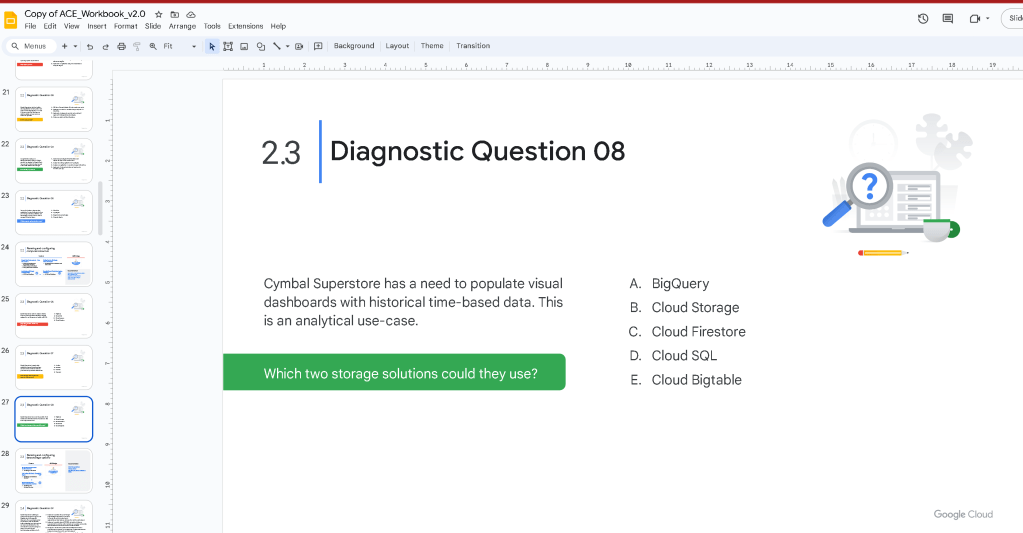
Certificates to help with the questions
Added hacker rank into the projects
Steps comnpletion where hero helps
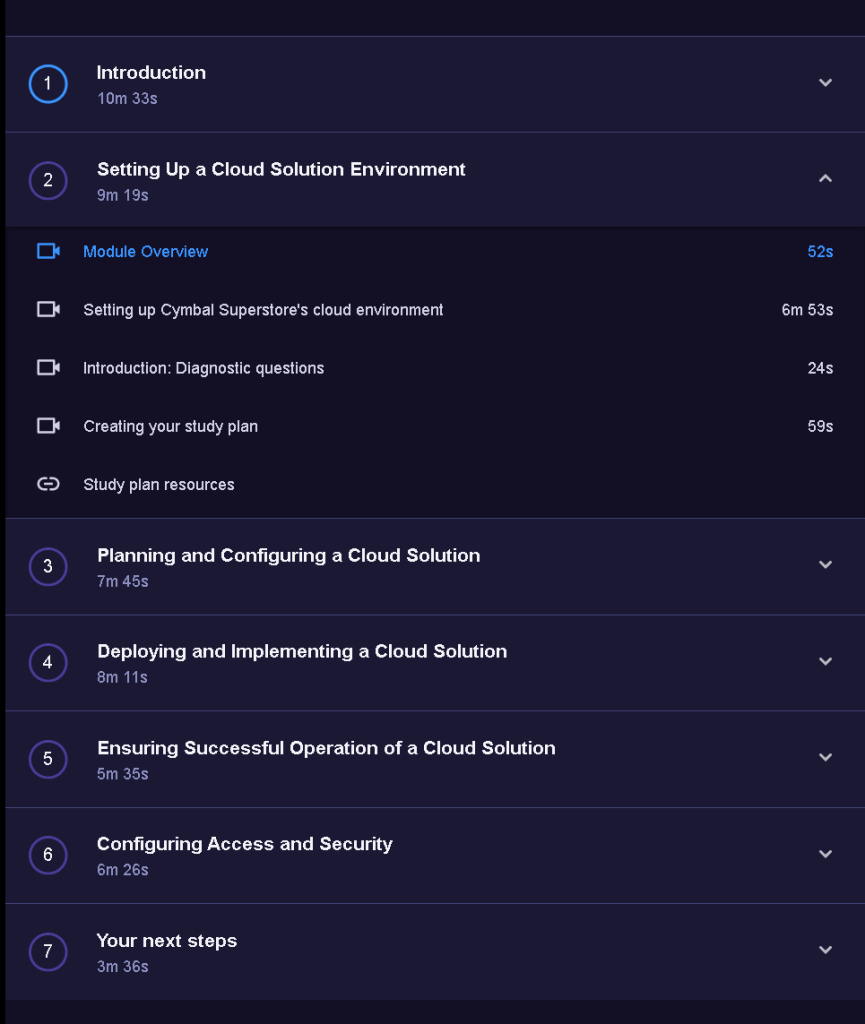
Framebuild up in miro
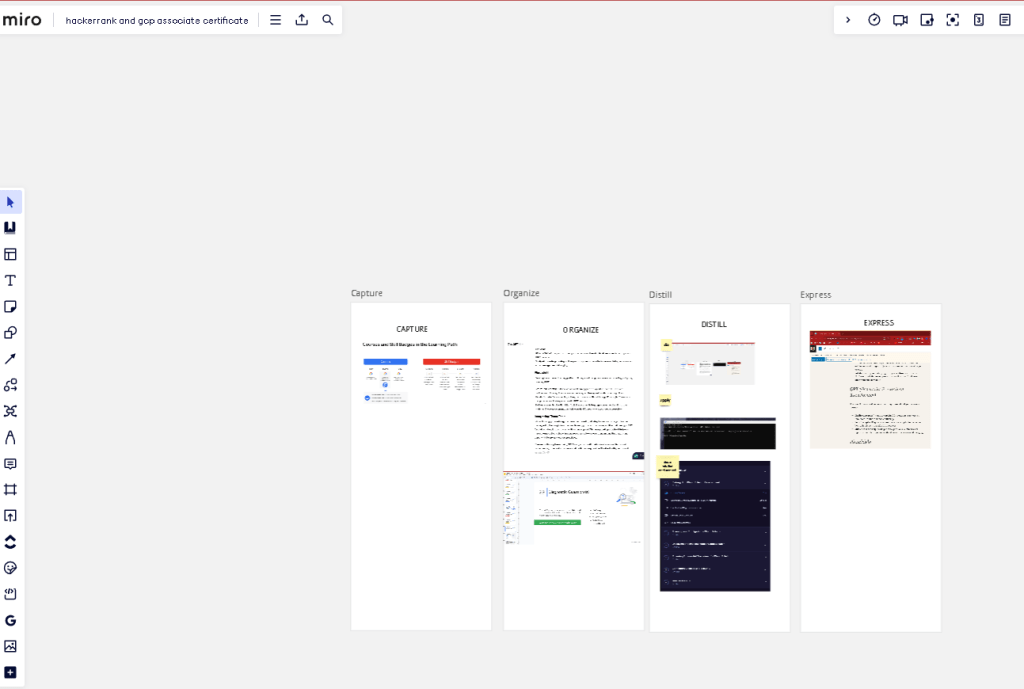
Google has different DSL Coming in in devops where everyone names differently
Billing to be different and learning could help
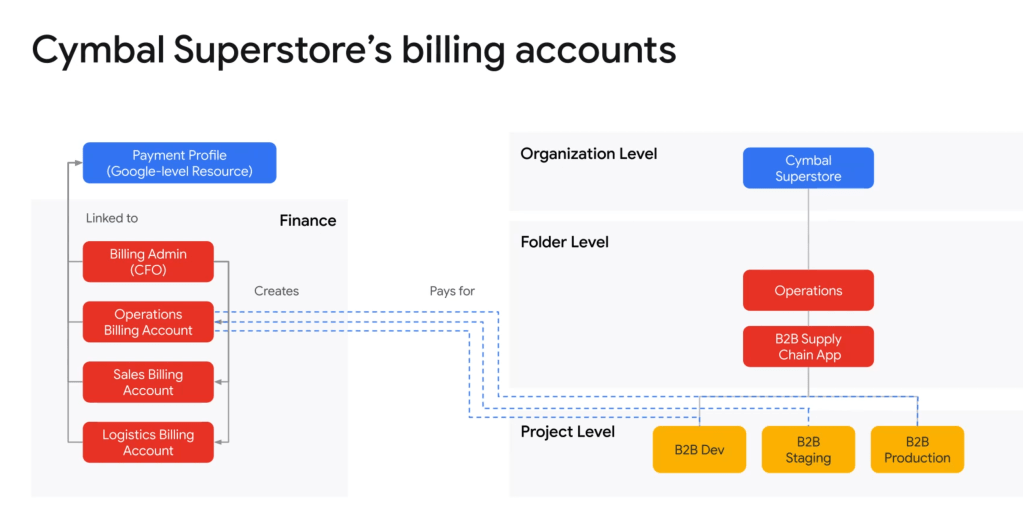
new frames coming on
uk not leading GCP
World is also similar
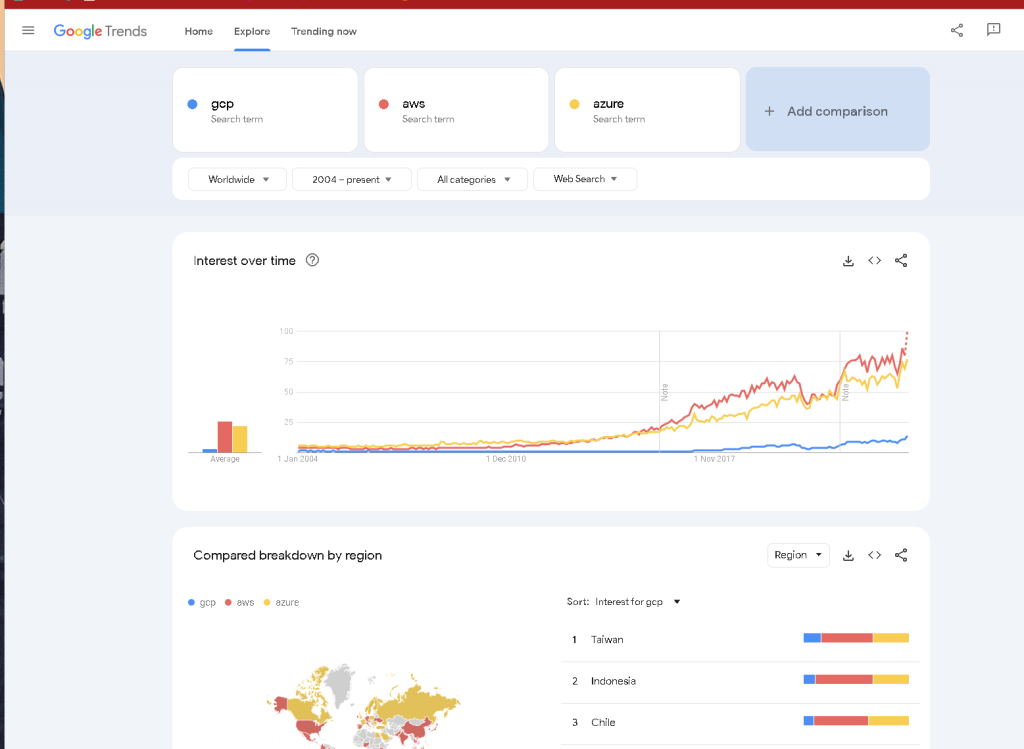
https://trends.google.com/trends/explore?date=all&q=gcp,aws,azure&hl=en-GB
for GCP, AWS, and Azure by visiting the Google Trends website yourself. There, you'll be able to compare the search interest over time for these three cloud services. This kind of trend analysis can offer insights into the relative popularity, growing demand, or shifts in the market's interest among these platforms globally or in specific regions. For a detailed analysis, please visit the provided Google Trends URL.
Book markes piling up

on the side whatsapp is open
There is a different story with every enterprise
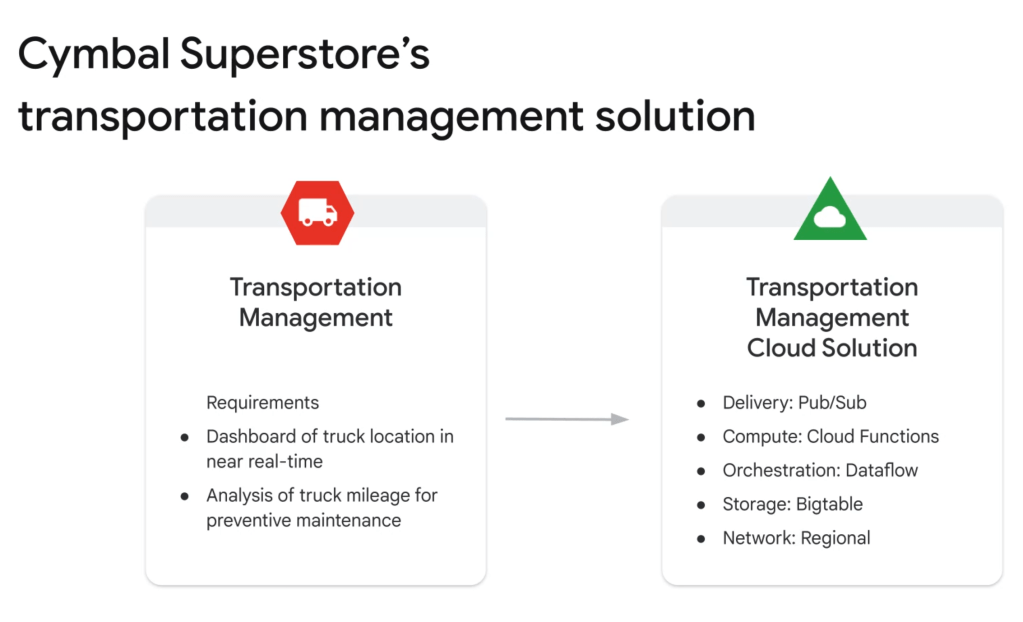
Need to have the google cloud alternative for the state machine as well >>> aws step function should also be able to do what the logic apps can do. So the release train engineering continues
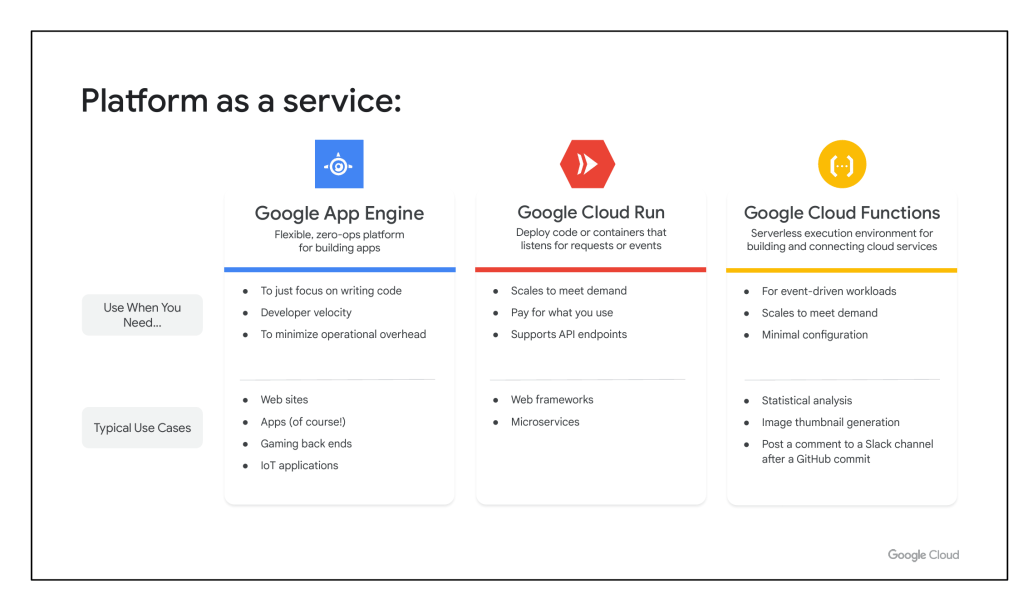
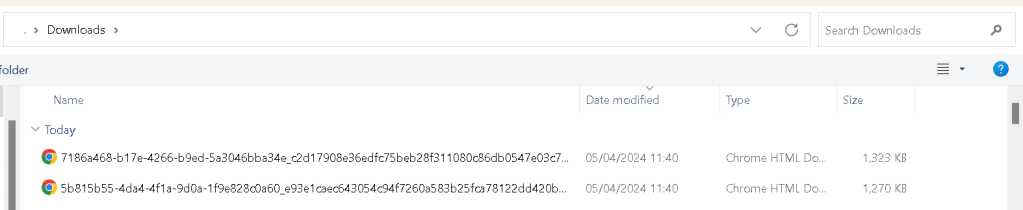
Downloading pdfs >
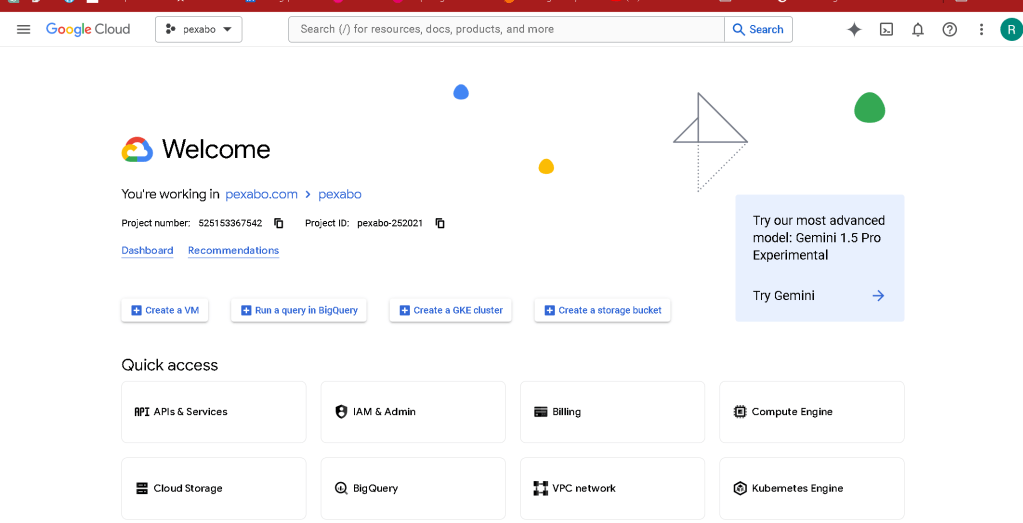
My console
Gemini is there
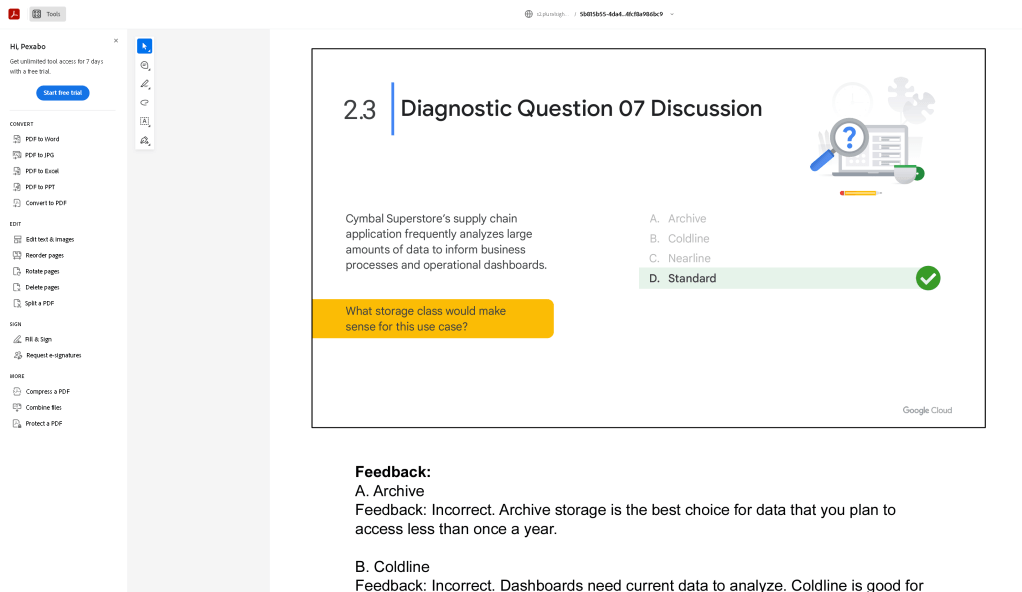
more pdf to come
GCP more ingress issues coming in
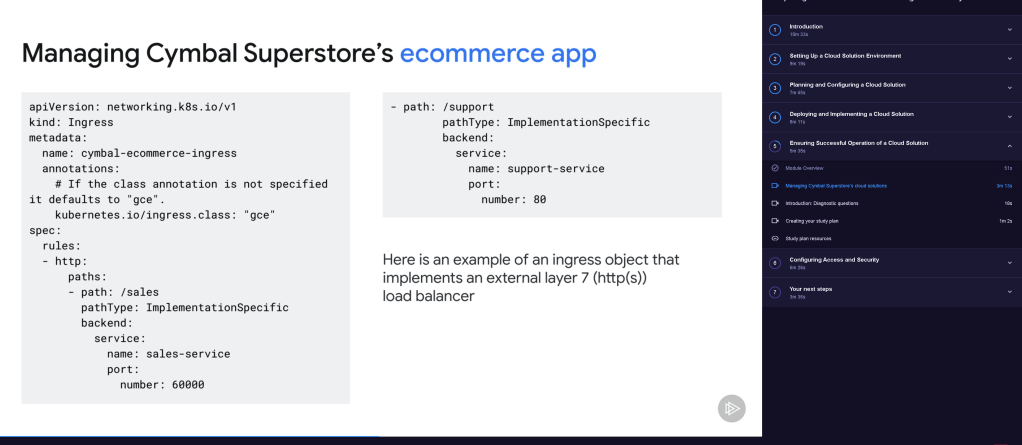
different languages to use to query it
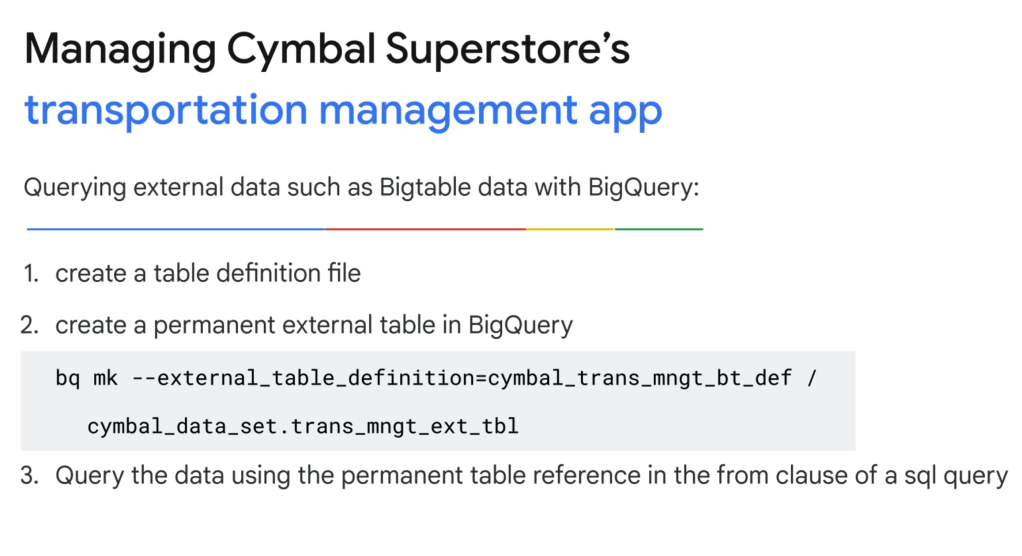
Writing on whatsapp to keep going to the mind > hacked
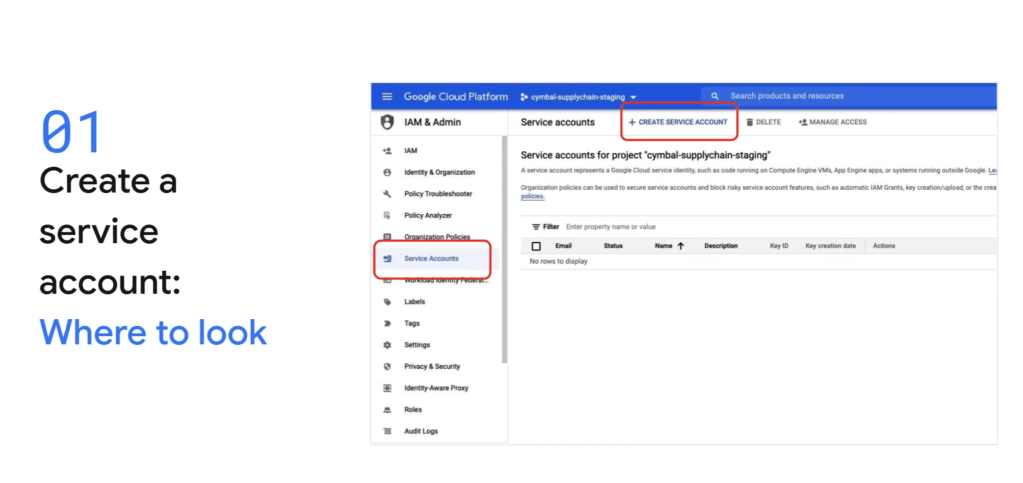
I have created the service accounts to process the bulk emails for the recruiters
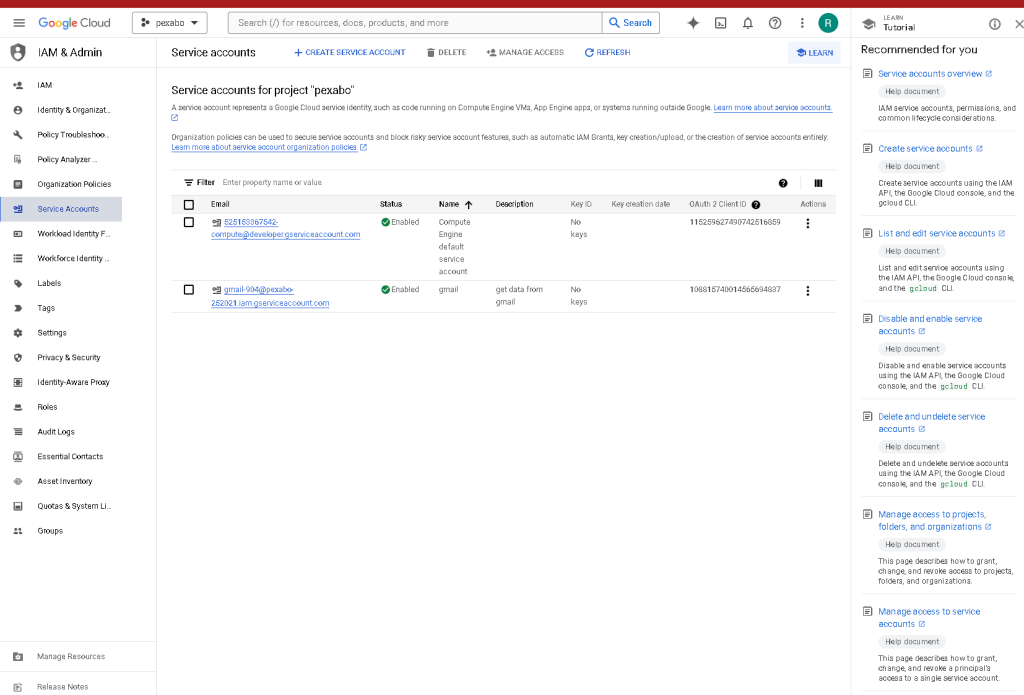
it takes time to load and see my action
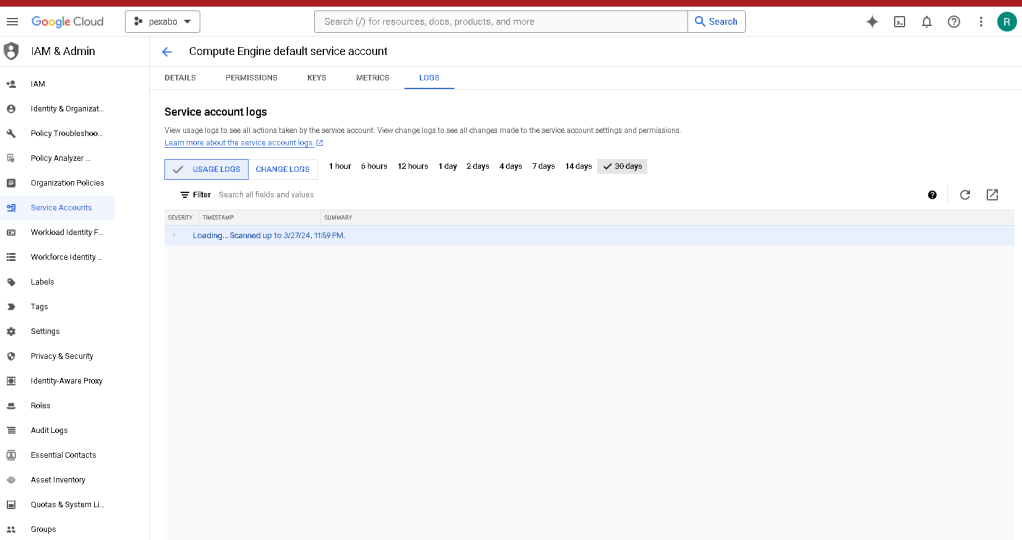
deleted after a while >>> dynamic
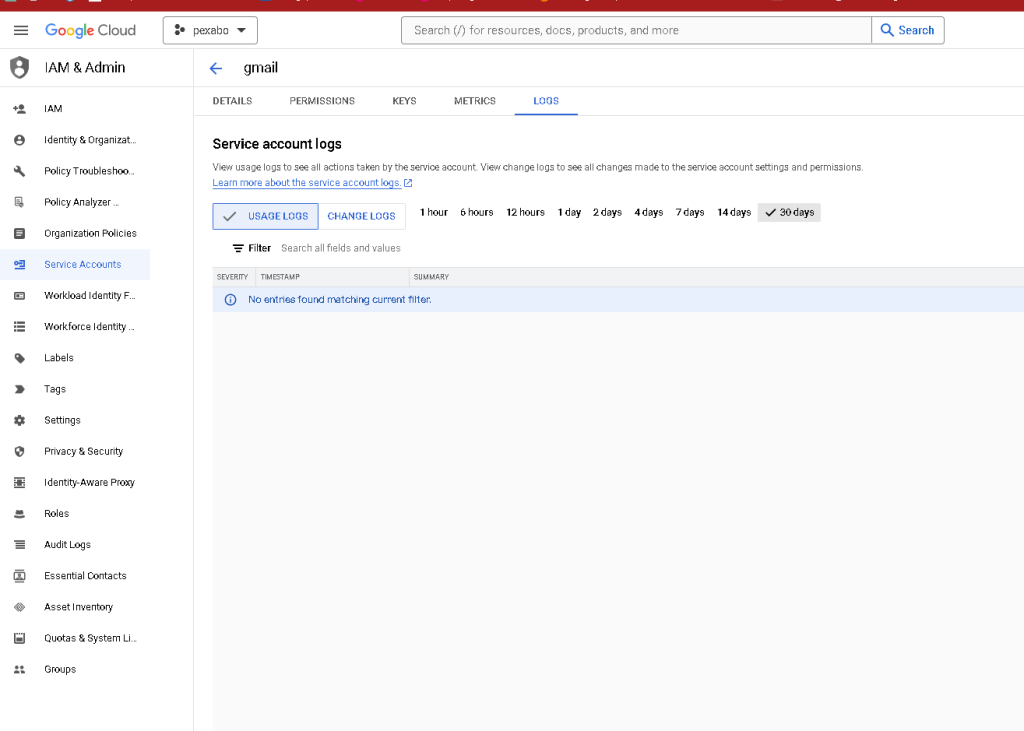
Courses supported by google the vendor where they have to sell sell sell

Last slide has all the links
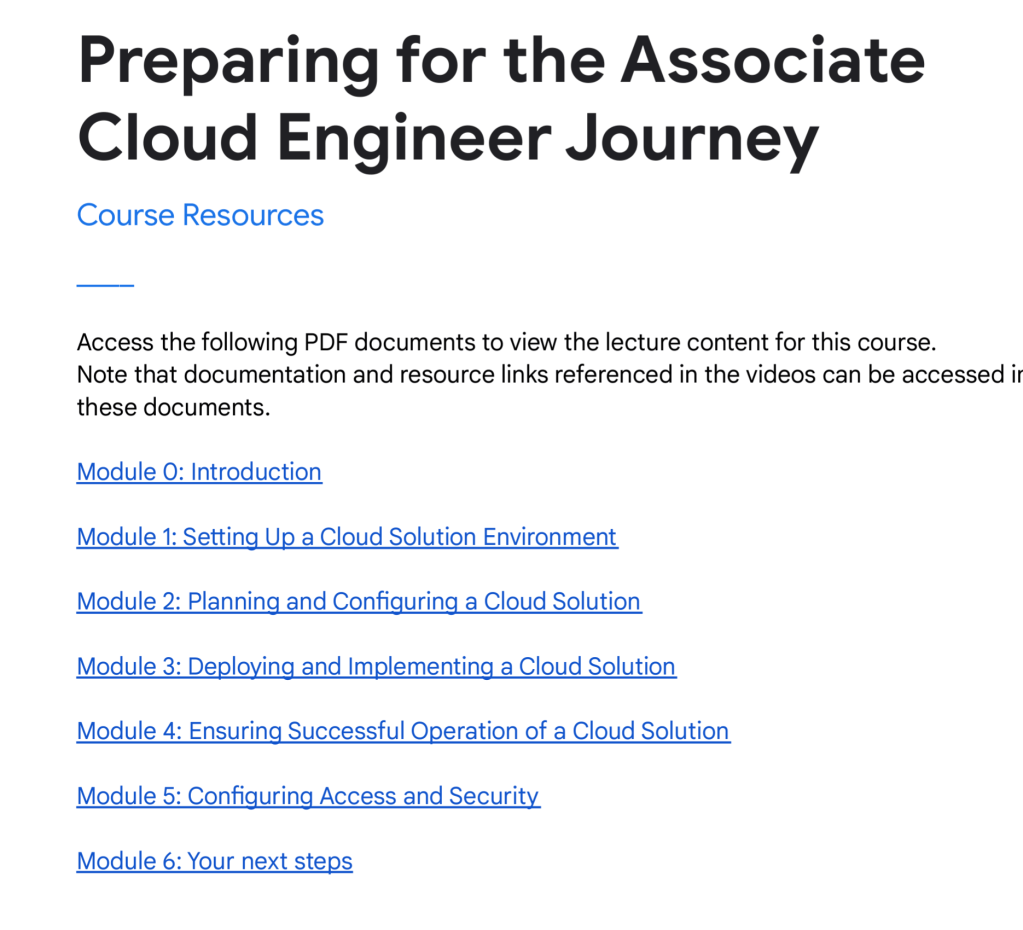
Sell role than tech
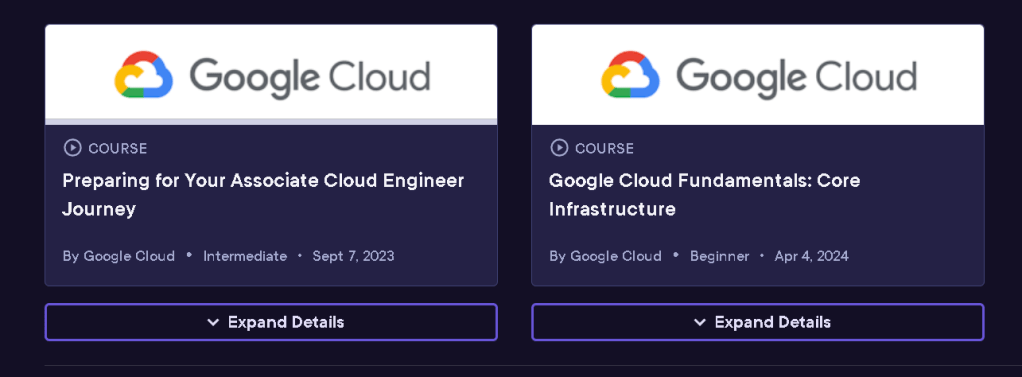
more symbols coming in
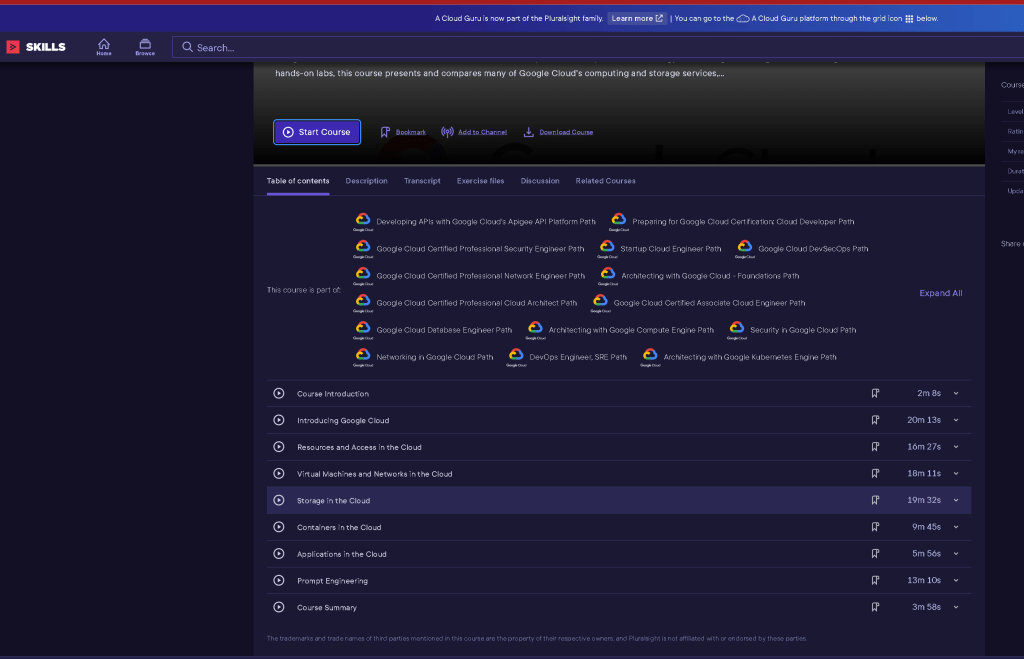
new terms for copy paste
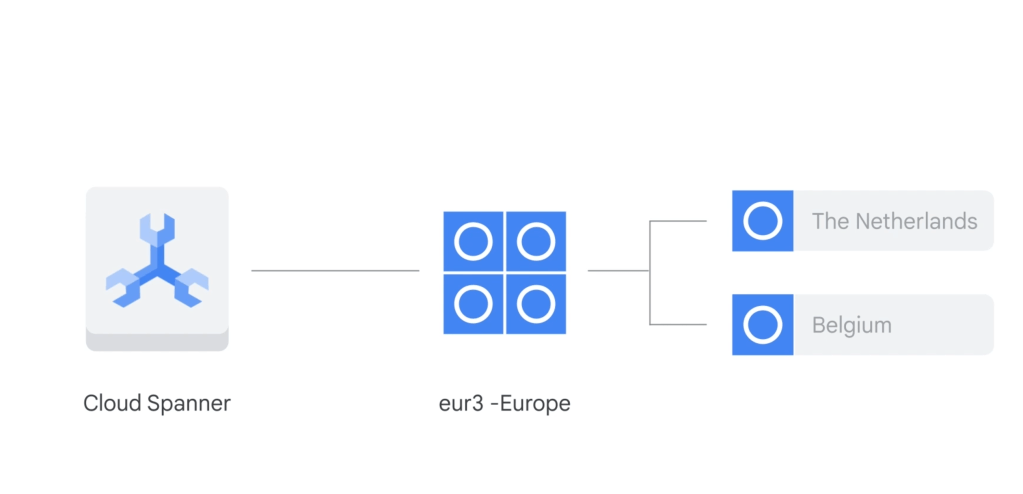
different isos
From time to time there is start 3 button is there
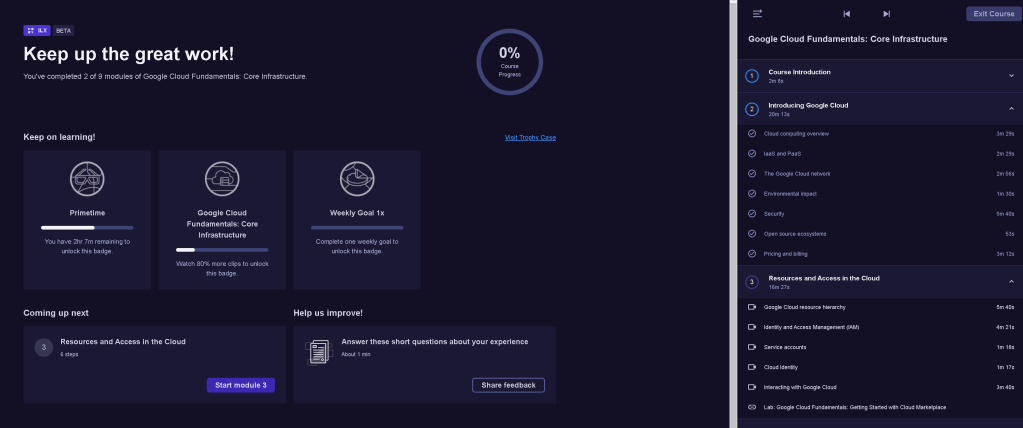
Google DSL by project names
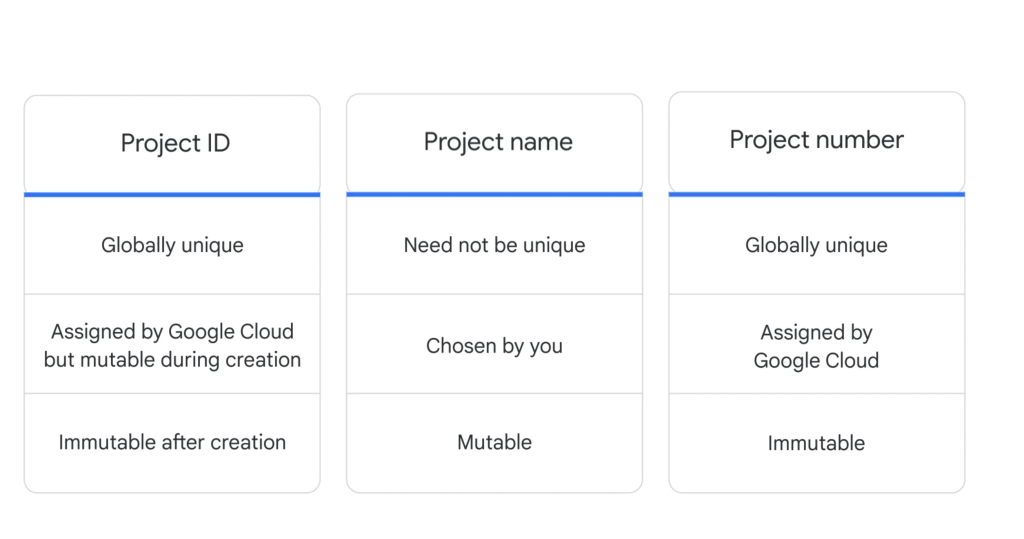
Project and node
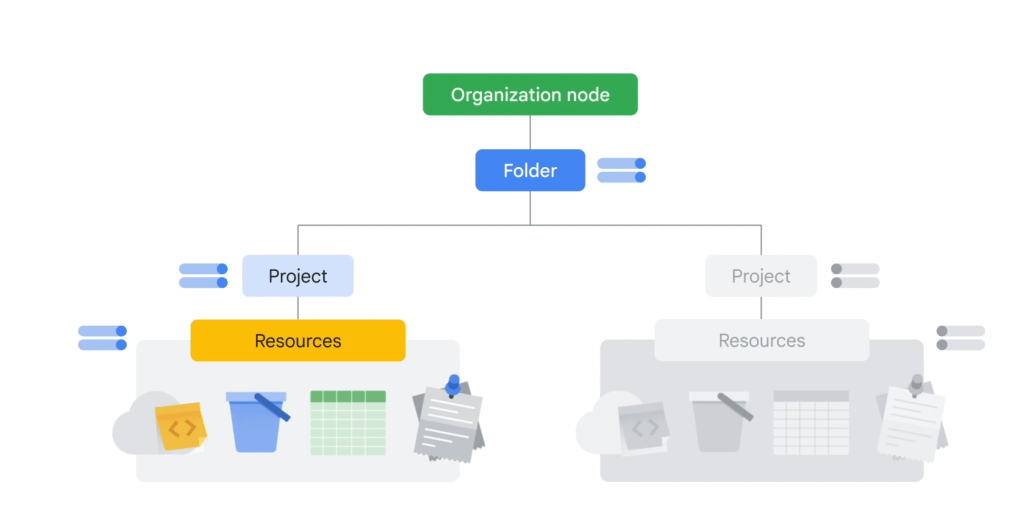
everyone givess access different ways
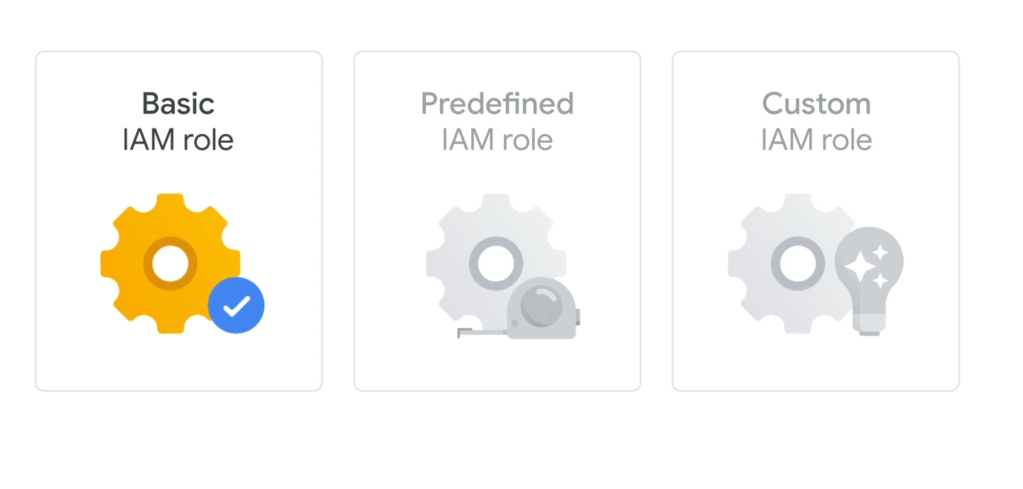
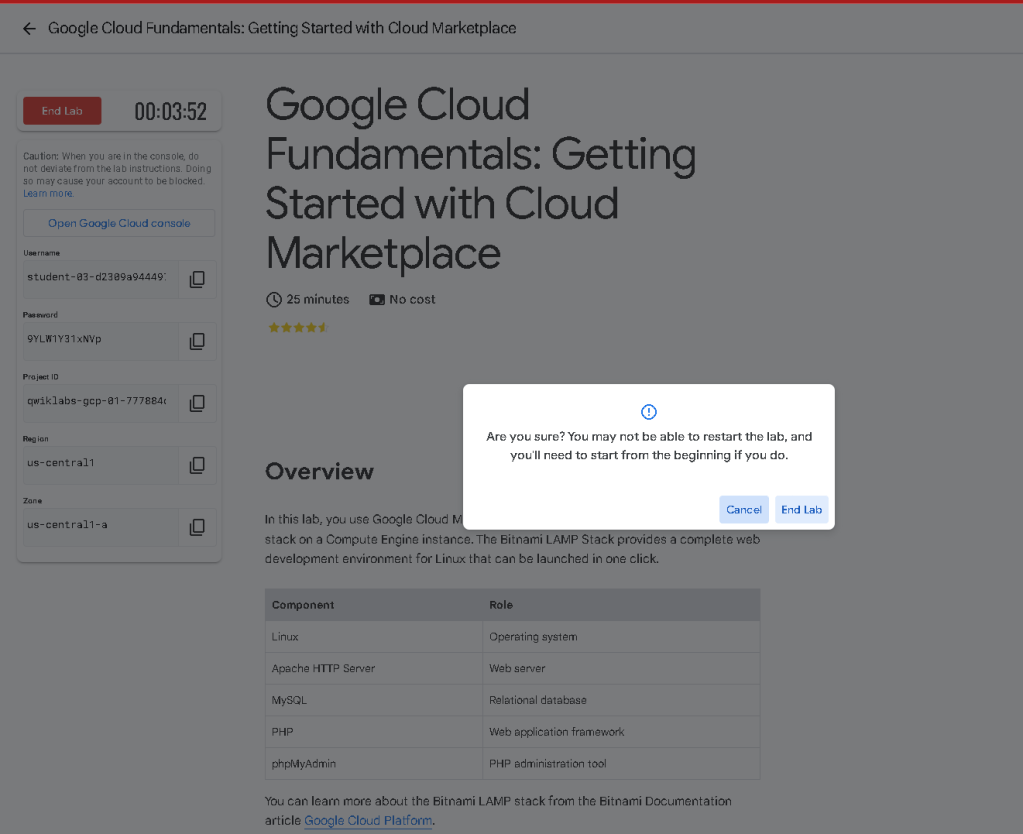
Lab environment
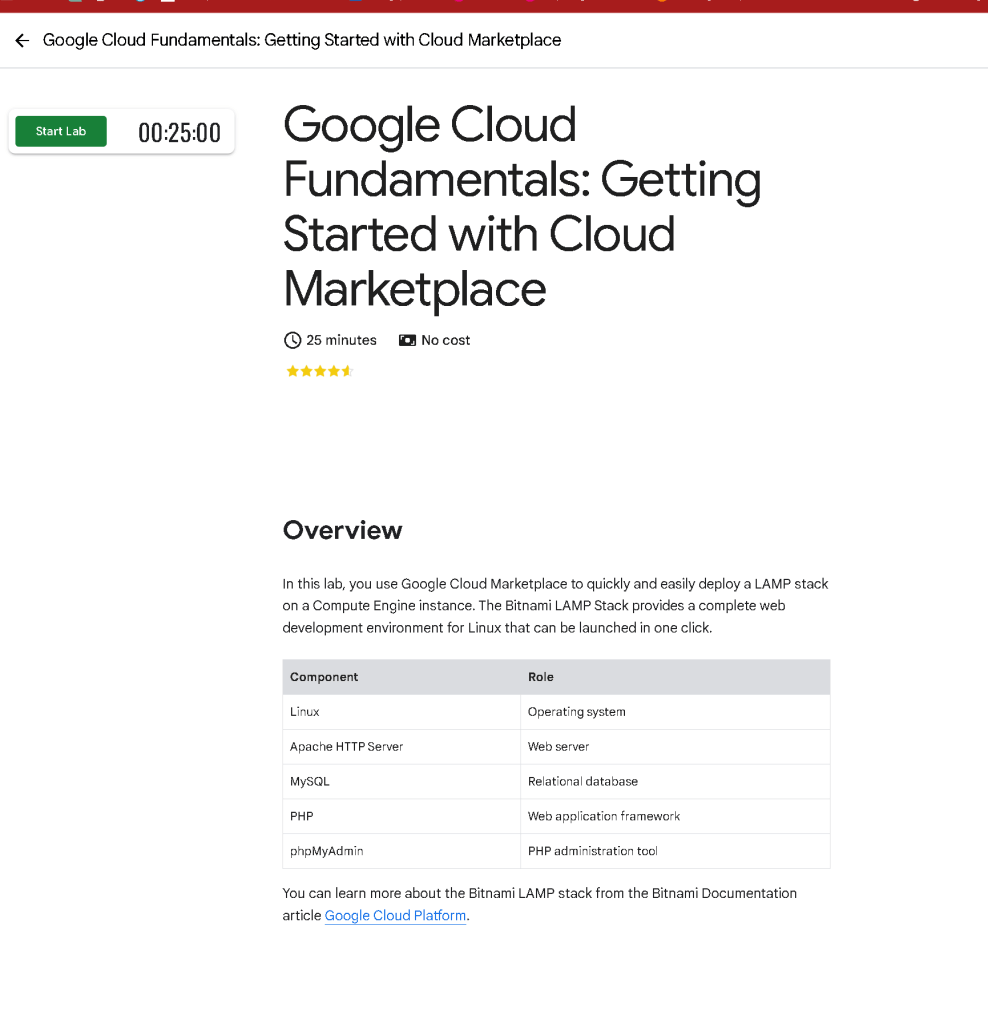
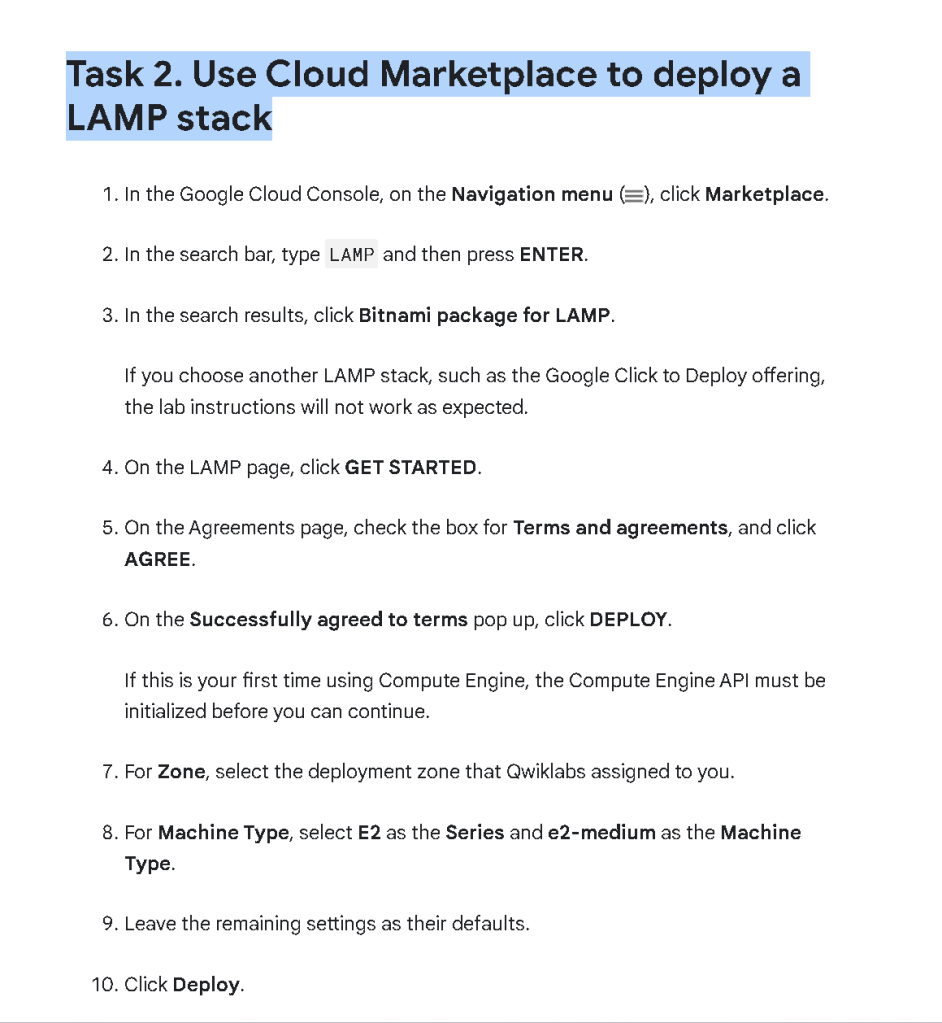
There is start button there
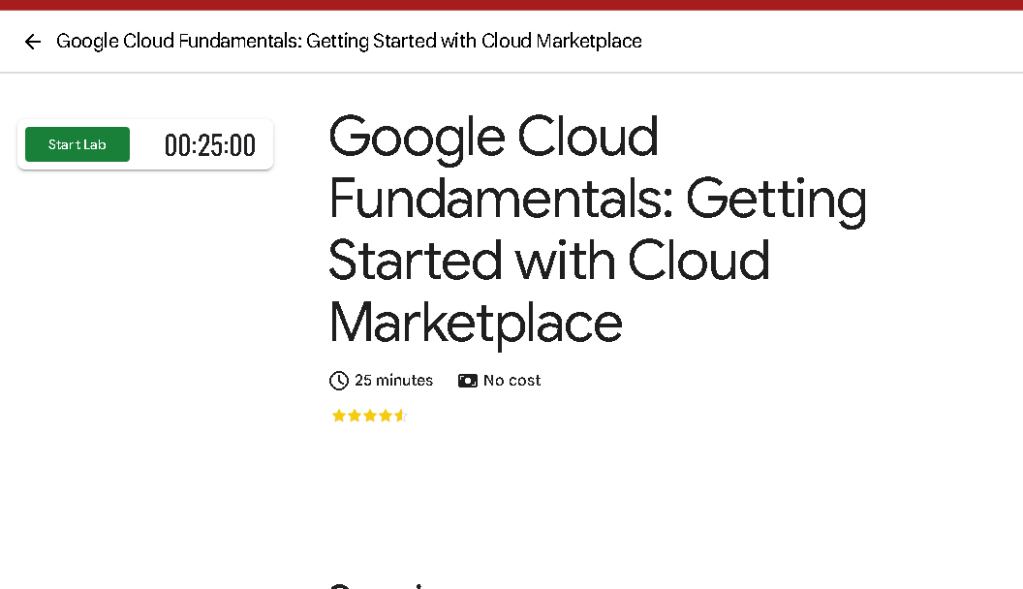
disposable access
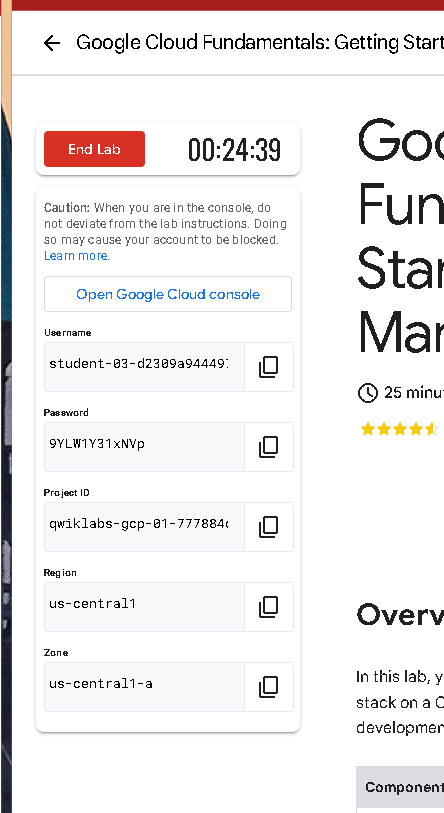
iac code is there and managed by the company
multi stage deployment
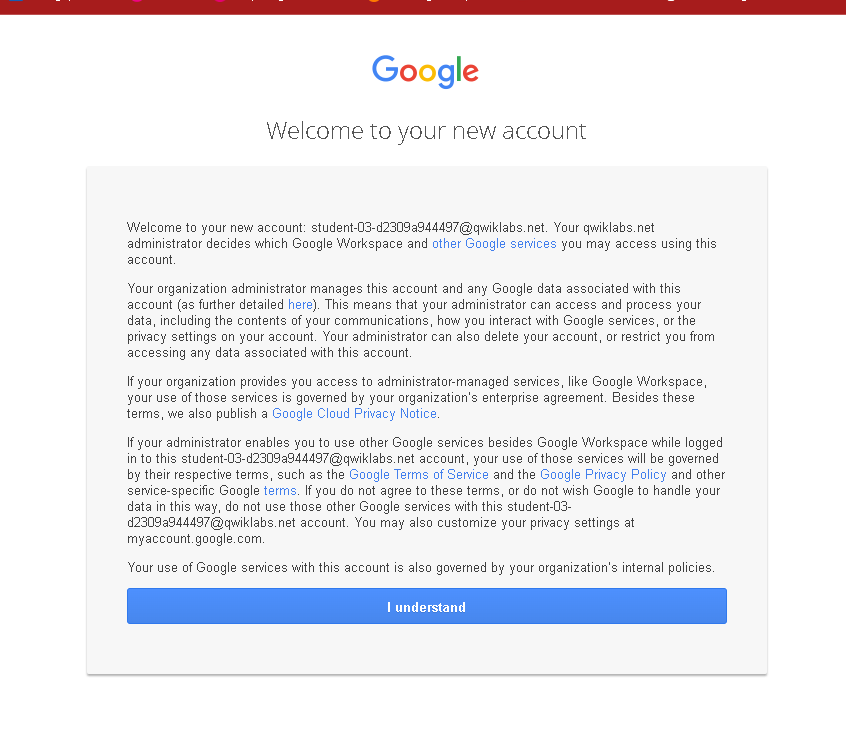
Create a profile not to mix the existing work
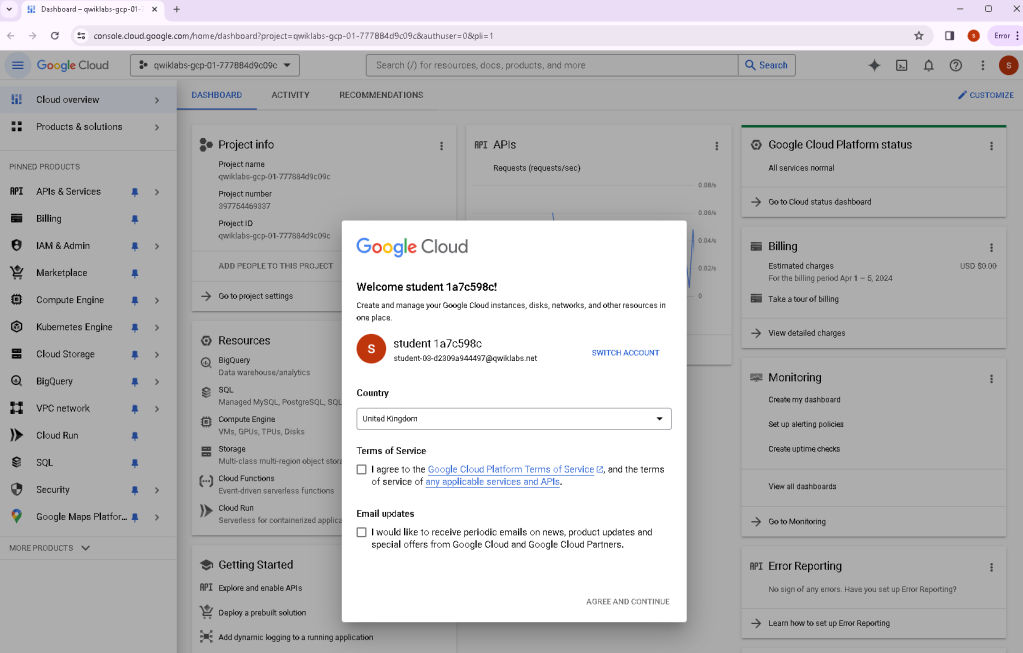
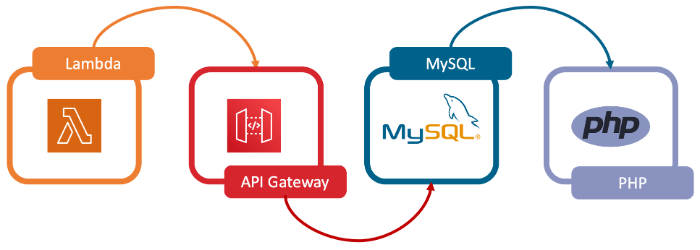
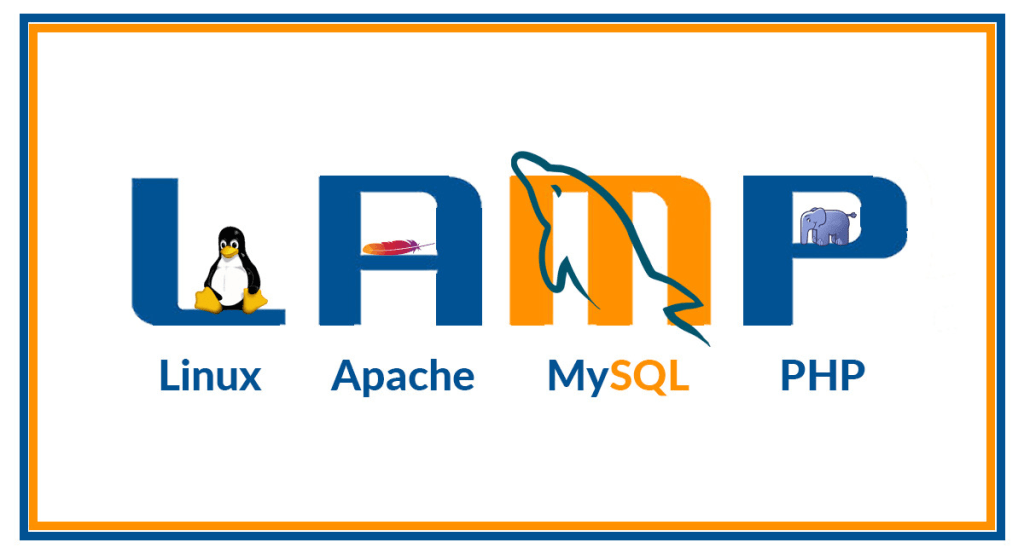
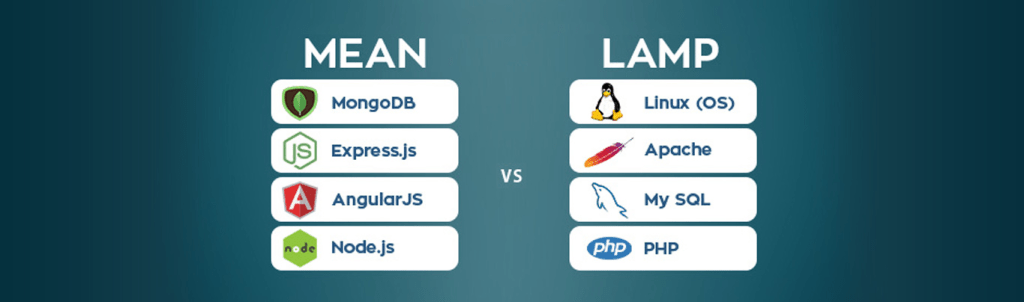
so many LAMP erol based sites
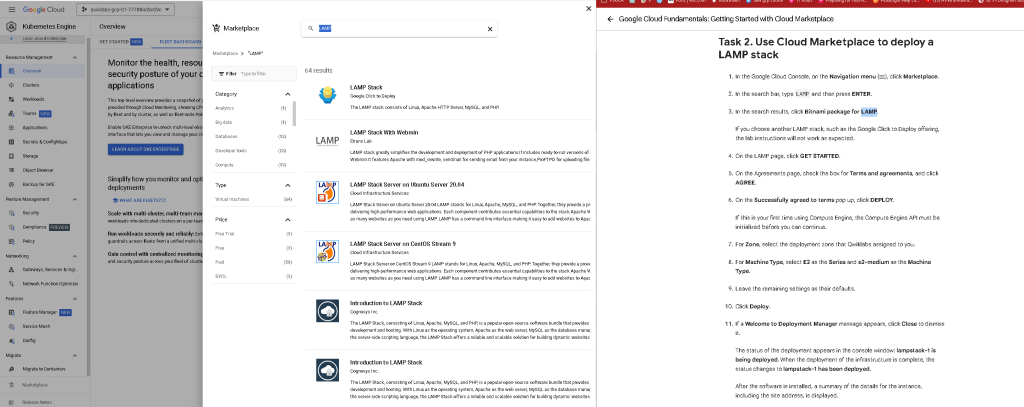
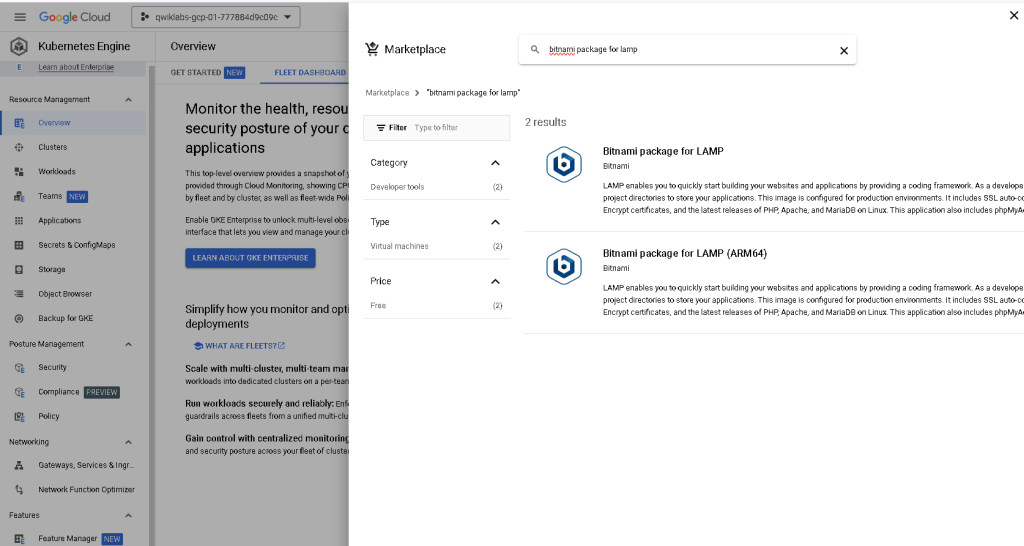
Erols framework
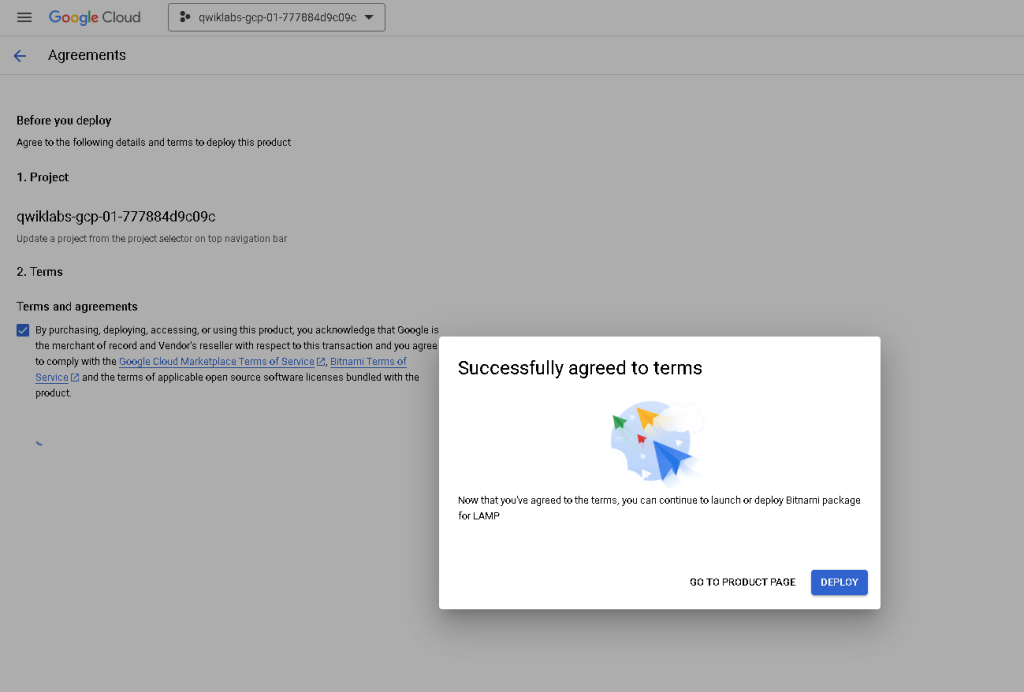
integrated to check to progress of the user
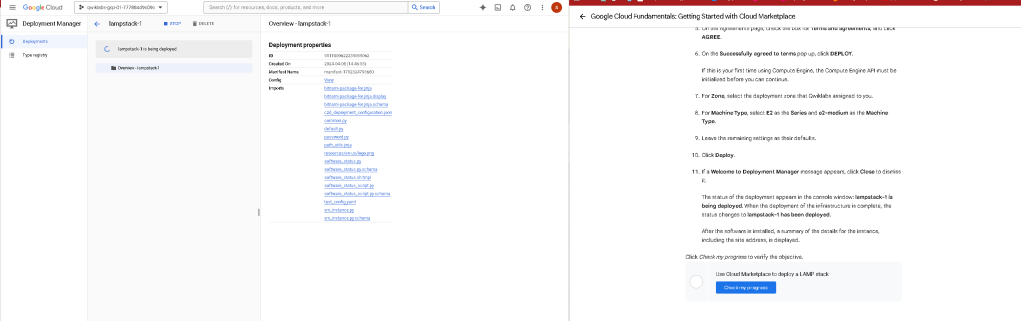
IAC with deployment manager
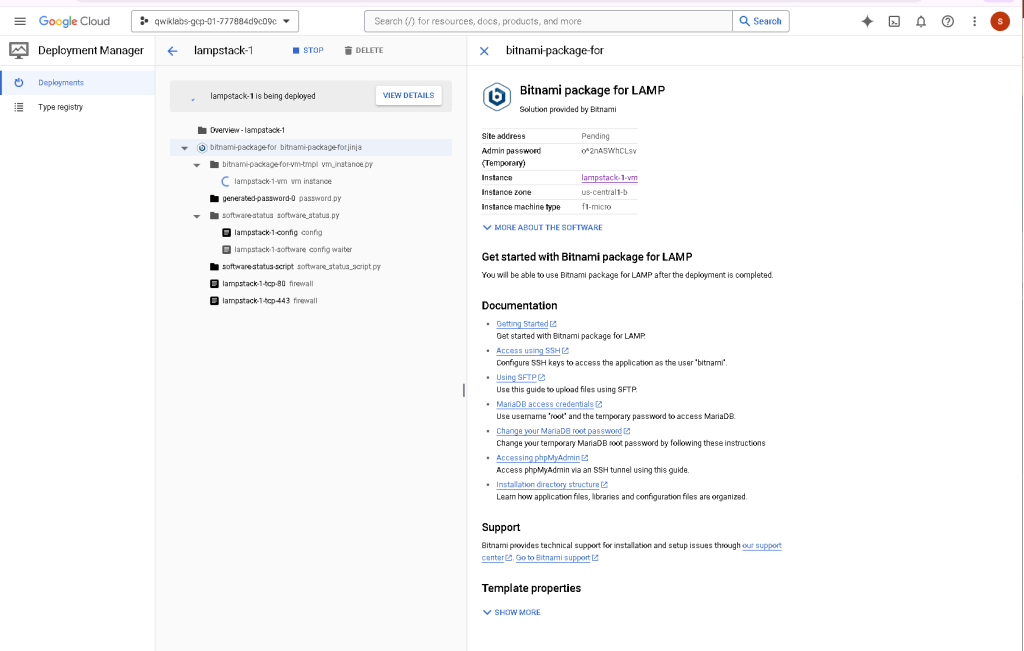
with errors
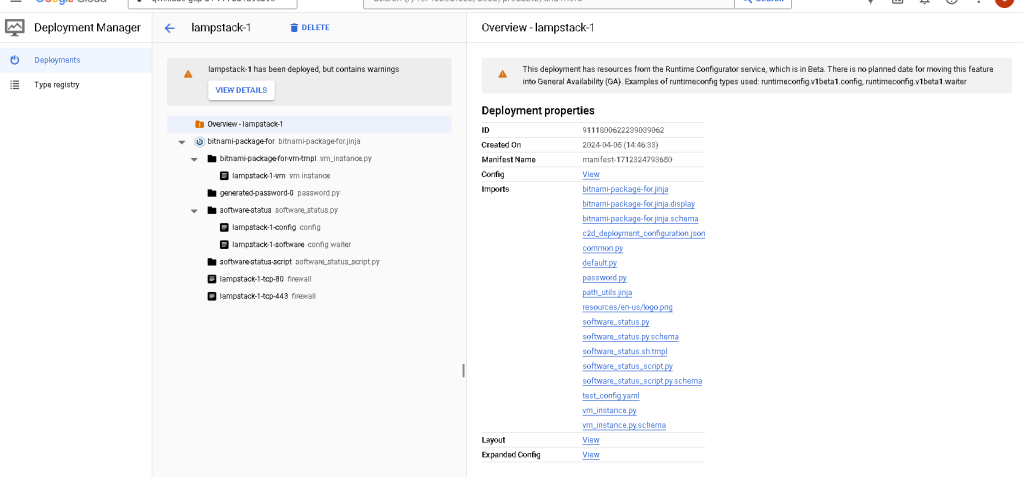
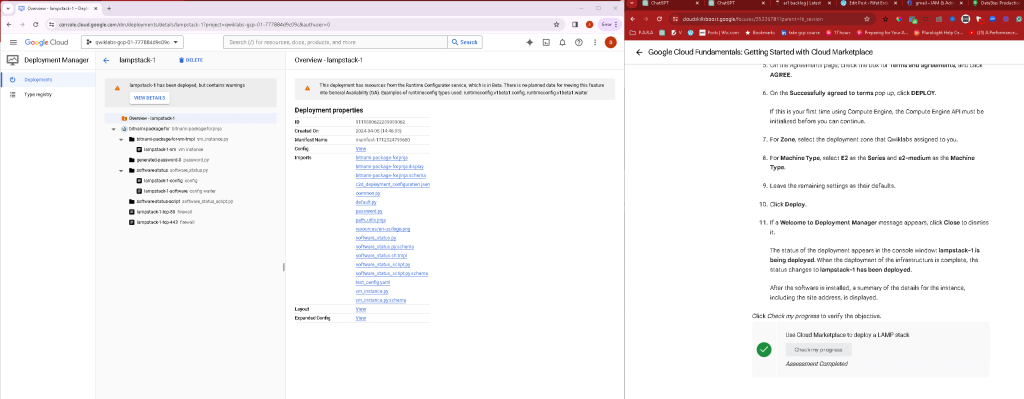
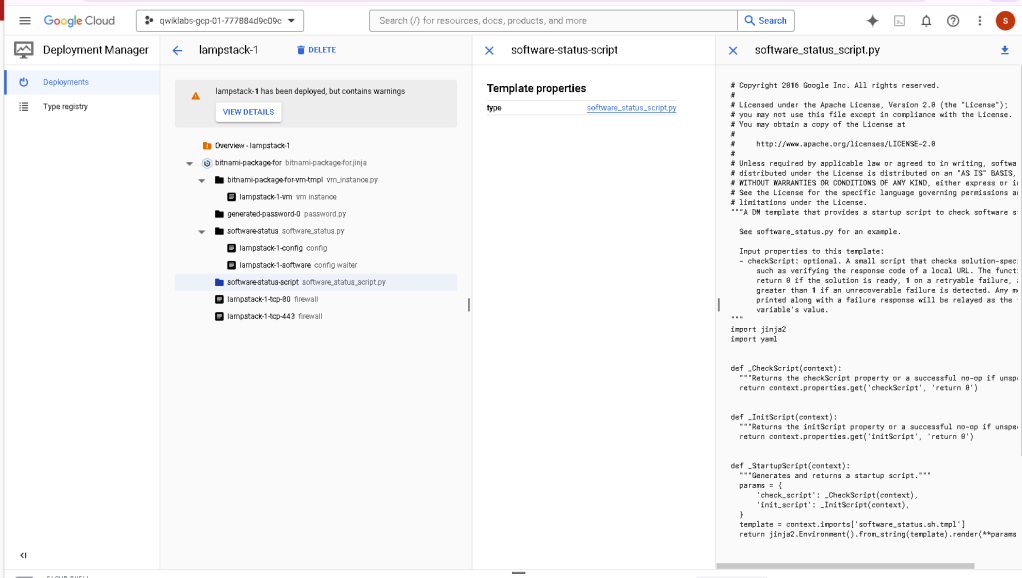
inside is the yaml
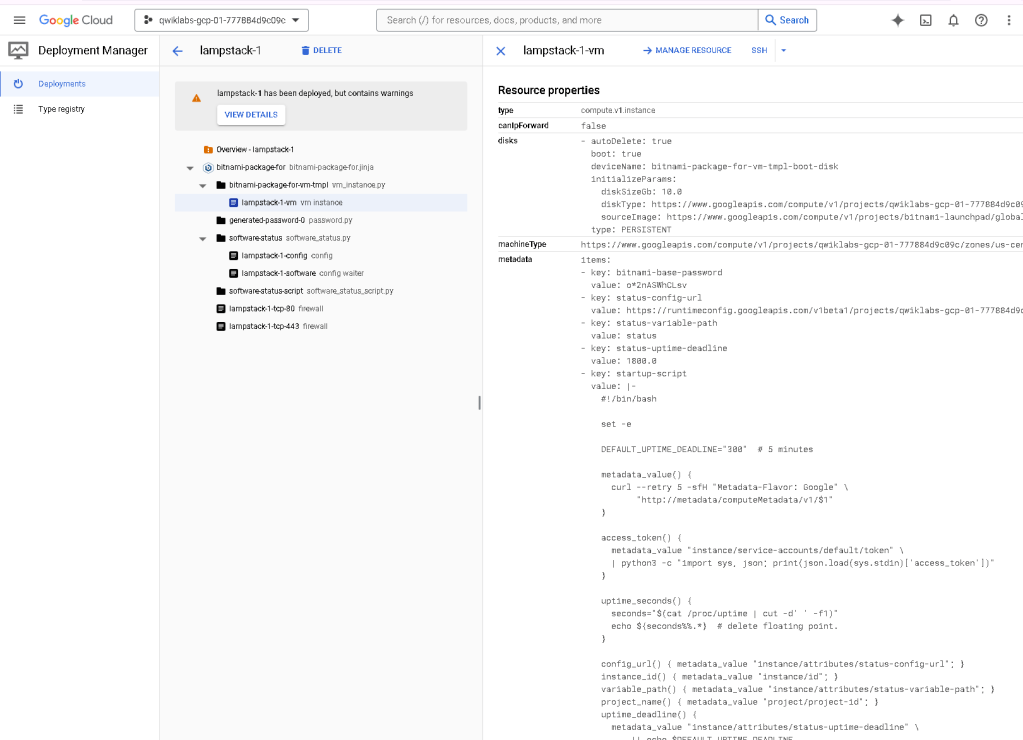
SSH window similar to Azure
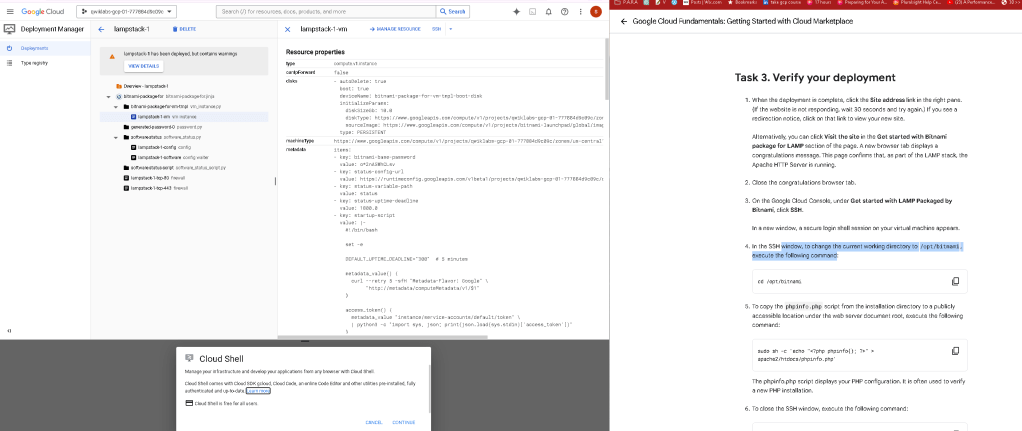
add to skills even before trigger
imported code is there
Wrong SSH
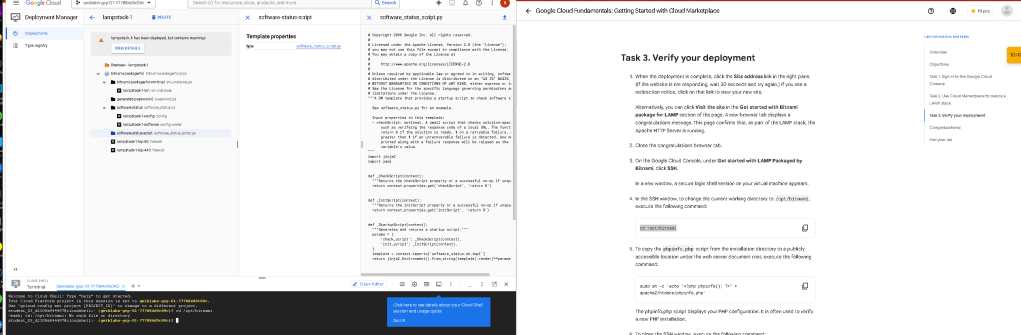
Generic SSH versus targeted SSH
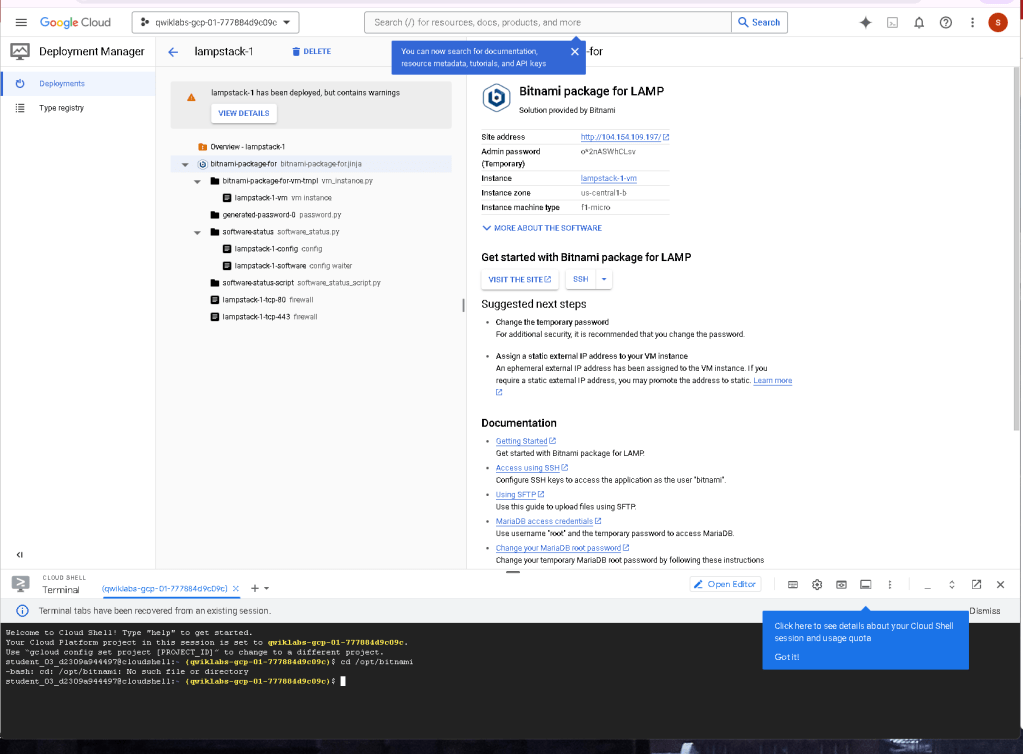
ready
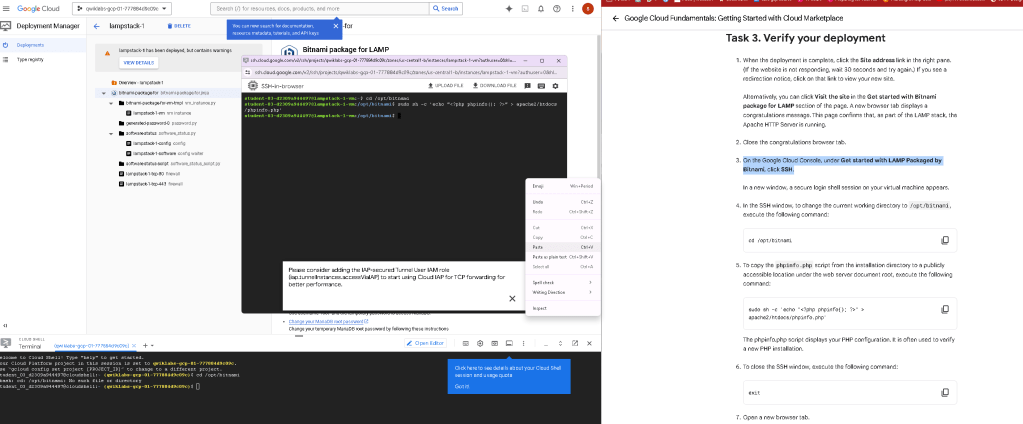
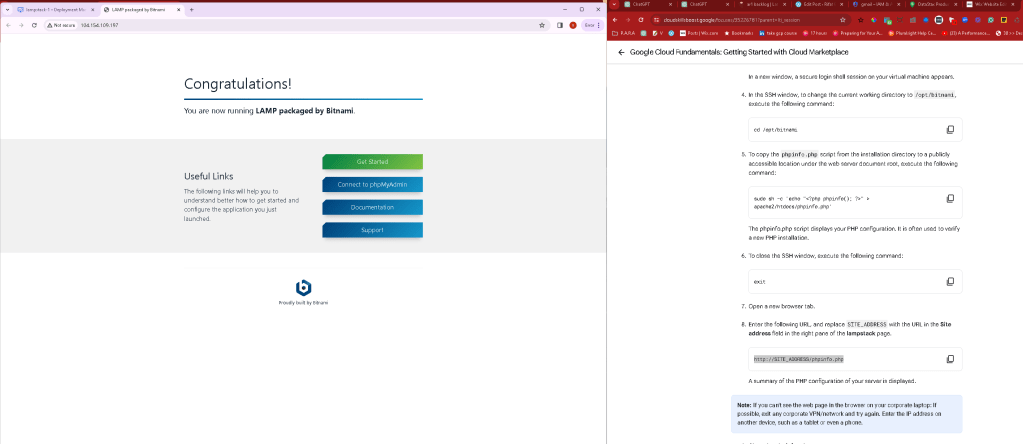
php framework page
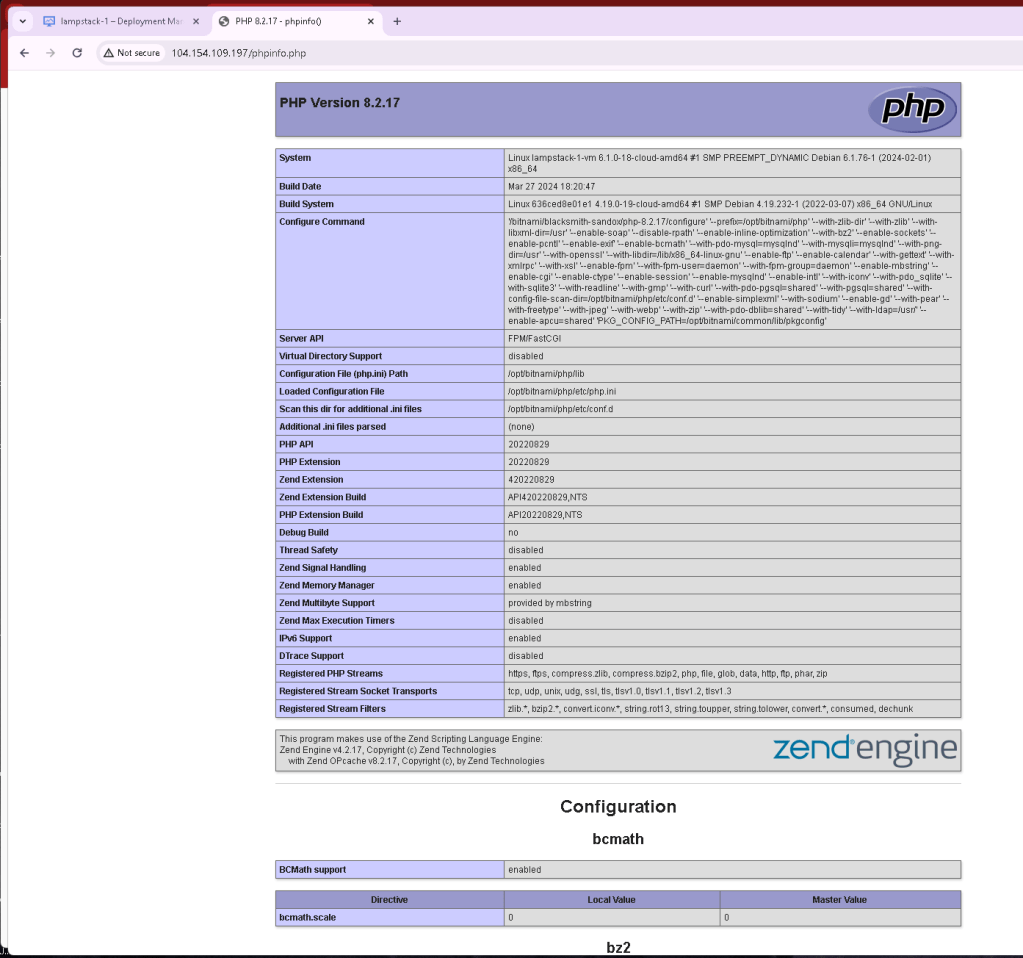
ready for this action
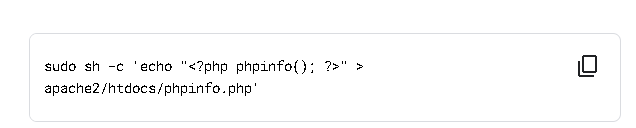
End lab
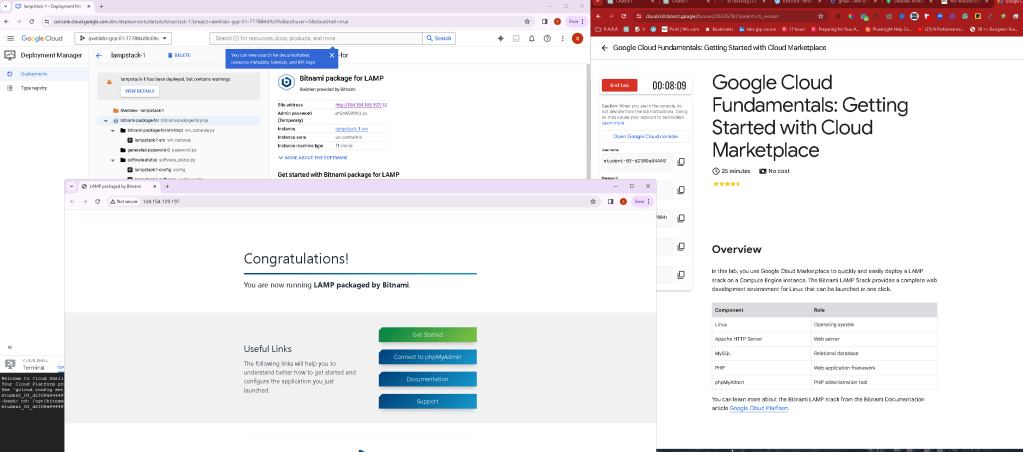
Trainings would fix this
https://docs.google.com/spreadsheets/d/1Bu73MaR7nWbMv4IlUzqUVEwlriwilMMpextTyRYUfKg/edit?pli=1#gid=1165371247
Cloud shell is a terminal
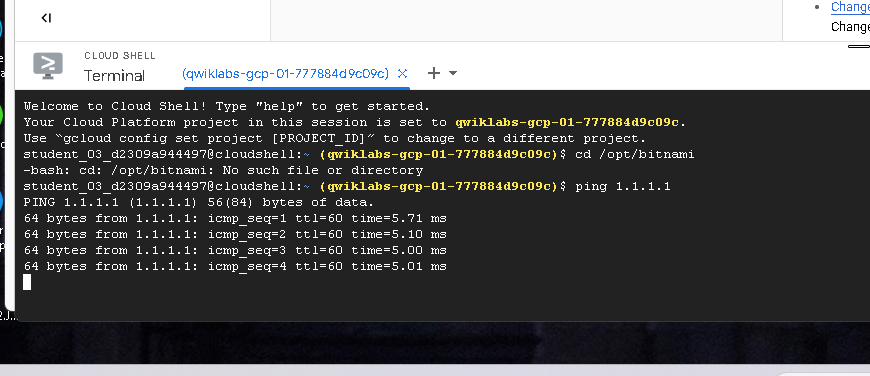
Do as many labs as you can and add to the cv
TELL / SHOW / DOOOOOOOOOOOOOOOOO / APPLY
Cloud skills to do it
You get badges like in a game
similar sales tactics
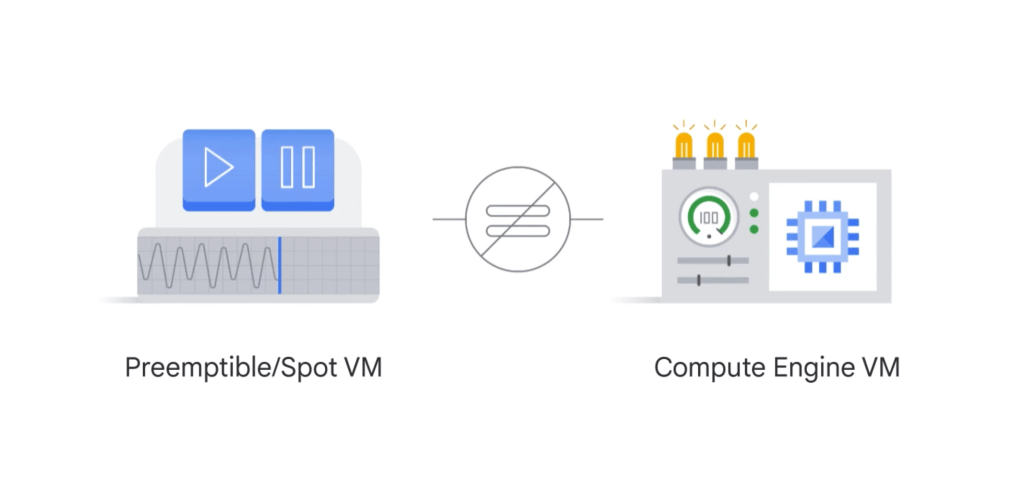
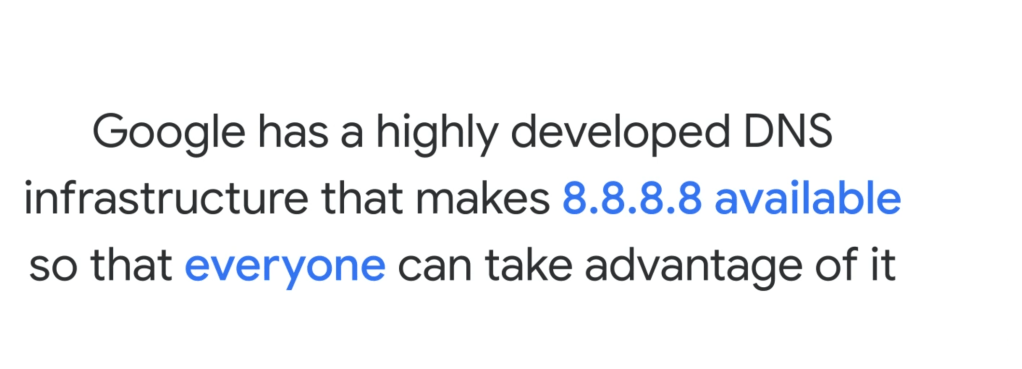
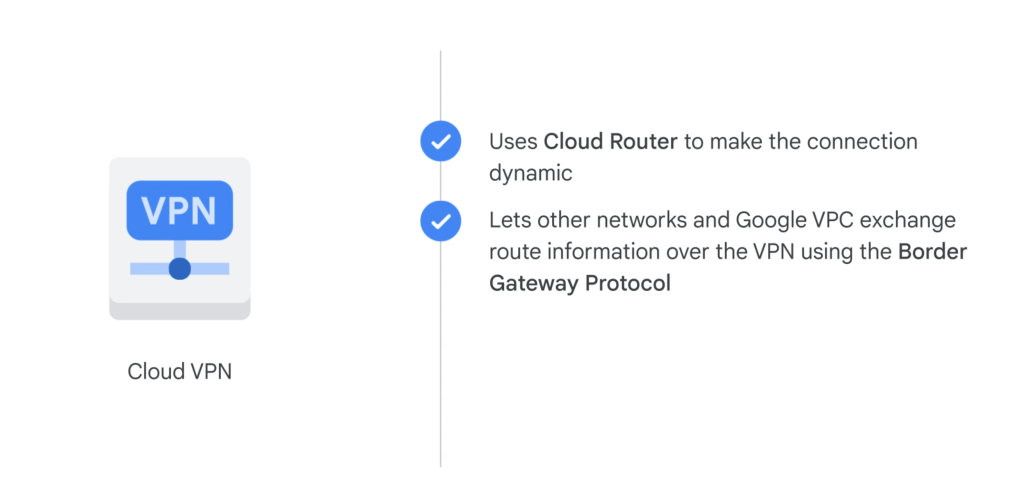
BGP with google
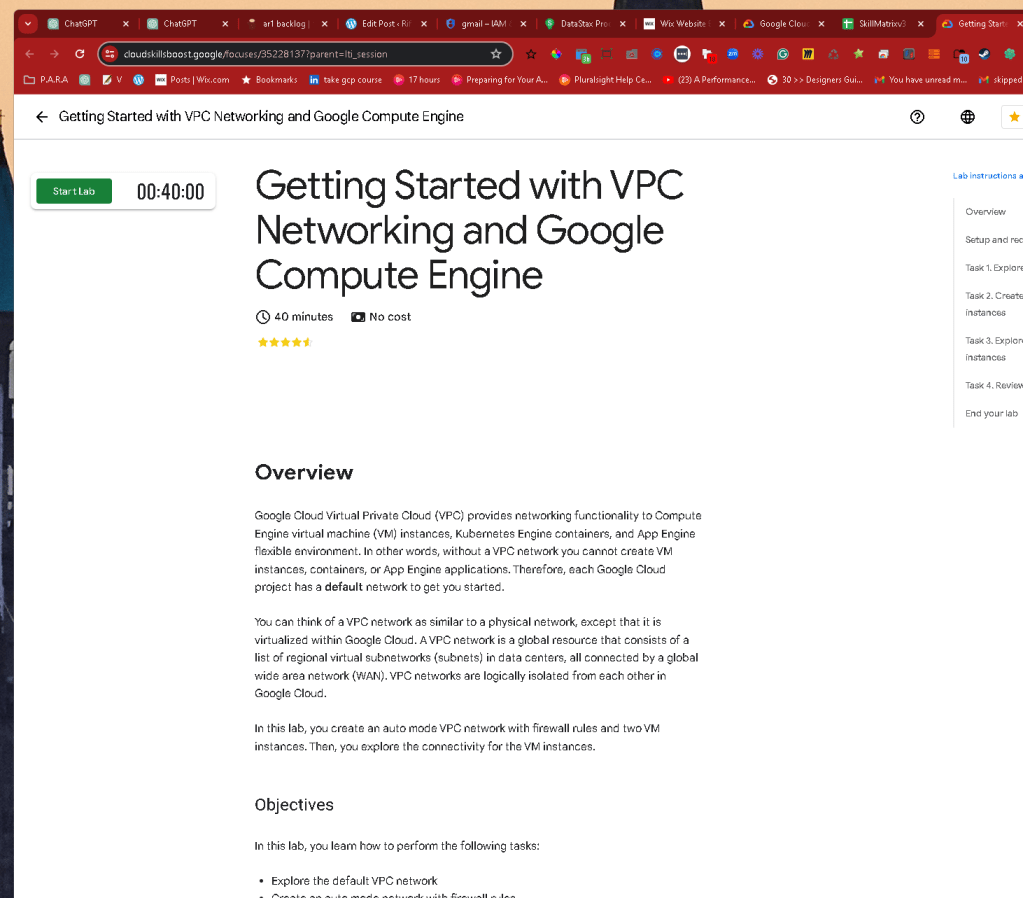
Labs are inside the docs
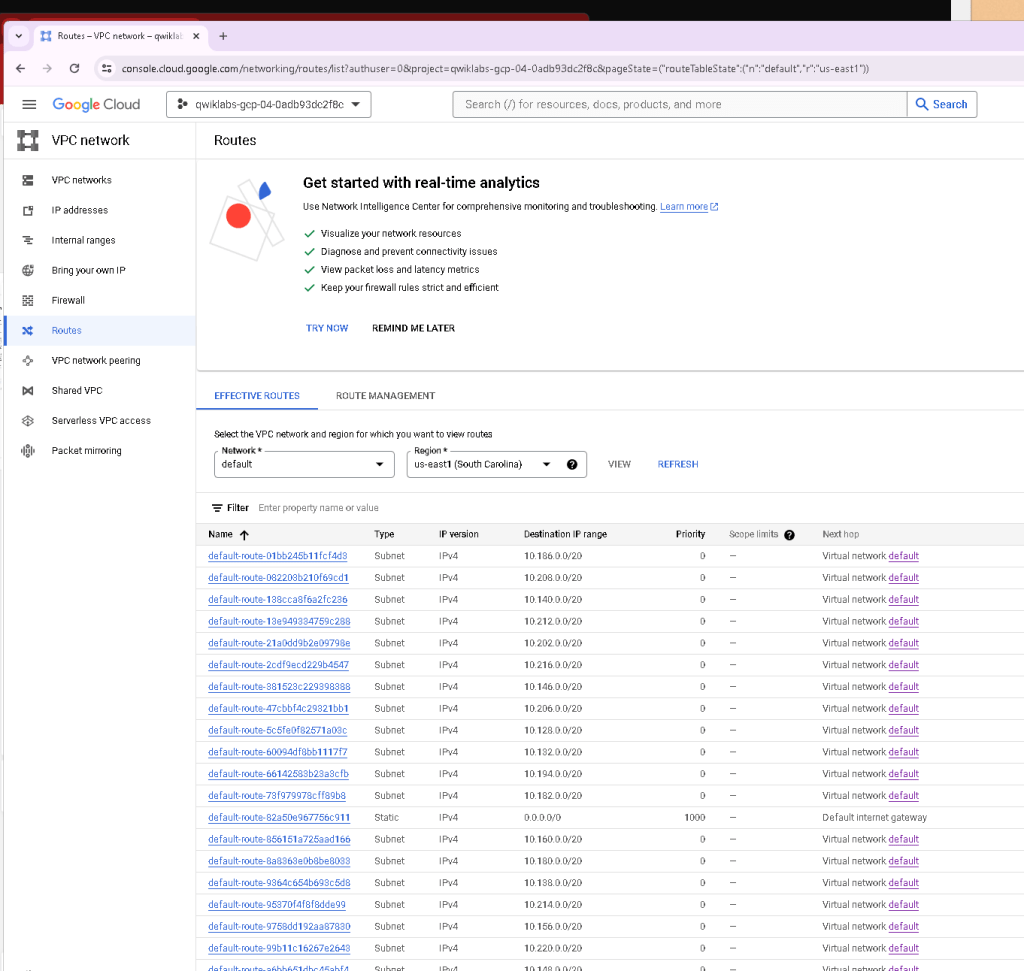
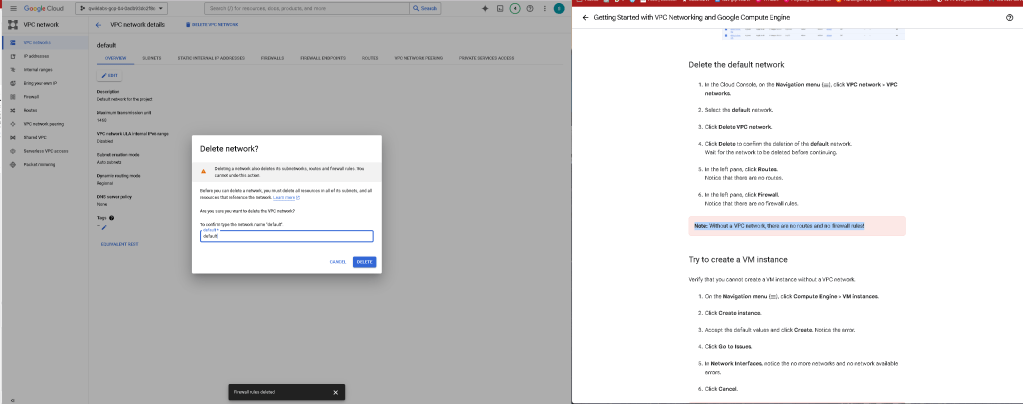
default network and routes are here >>> printer WPS issue is every where
rules
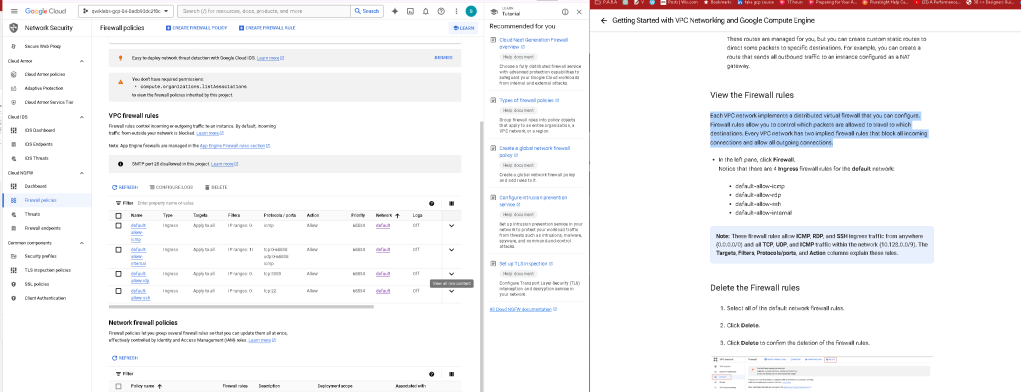
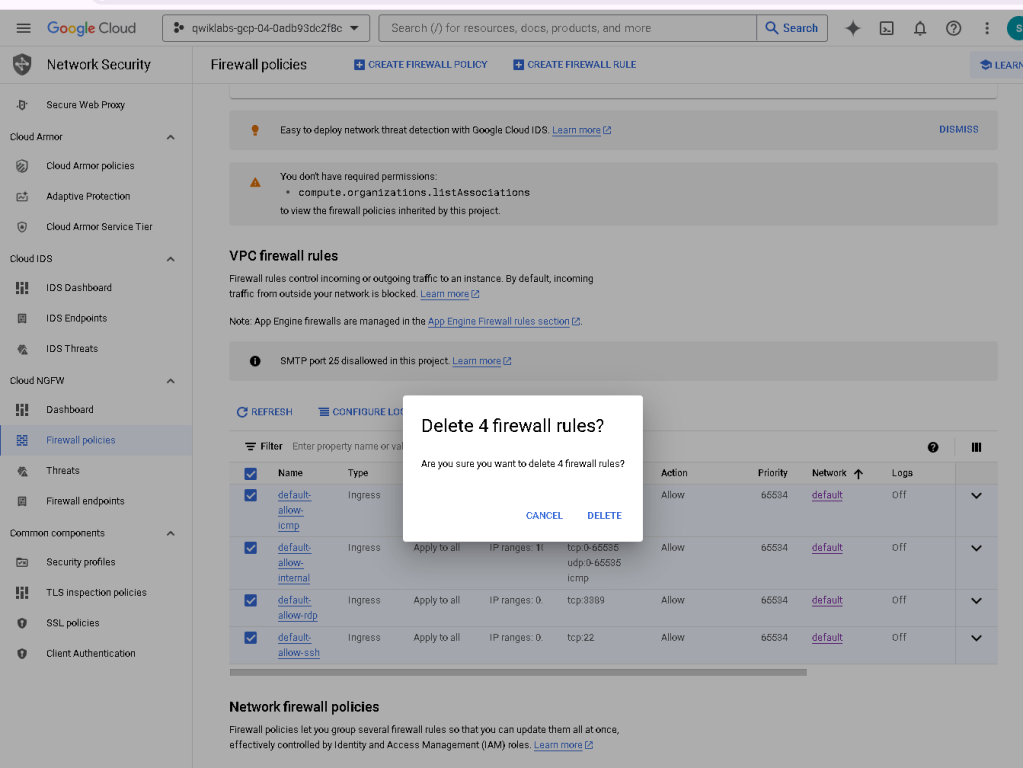
apply together
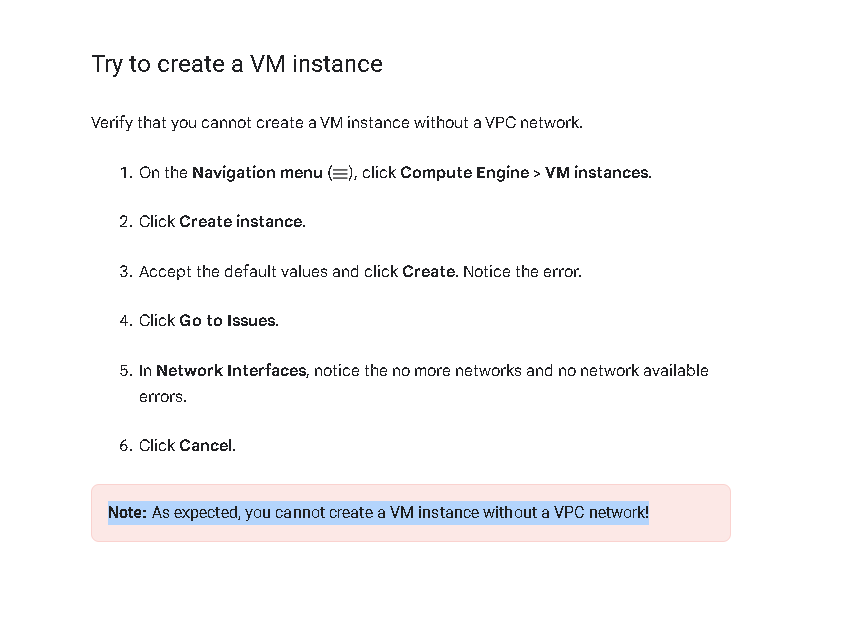
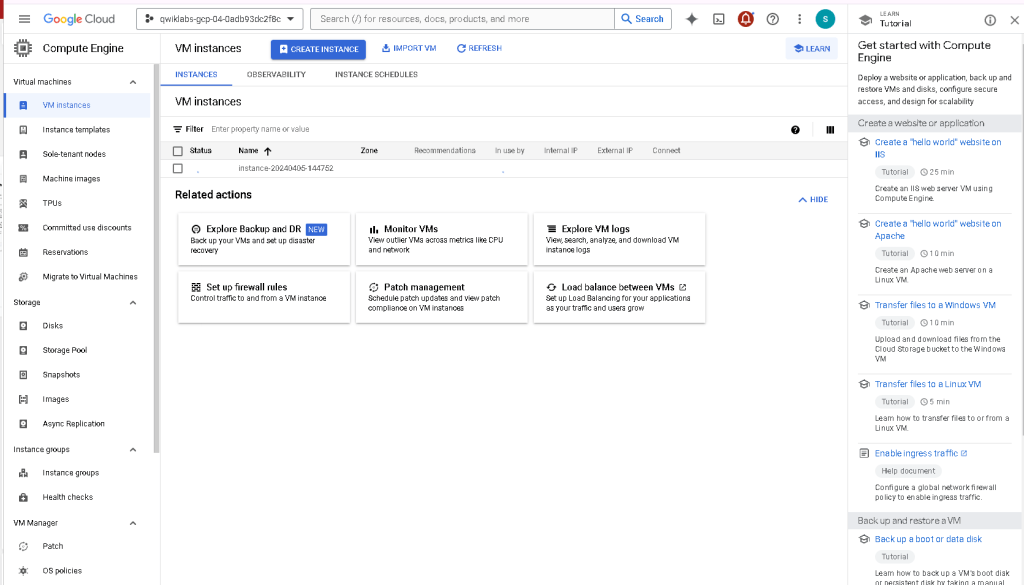
should make the vm instances
deleted network error
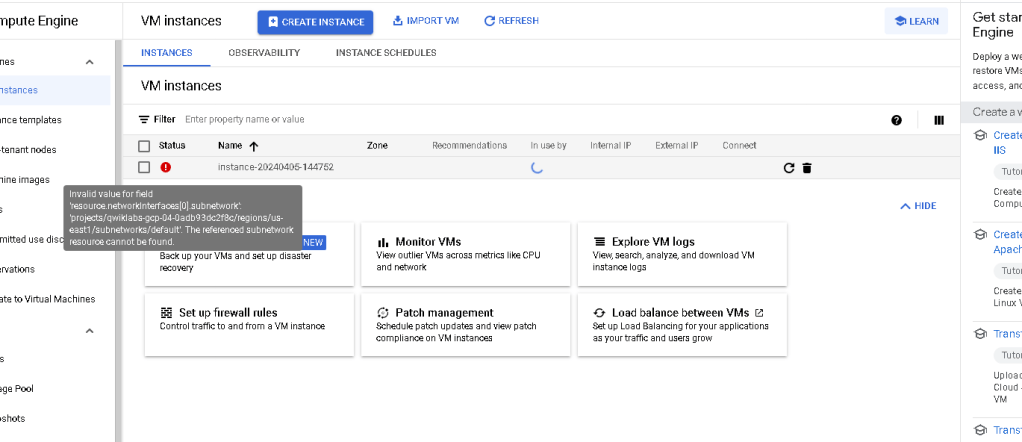
recreate with similar rules
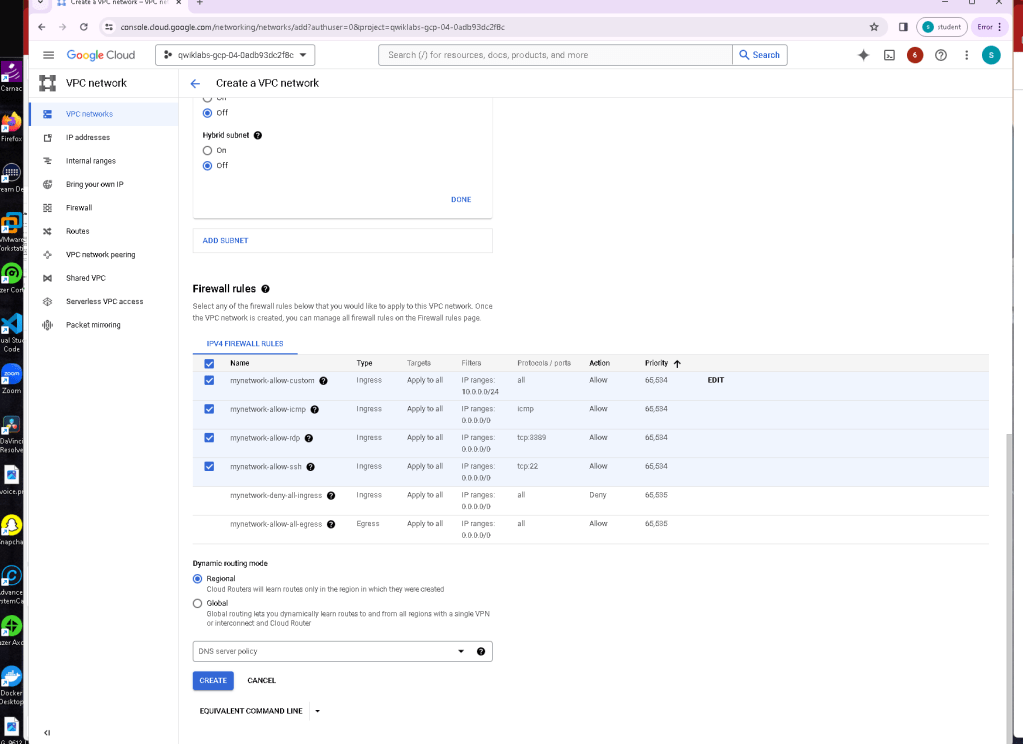
also need to wait for it as well
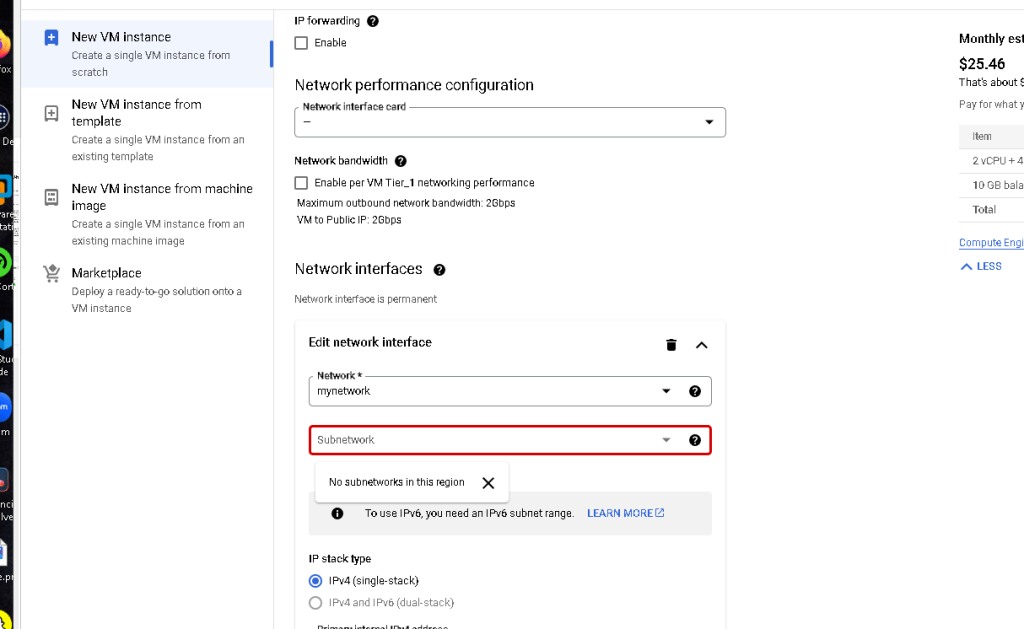
move to us centra1
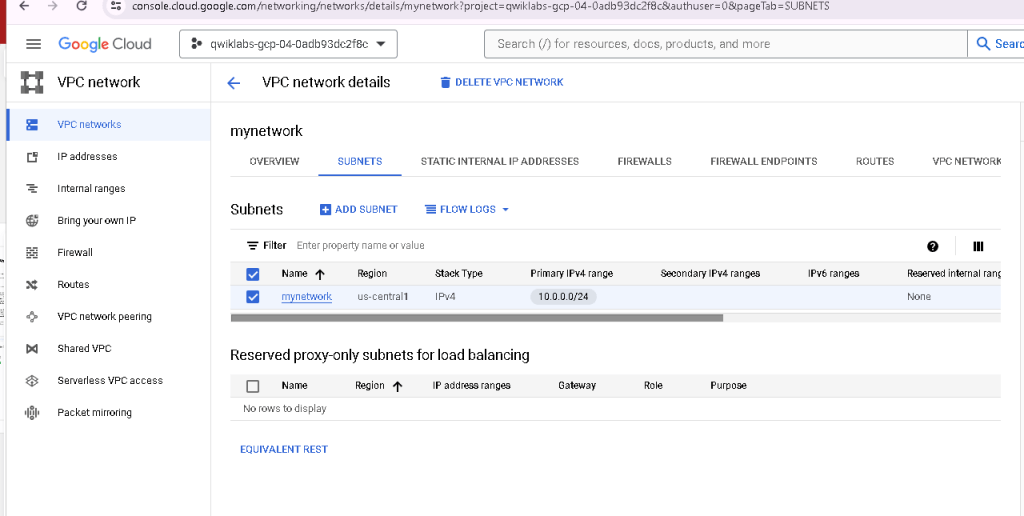
location change and the trigger is on
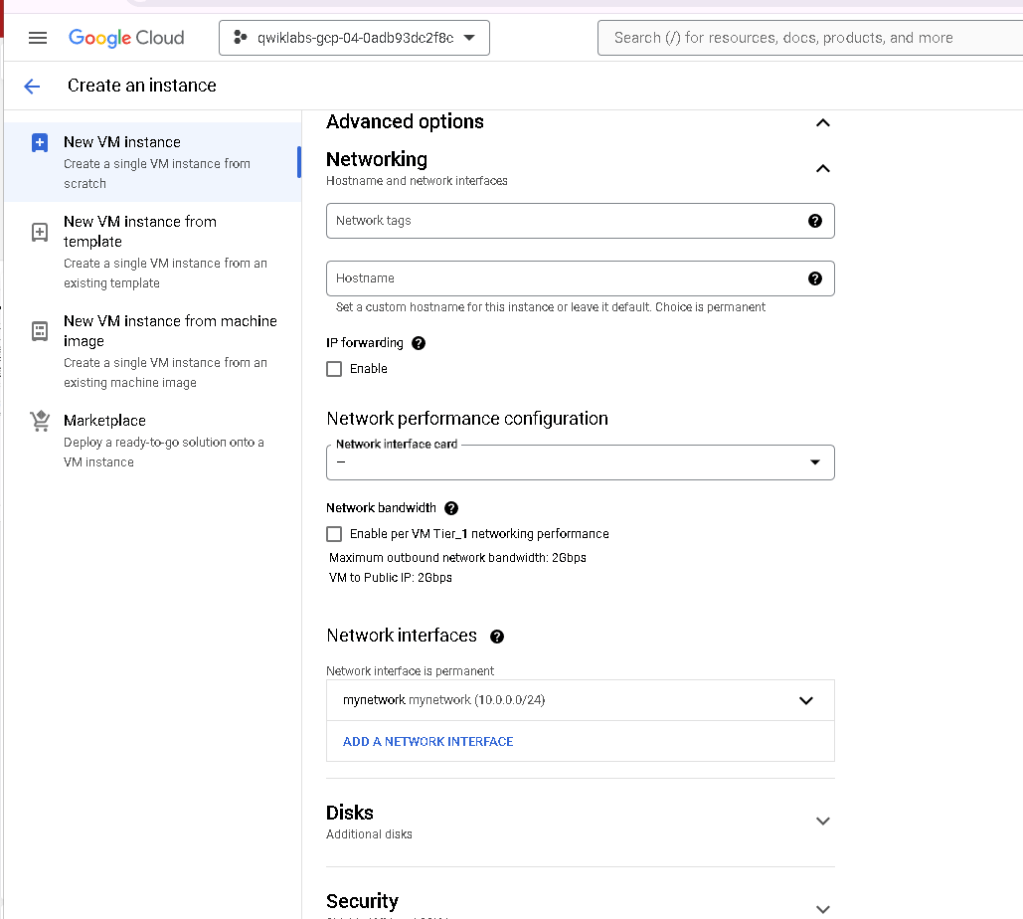
end less looped time
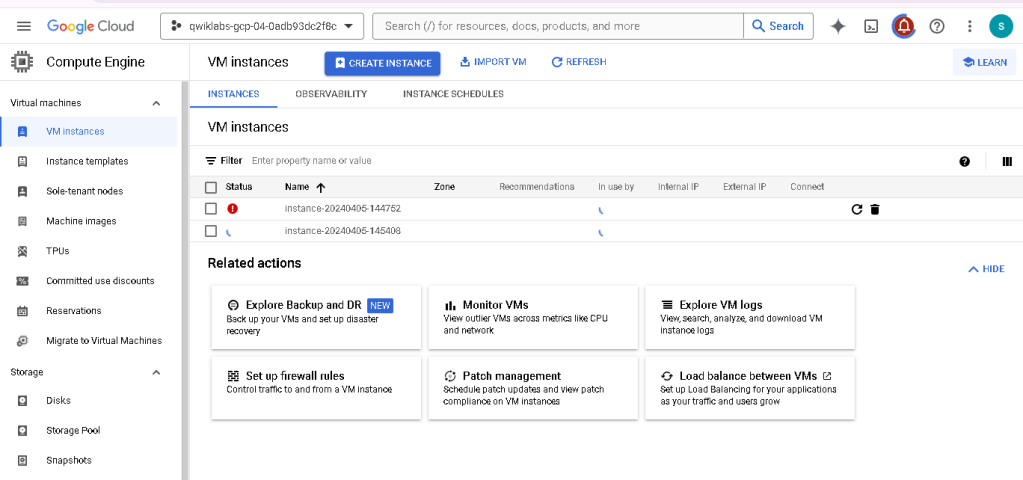
semblance
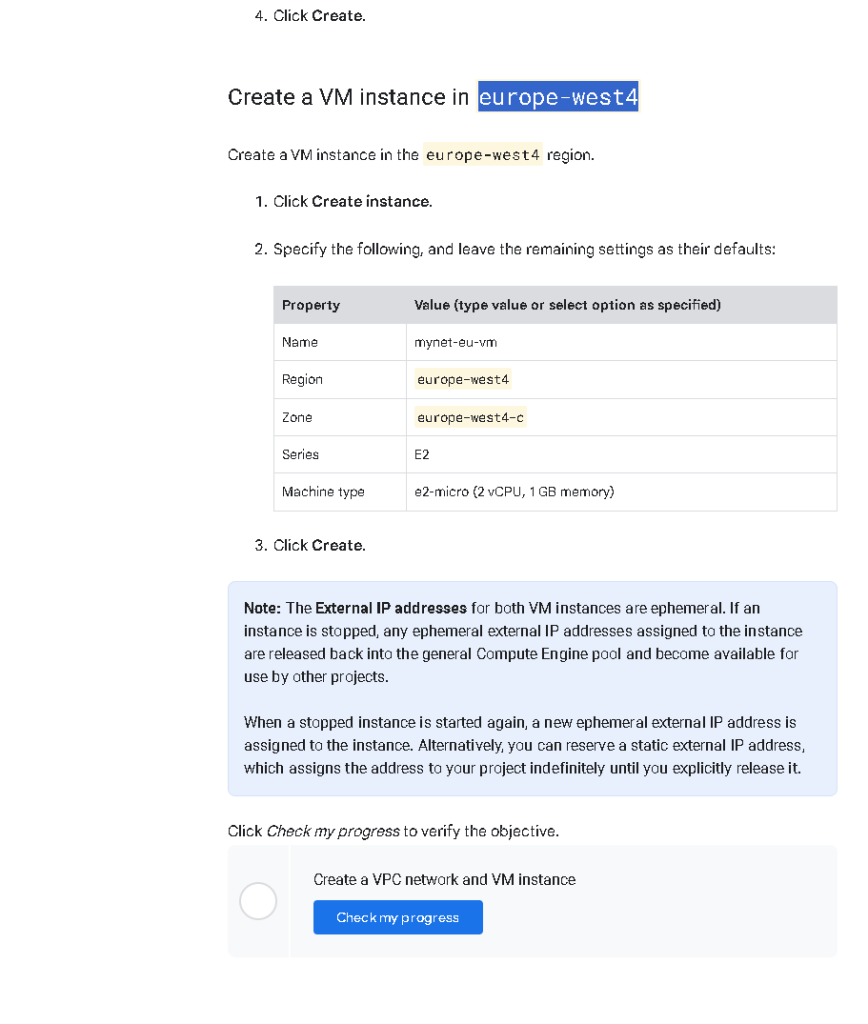
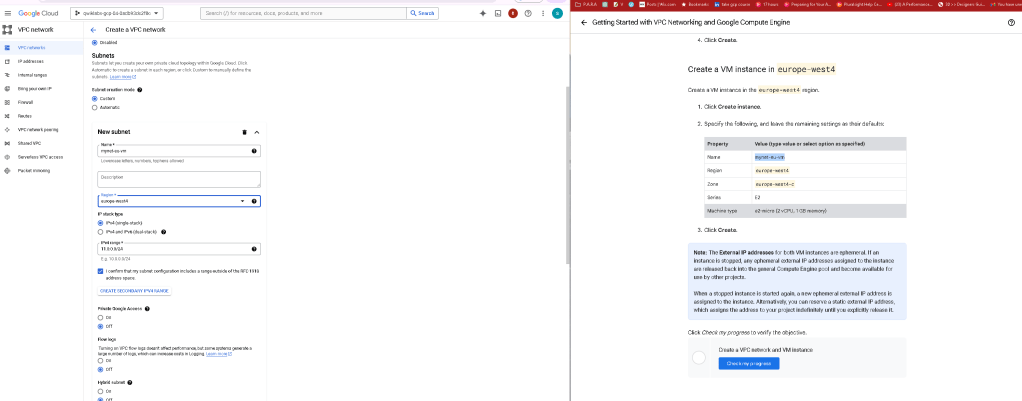
network creation takes time
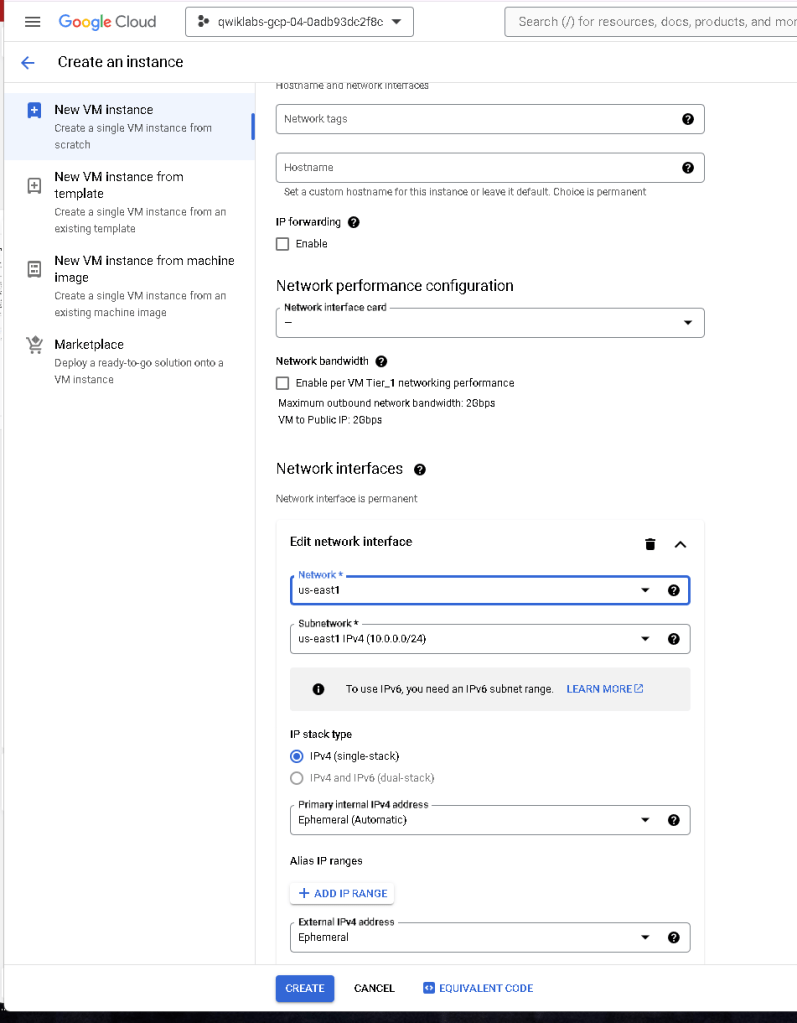
fast triggers and checks
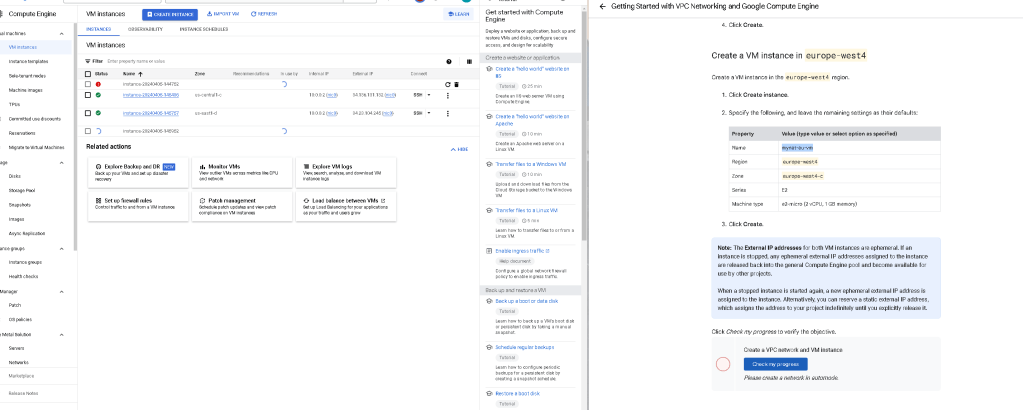
it also says the error
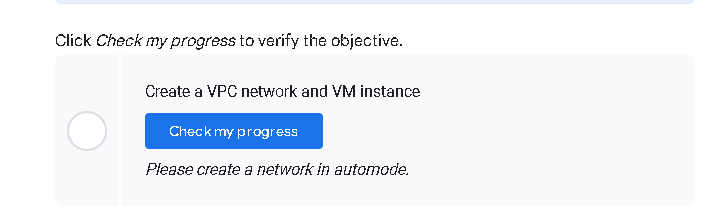
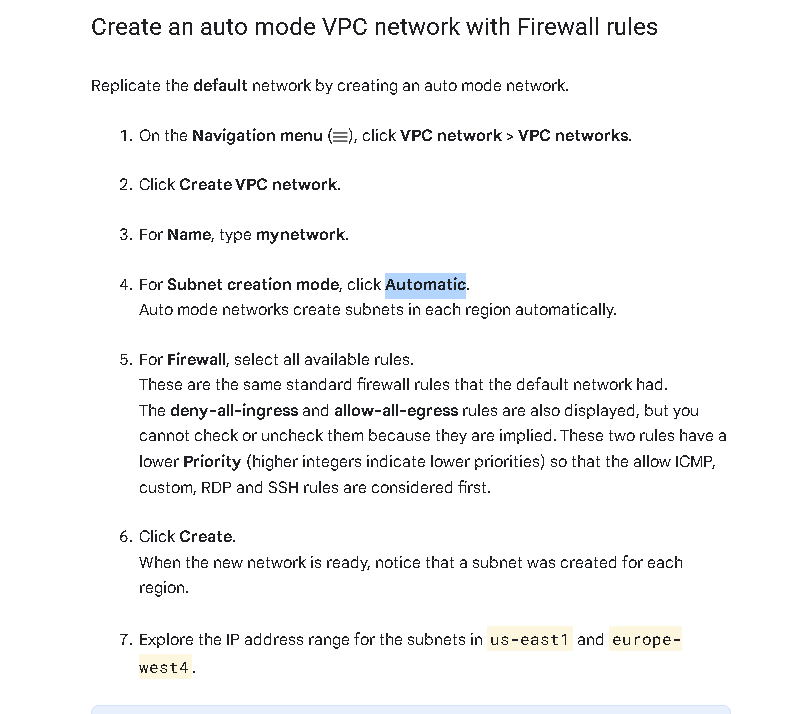
Looks like it cant be changed afterwards
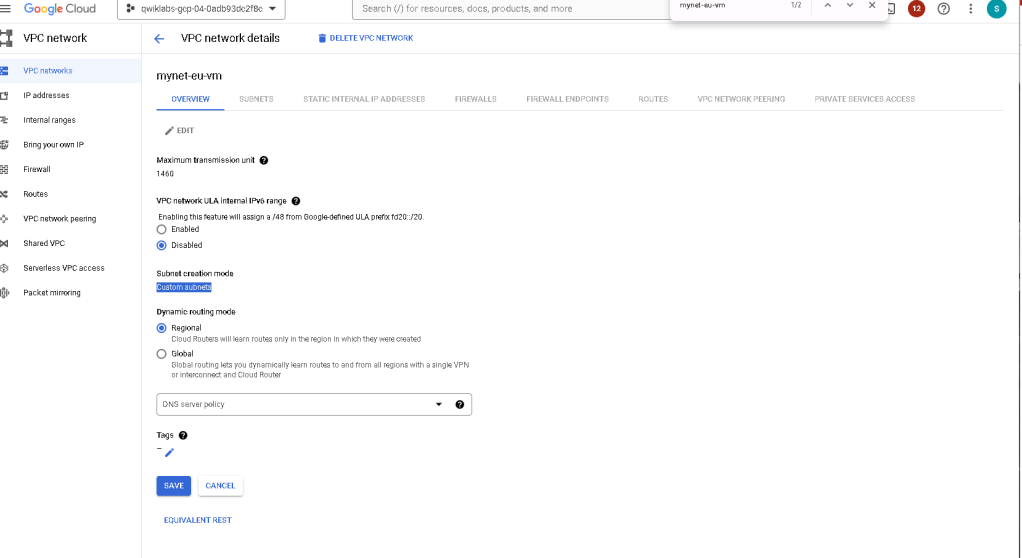
automatic hard tghe IP Stack type
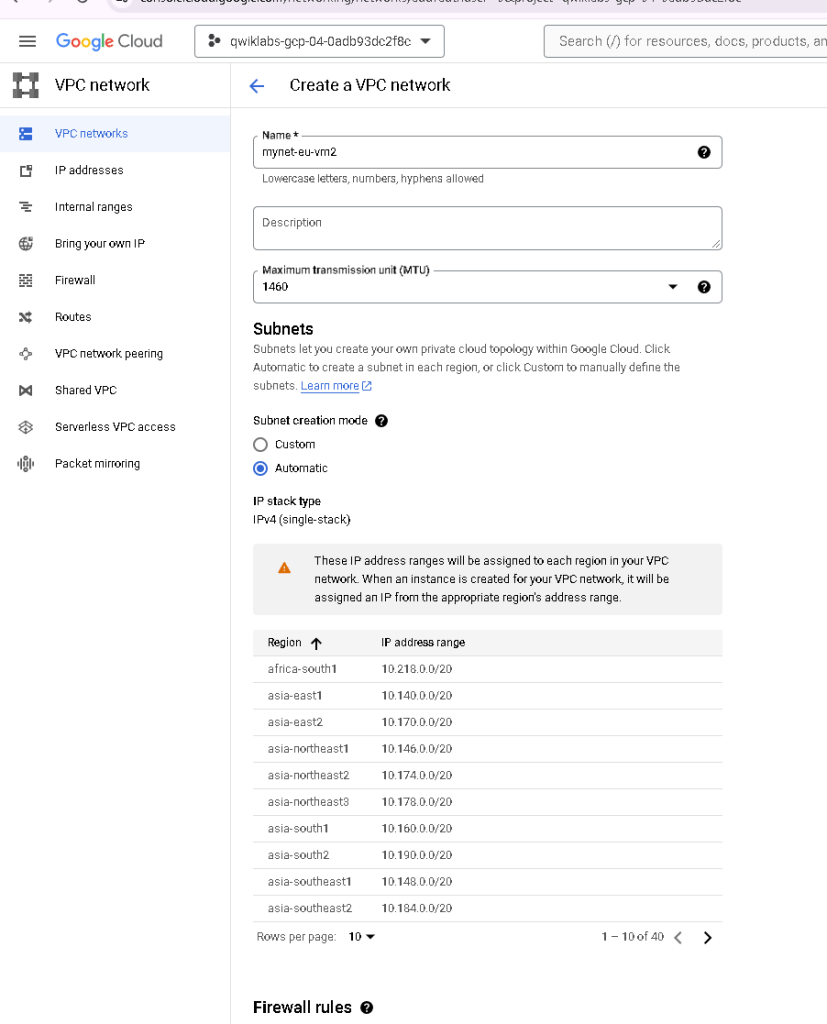
automatic gets the ip setting mapped
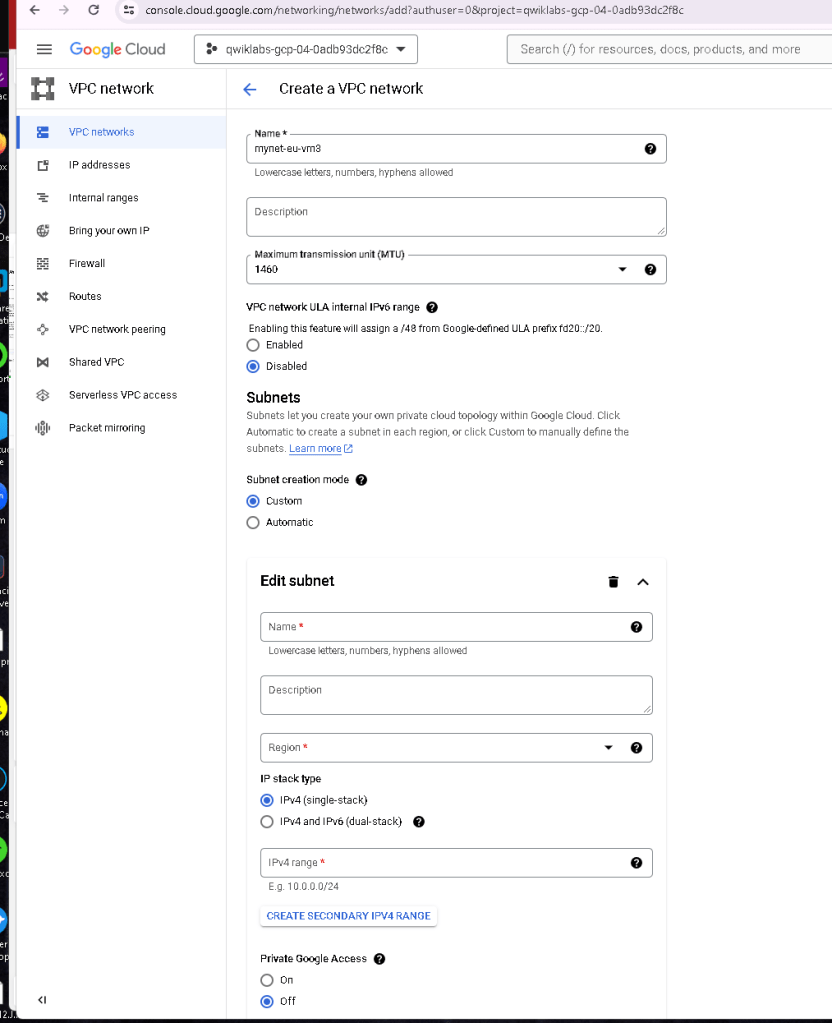
automode is the first one
limitations of the lab
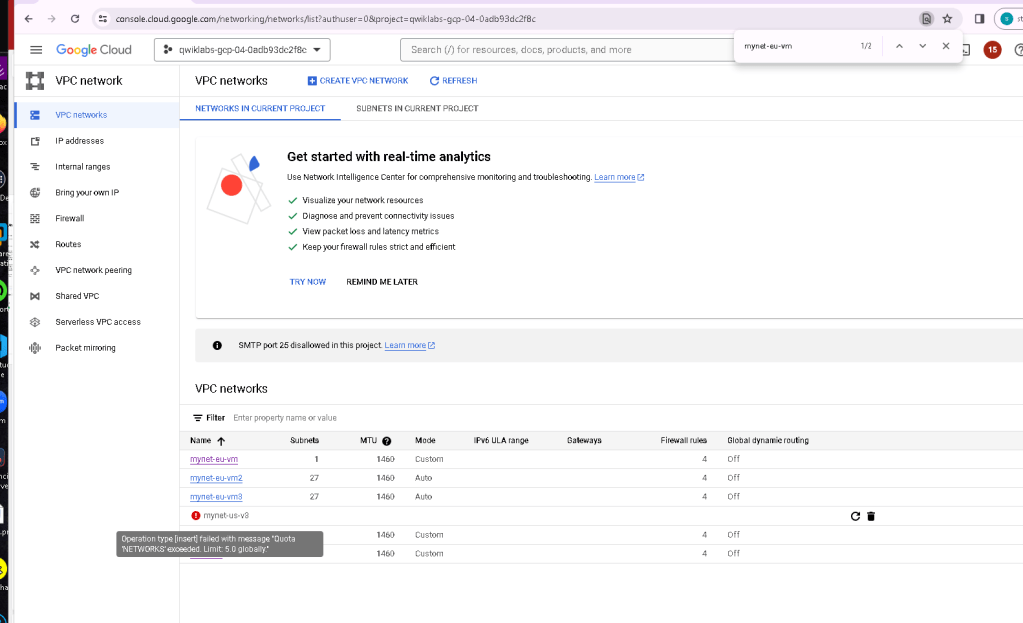
it is a hassle
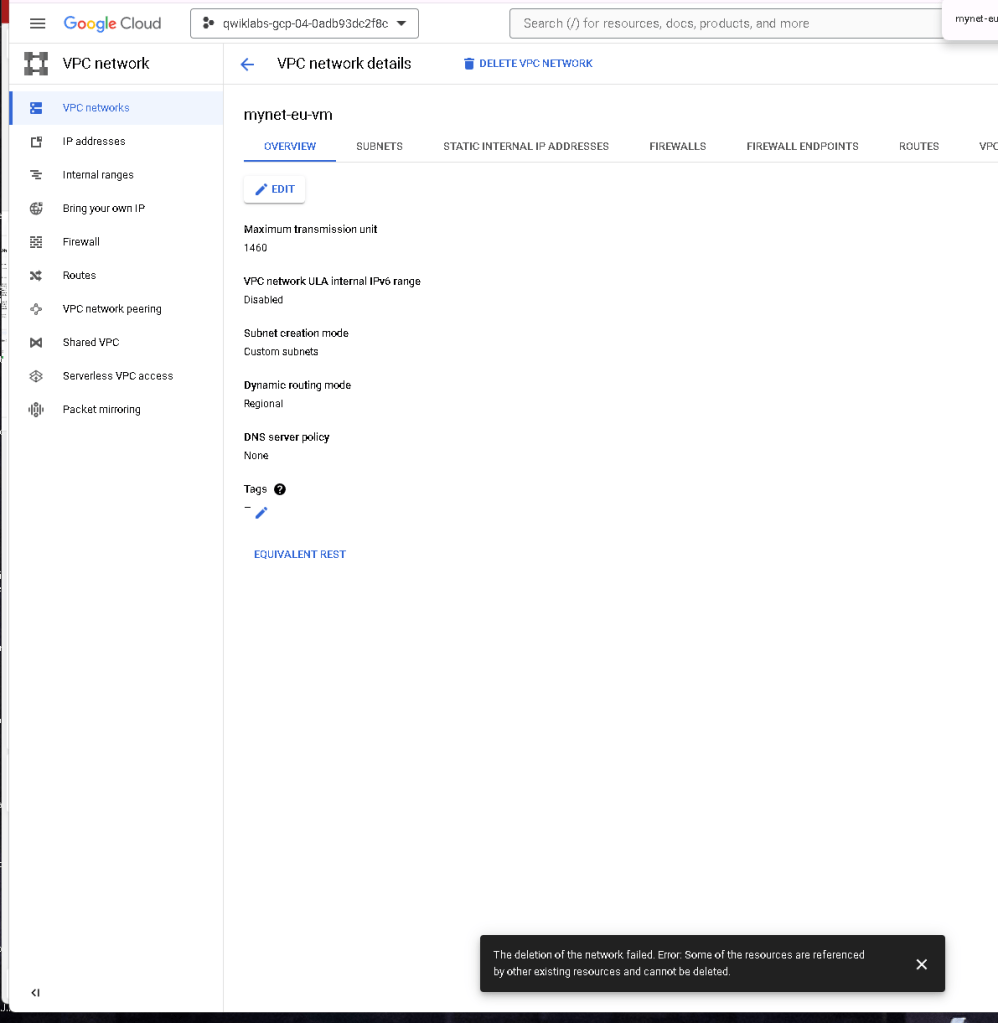
delete from top>>> cascade delete not there
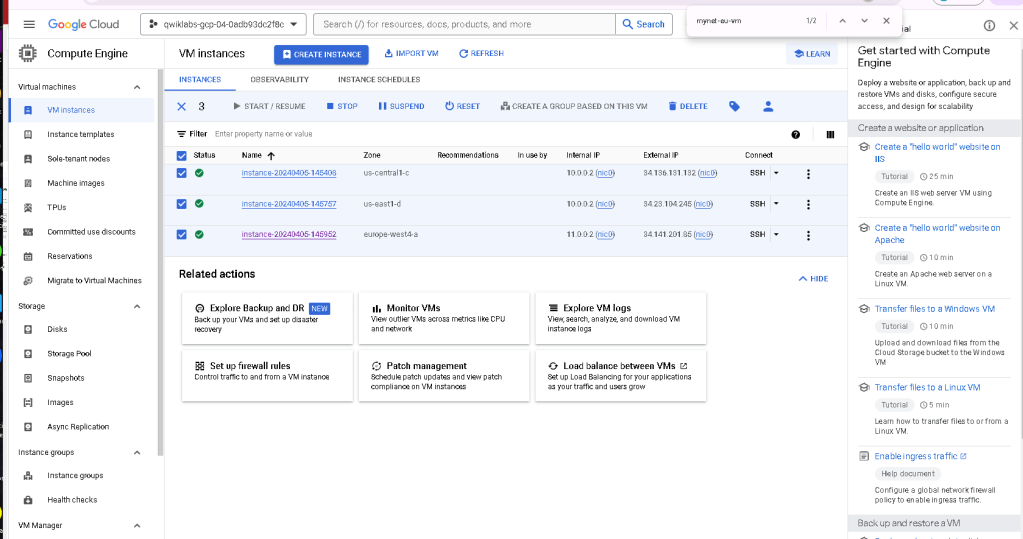
delete needs to be there
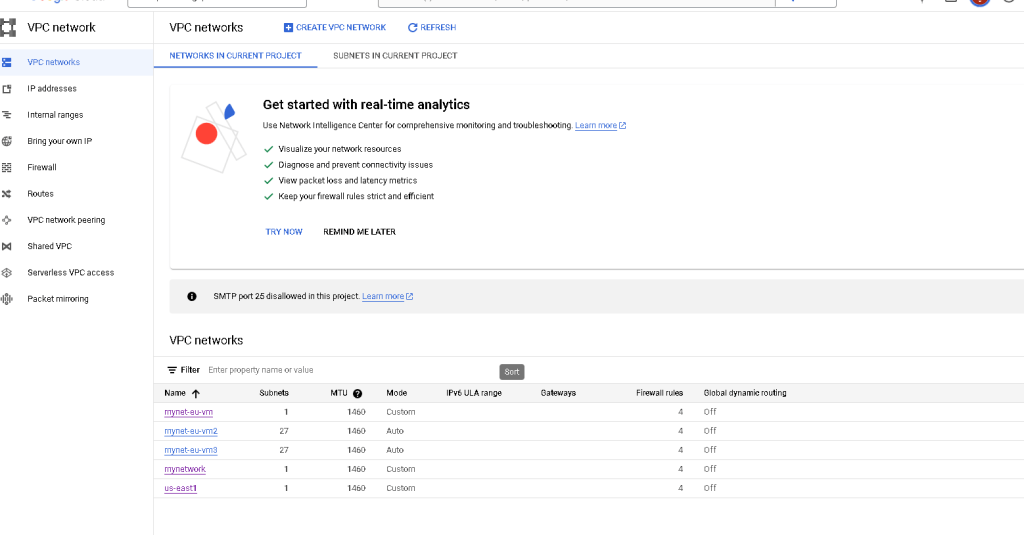
delete inside
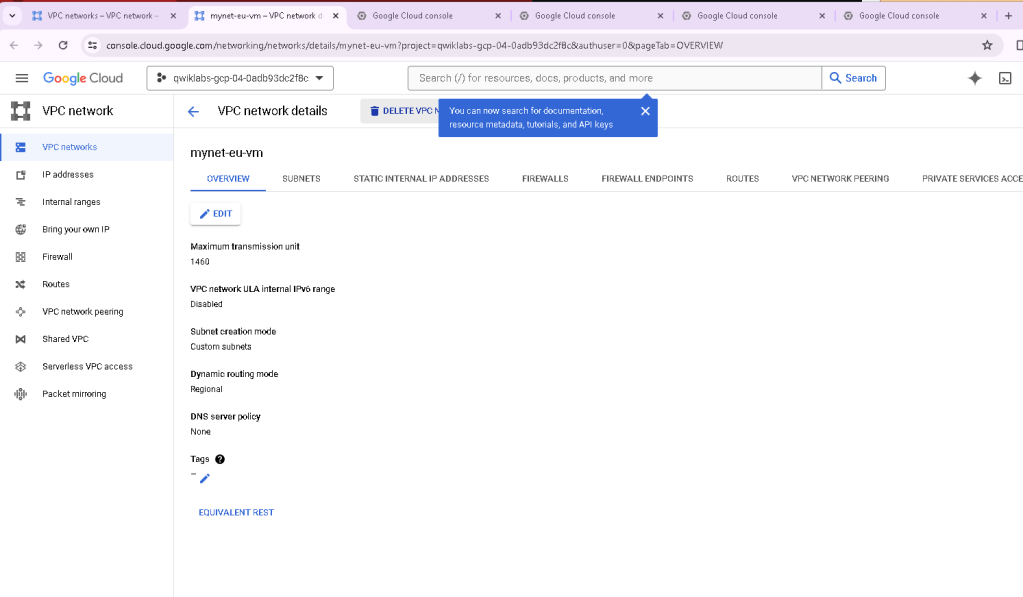
cleaned up
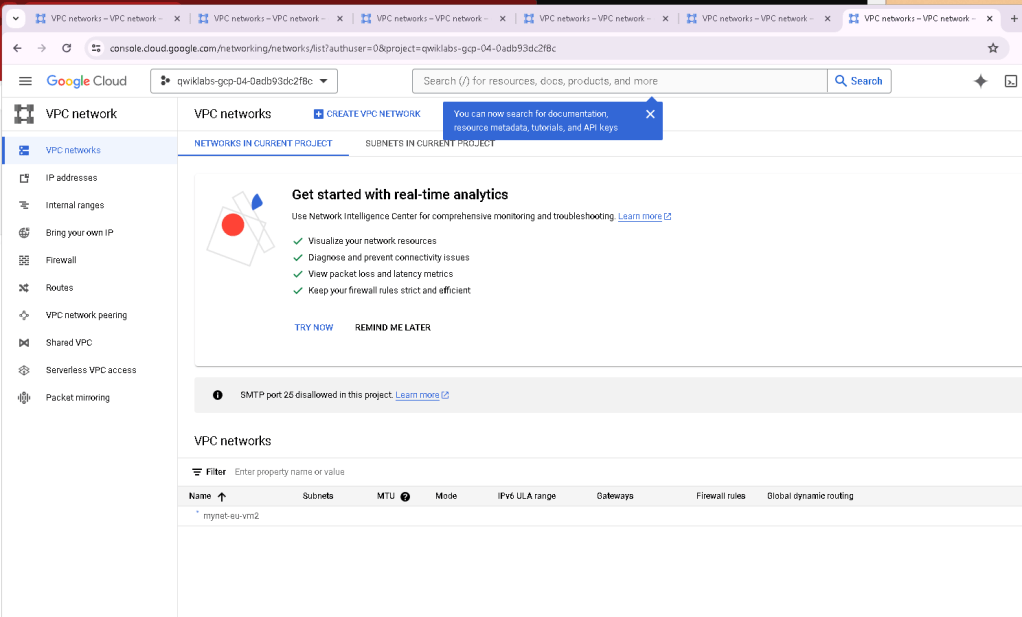
ready framework
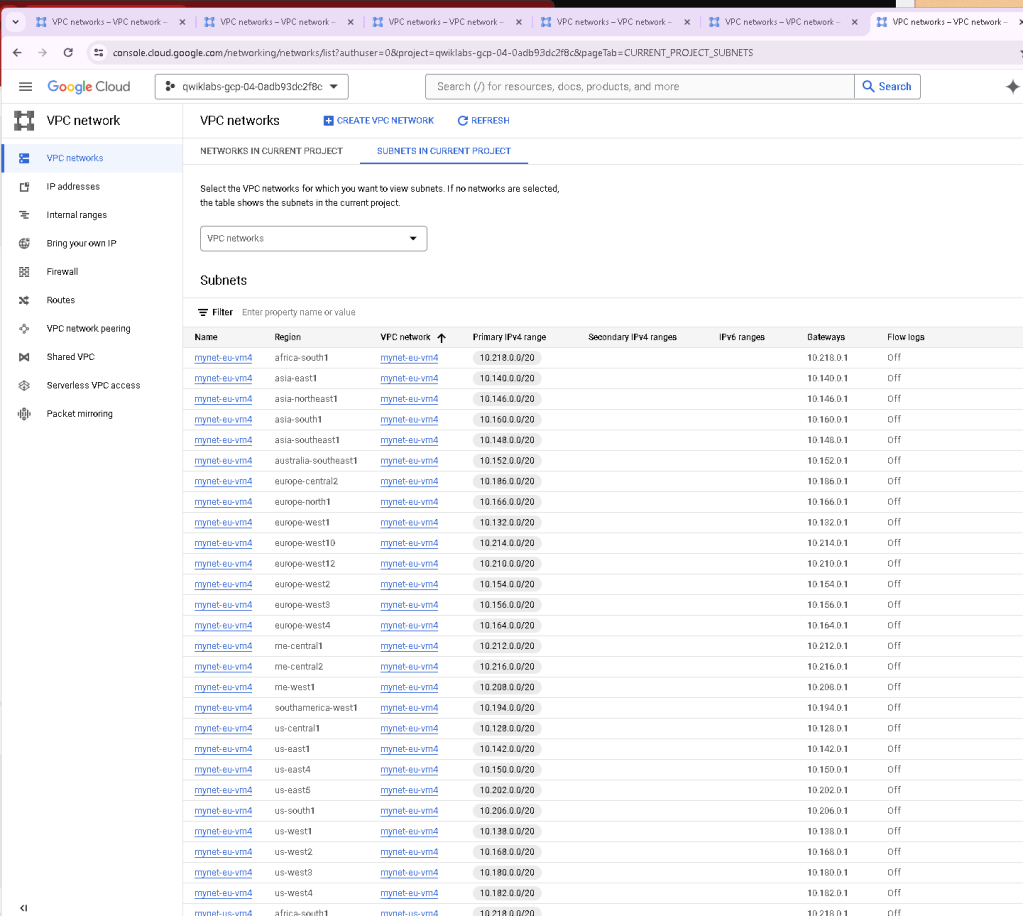
networks
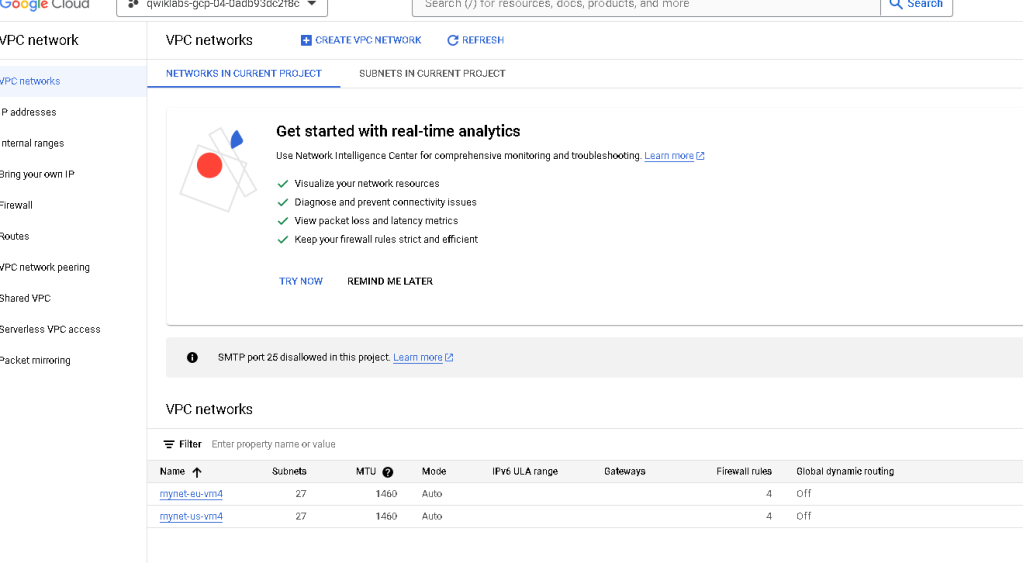
it expects you to follow 1-1 the same flow
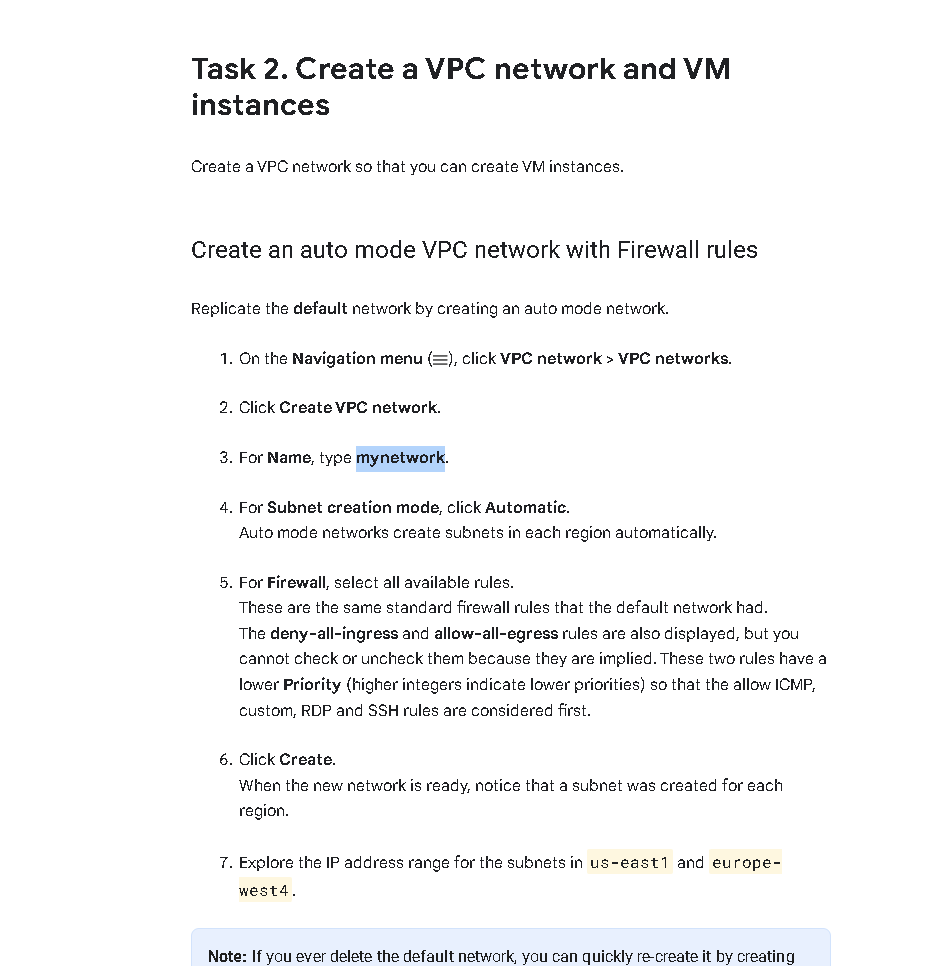
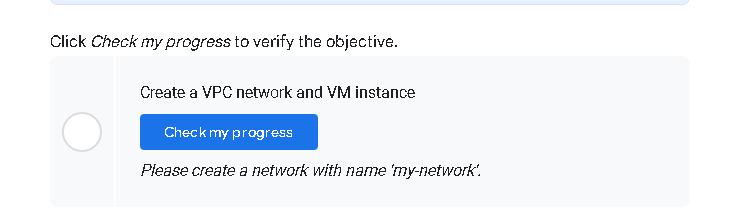
api calls for the training
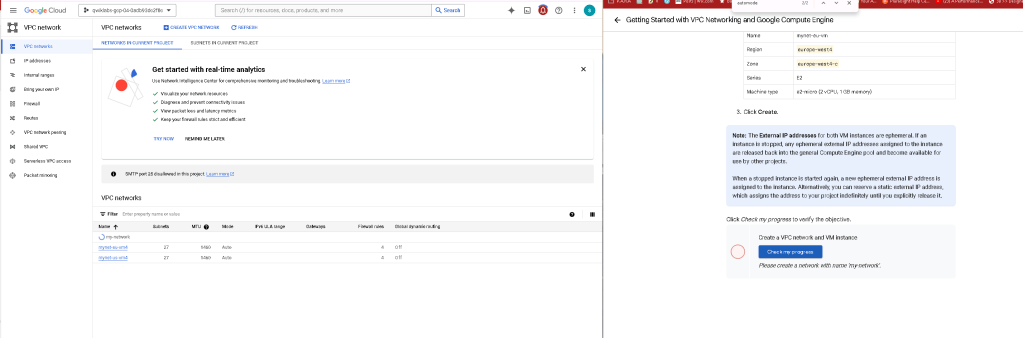
time up
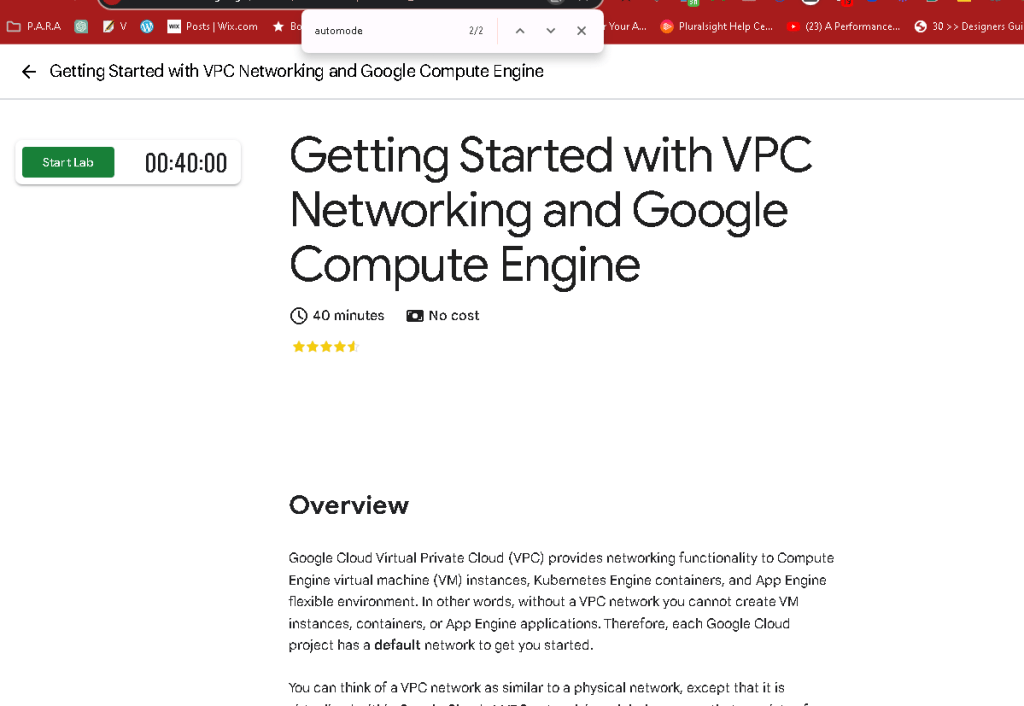
second time less semblance > due to remember
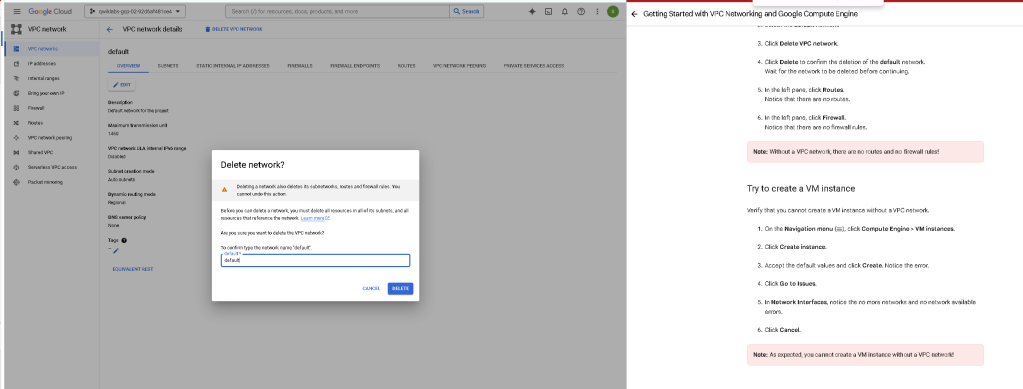
passing in 4 minutes not 40

Where to click
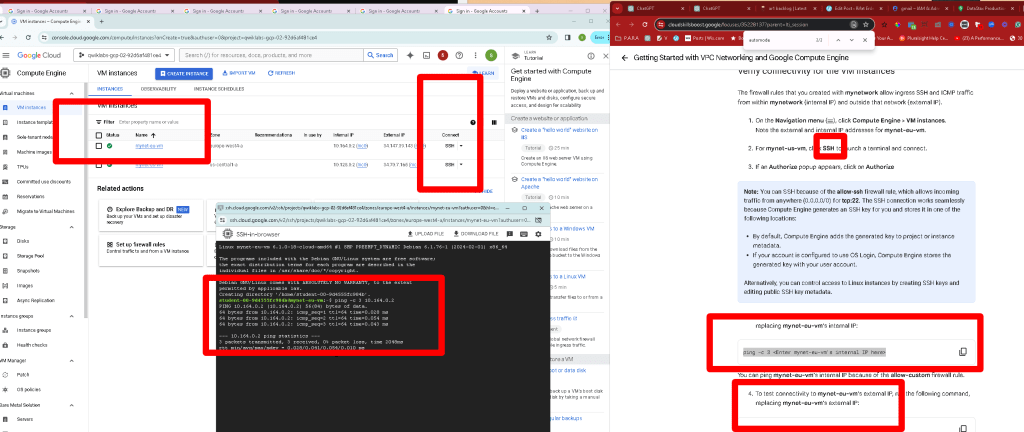
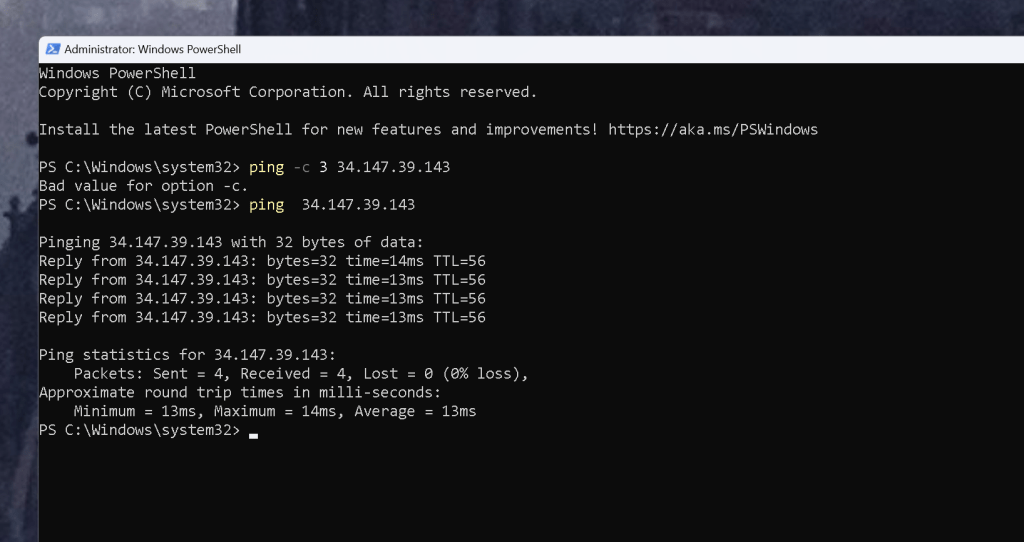
external ping is there so there is an iac in the background
google hired engineers lol
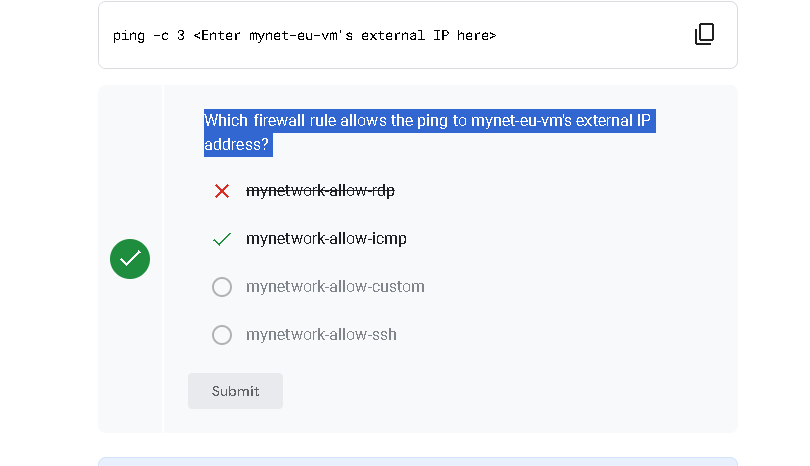
networking question is there to read it
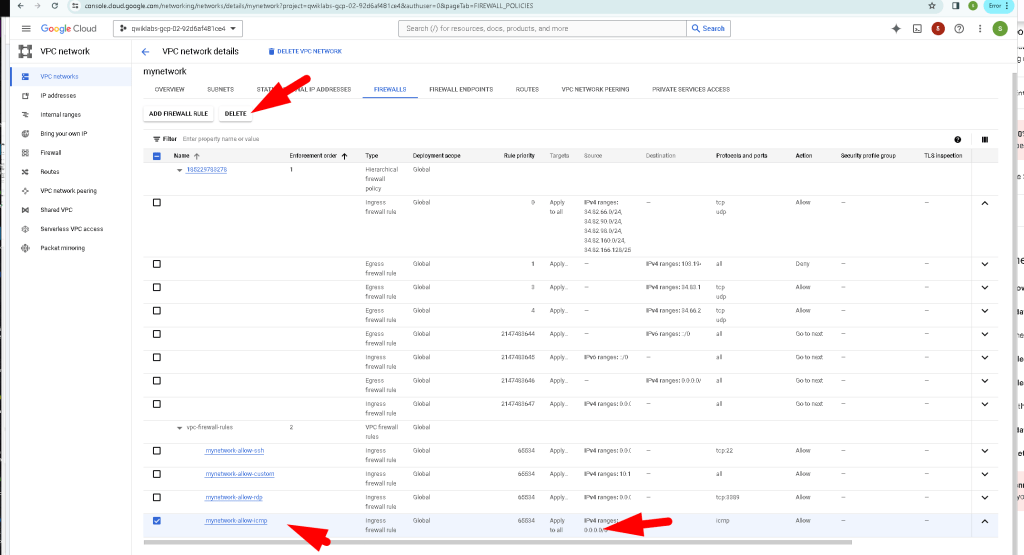
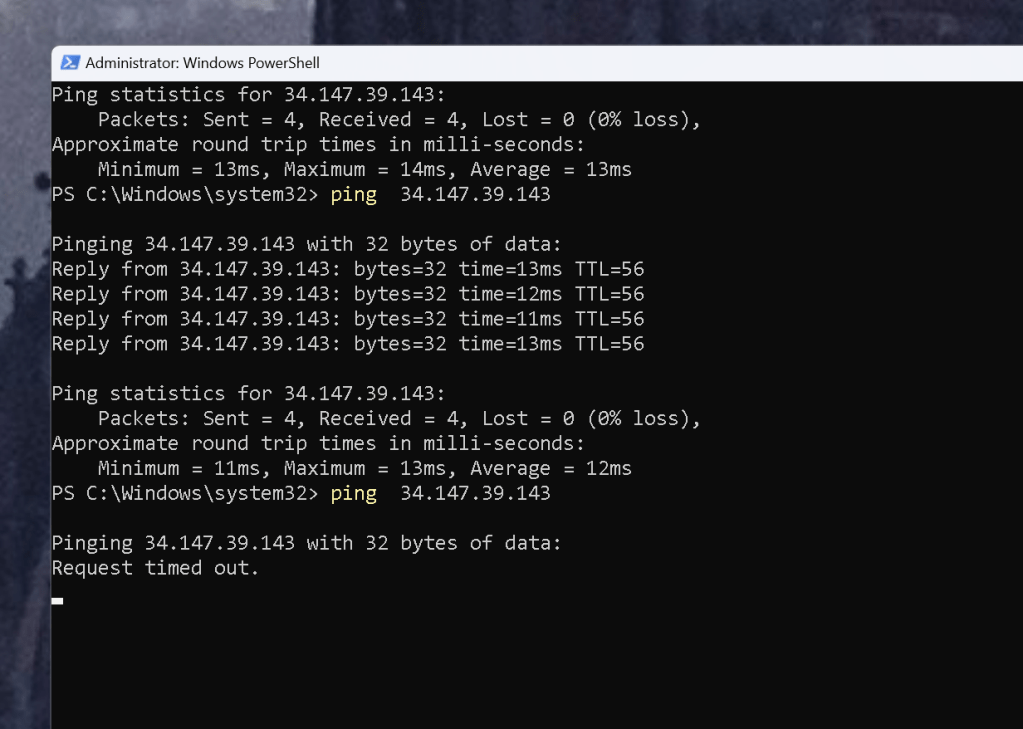
Fill the missing gaps in the sheet
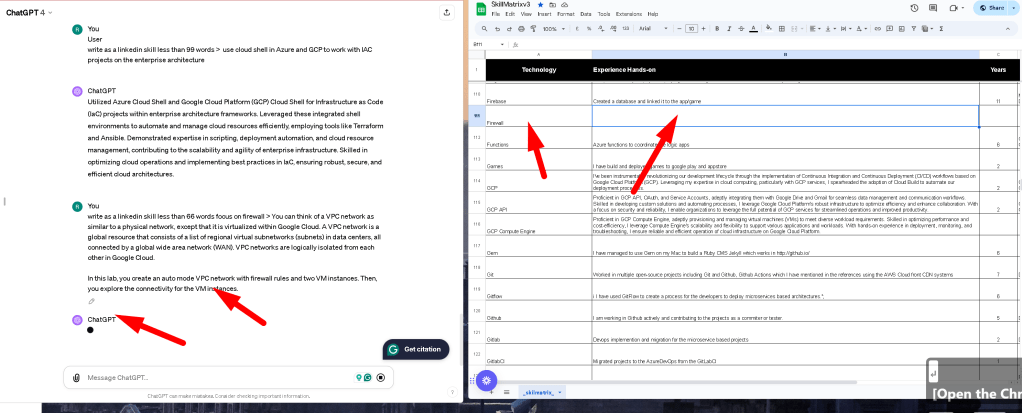
Do marketing all the time
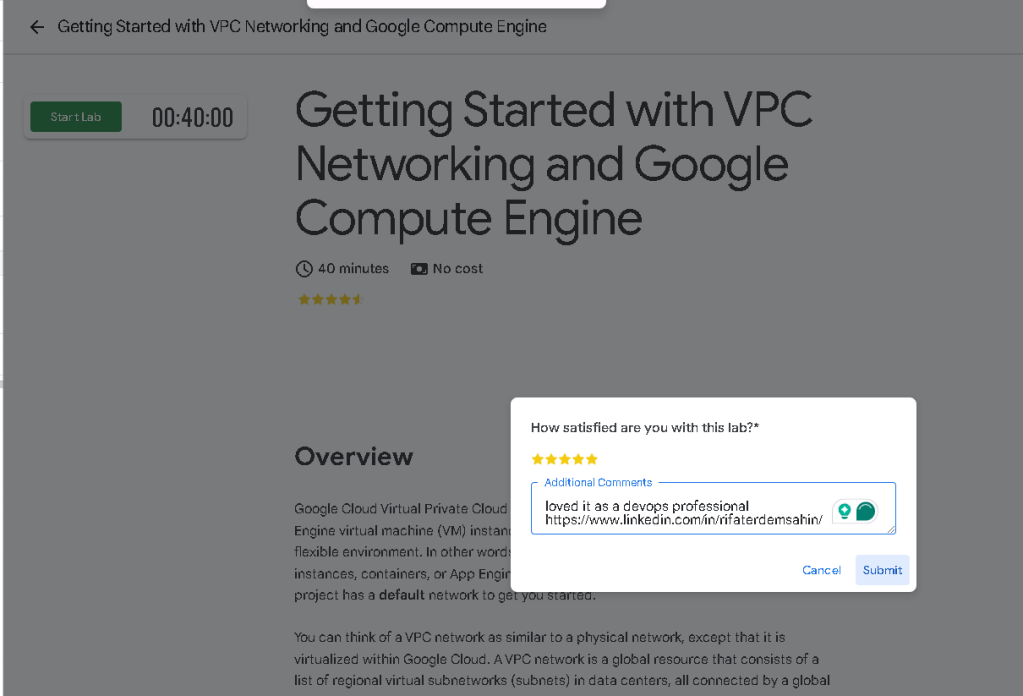
Marketing as part of the role > cost of opening the page...and gaming on linkedin!
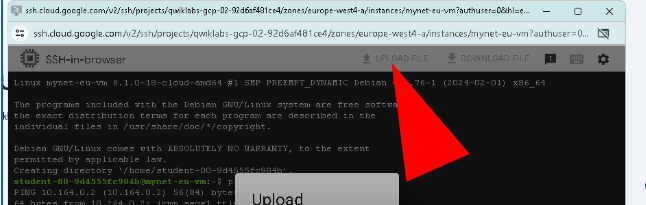
detailed SSH with upload ready
Complete workshops
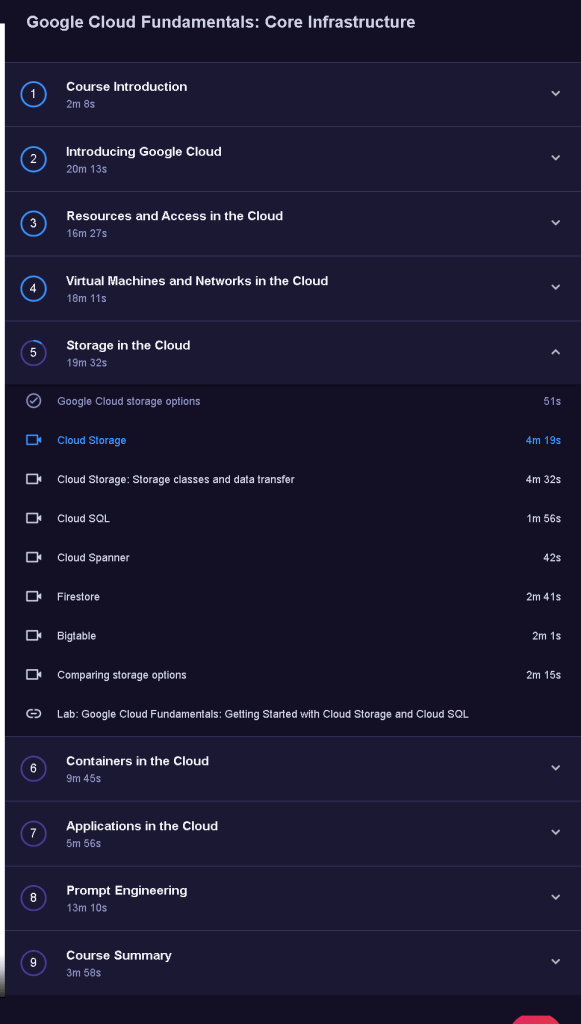
Missing Skill yesterday in the call
Rego policies in the context of Google Cloud Platform (GCP) refer to policies written in Rego, a high-level declarative language used for expressing policies across different systems. Rego is particularly associated with the Open Policy Agent (OPA), an open-source, general-purpose policy engine that enables unified, context-aware policy enforcement across the entire stack.
In GCP, Rego policies can be used to enforce custom security, compliance, and governance rules on various cloud resources and services. This is part of a broader approach to "policy as code," where policies governing infrastructure and operations are defined in code, versioned, and managed just like application code. This approach enhances transparency, repeatability, and scalability in managing and applying policies.
Here's how Rego policies are generally applied in GCP:
Policy Definition
Policies are written in the Rego language, which is designed to be both expressive and readable. These policies define the desired state or behavior of cloud resources and services according to compliance and security standards.
Policy Enforcement
Once defined, these policies can be enforced at various stages of the cloud resource lifecycle, such as at creation, update, or during access evaluations. Enforcement can happen via integration with cloud services that support OPA or through custom tooling that utilizes OPA as an external policy decision point.
Use Cases in GCP
-
Access Control: Defining fine-grained access policies for GCP resources, ensuring that only authorized entities can access or modify resources.
-
Compliance Assurance: Enforcing compliance with internal policies and external regulations by ensuring that resource configurations meet specified requirements.
-
Security Posture Management: Automatically identifying and remedying security risks by enforcing security best practices across GCP resources.
Integrating Rego policies with GCP allows organizations to automate and enforce their unique operational, security, and compliance requirements across their cloud environments. This aligns with the shift towards more dynamic and programmable infrastructure management practices.
Moved in Azure to Policy deprecated Blue Prints
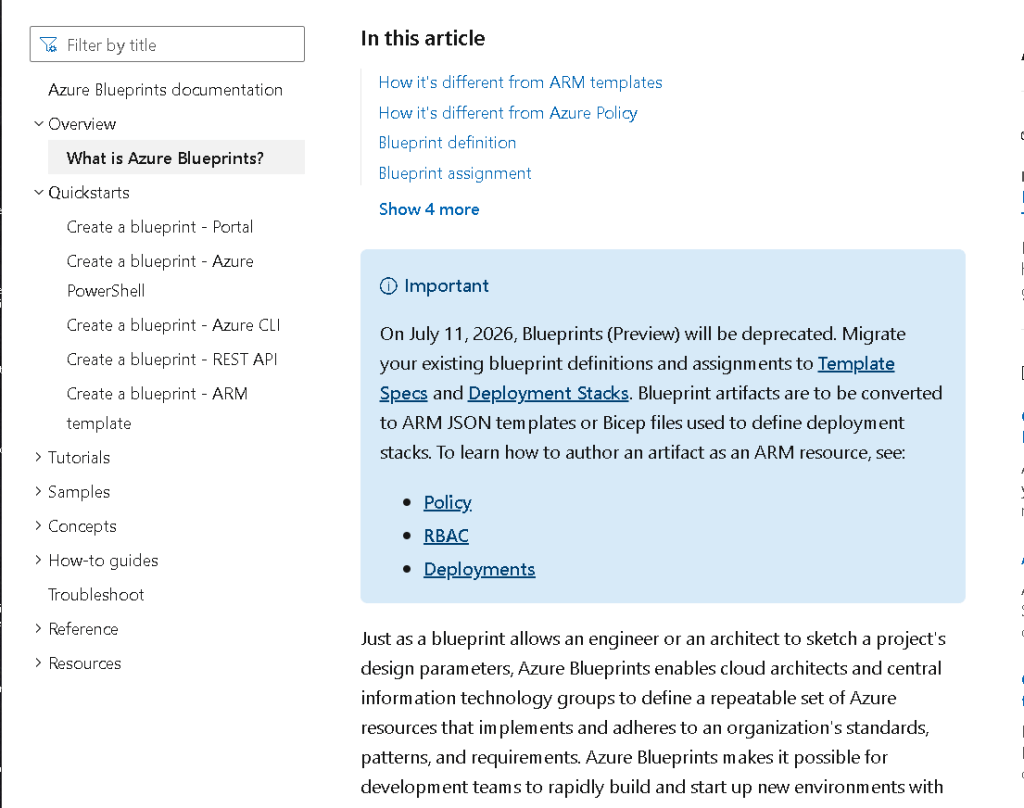
In Azure, the concept similar to using Rego policies for defining and enforcing governance and compliance rules is primarily handled through Azure Policy. Azure Policy is a service that allows you to create, assign, and manage policies that enforce different rules over your Azure resources, ensuring they comply with corporate standards and service level agreements (SLAs).
Key Features of Azure Policy
-
Policy Definitions: These are the rules that your resources need to comply with. They are expressed in a JSON format and can perform various functions, from denying specific resource types to enforcing specific configurations on resources.
-
Policy Assignments: This is the process of applying a policy to a specific scope, which could range from a single resource to a management group that spans your entire organization.
-
Compliance Evaluation: Azure Policy continuously evaluates your resources' compliance with the assigned policies, providing visibility into how well your resources align with your compliance goals.
-
Remediation: For resources found to be non-compliant, Azure Policy can often take corrective actions to bring them into compliance, either automatically or through guided remediation tasks.
Azure Policy vs. Rego Policies
While Azure Policy and Rego policies (used with OPA for example) share the goal of enforcing rules and compliance across cloud resources, they differ in their implementation and flexibility:
-
Language and Syntax: Azure Policy definitions are written in JSON and follow Azure's schema, whereas Rego policies use the Rego language, which is more flexible and can express complex logic in a declarative manner.
-
Enforcement Mechanism: Azure Policy is deeply integrated with Azure's infrastructure, providing native support for compliance assessment and enforcement across all Azure resources. Rego policies, being part of OPA, are platform-agnostic and can be used across different environments, including cloud platforms, Kubernetes, and even custom applications, but require integration work to use with Azure resources.
-
Scope and Use Cases: Azure Policy is specifically designed for managing Azure resources, focusing on cloud governance, compliance, and resource consistency. Rego policies, due to their flexibility and the general-purpose nature of OPA, can cover a broader range of use cases beyond cloud infrastructure, including application-level policy enforcement, data filtering, and authorization logic.
Despite these differences, both Azure Policy and Rego policies serve crucial roles in managing cloud environments, ensuring that resources are compliant, secure, and optimized according to best practices and organizational requirements.
Feels like json versus yaml
Comparing the syntax of Azure Policy and Rego policies involves looking at two very different approaches to defining policies. Azure Policy uses a JSON format with a specific schema designed by Microsoft, while Rego policies use the Rego language, a query language created for the Open Policy Agent (OPA) project. Each has its own unique structure, capabilities, and use cases. Here’s a basic comparison of the two:
Azure Policy Syntax
Azure Policy definitions are written in JSON and follow a structured format that includes several key components:
-
policyRule: This is where the conditions for compliance are defined, along with the effect (likedeny,audit, ormodify) that takes place if the conditions are met. -
parameters: Policies can be parameterized to allow for reuse and customization at the time of assignment. -
displayNameanddescription: These provide human-readable information about what the policy does.
{
"mode": "All",
"policyRule": {
"if": {
"field": "type",
"equals": "Microsoft.Compute/virtualMachines"
},
"then": {
"effect": "deny"
}
},
"parameters": {},
"displayName": "Deny creation of virtual machines",
"description": "This policy denies the creation of virtual machines."
}
Rego Policy Syntax
Rego policies are more flexible and expressive, designed to query structured data and enforce policies across a wide range of systems. A Rego policy might look like this:
-
Rules and queries: Rego uses a collection of rules that define what it means for a document (input data) to be compliant. Queries are used to ask questions about your data.
-
Package declaration: Namespaces for organizing policies.
-
allow,deny, or custom decision-making logic: Rego does not have a fixed set of effects like Azure Policy but allows custom logic to define what should happen.
package azure.vm
default allow = false
deny[msg] {
input.type == "Microsoft.Compute/virtualMachines"
msg = "Creation of virtual machines is denied."
}
Key Differences
-
Syntax and Flexibility: Rego offers a more flexible syntax that's capable of expressing complex logic through its rule-based approach. Azure Policy, being JSON-based, is more structured and limited to the schema defined by Azure.
-
Scope of Use: Azure Policy is specifically tailored for Azure resources, focusing on compliance and governance within Azure environments. Rego, with its broad query capabilities, can be applied across different environments and use cases, including but not limited to cloud resources.
-
Expressiveness: Rego's language allows for more complex and nuanced policies, capable of aggregating data, performing sophisticated checks, and allowing for more complex decision-making processes. Azure Policy is primarily focused on resource properties and straightforward conditionals.
Both languages serve the purpose of policy definition and enforcement in their respective environments, but they cater to different levels of complexity and flexibility needs.
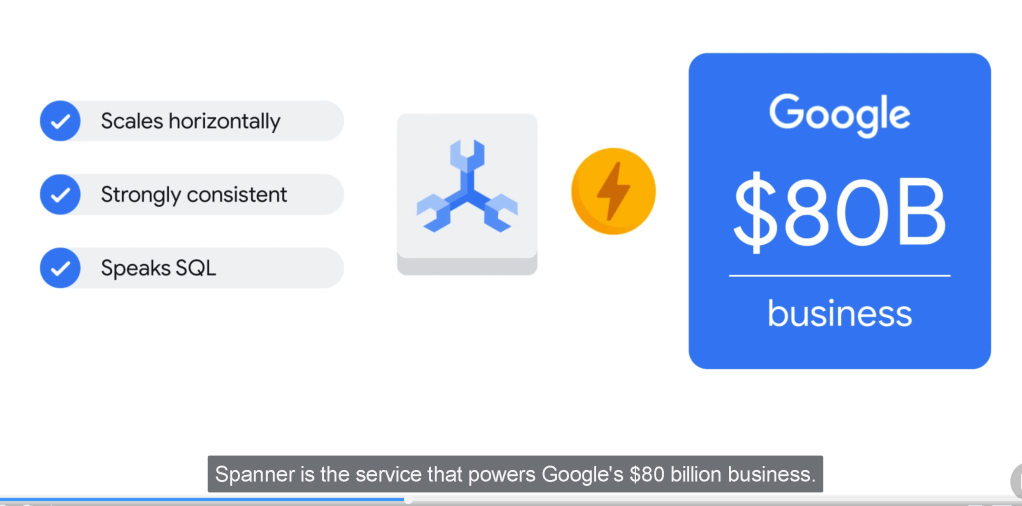
Google also sells the SQL Server
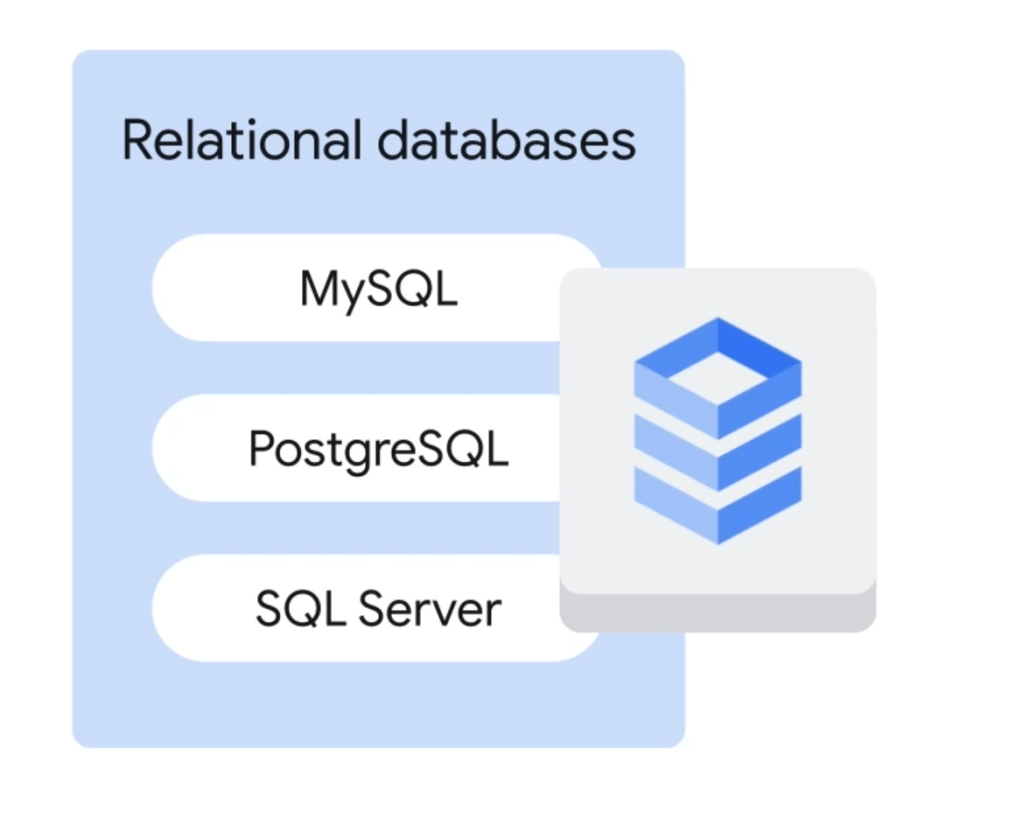
lol workstation with blockers cant be happpening in a training lol

Google promoting it self
Imported from rifaterdemsahin.com · 2024